Psilocybin Legality: A 1990s Cannabis Flashback?
Quick Summary
A recent RAND study shows 23% of Americans support psilocybin legalization, a figure comparable to cannabis support in the mid-1990s before medical legalization began. This shift is driven by new scientific research on therapeutic uses and a growing number of people trying it, especially microdosing. This trend suggests a potential path toward broader legal acceptance, similar to the one cannabis followed.
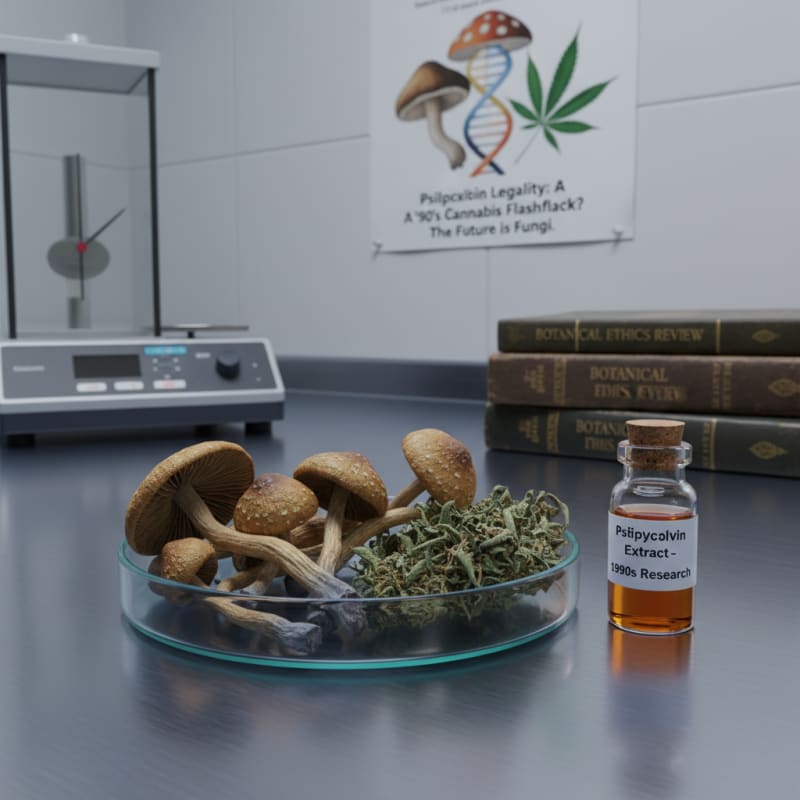
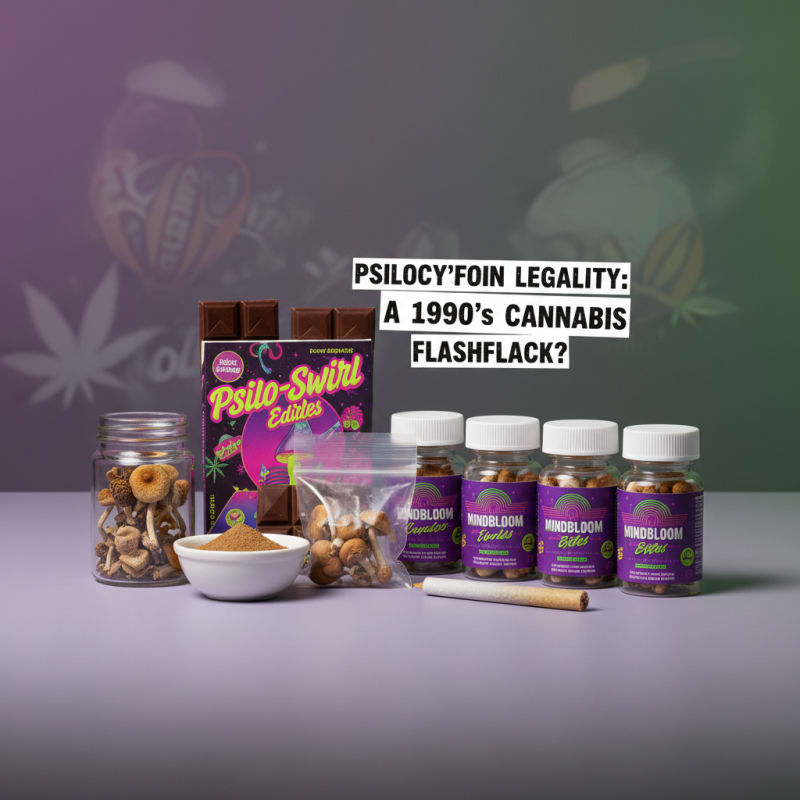
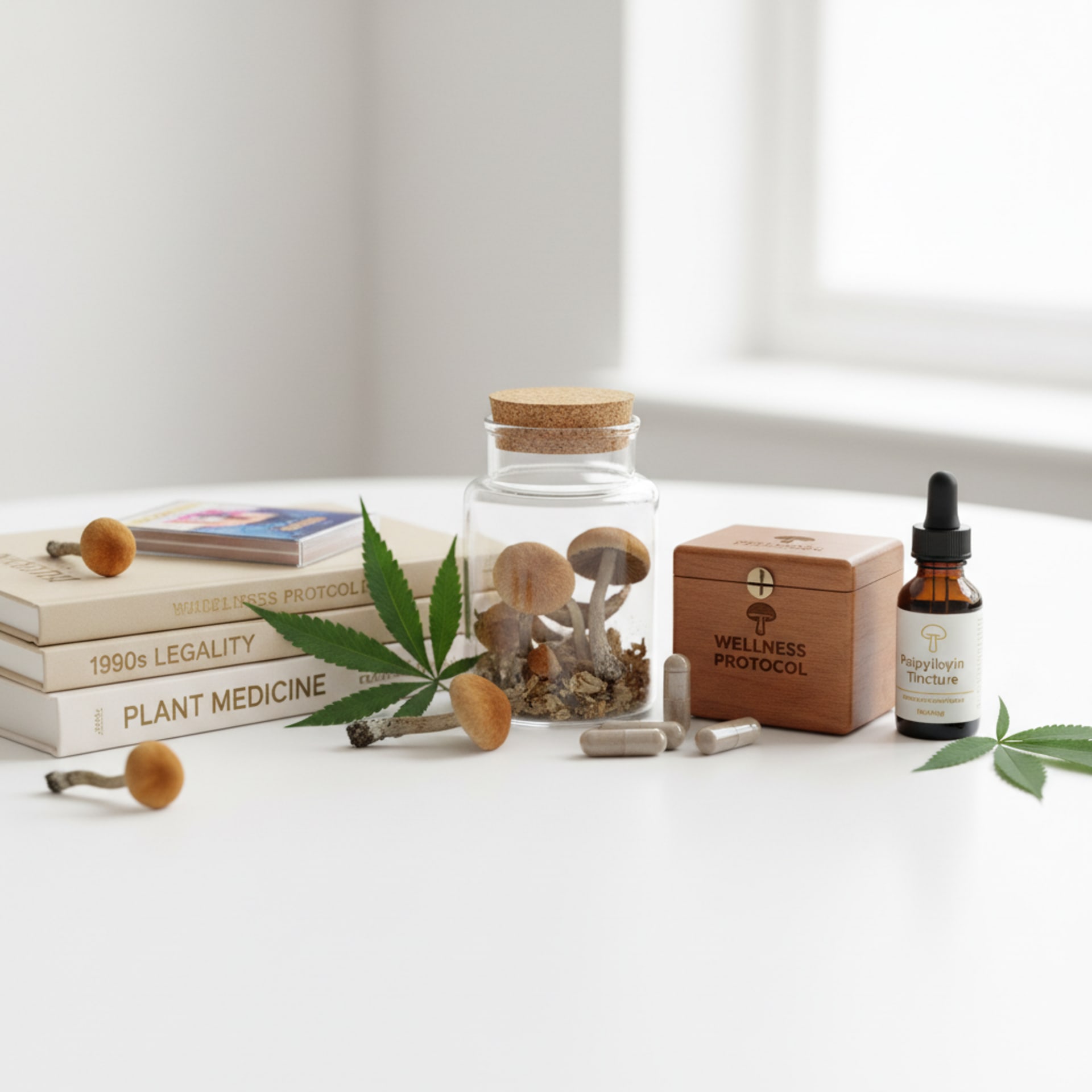
Recent data reveals a fascinating shift in public attitude toward psilocybin, drawing a striking parallel to the cannabis legalization movement of the mid-1990s. A 2025 study from the RAND Corporation highlights that nearly one in four Americans, or 23%, now support the legal use of psilocybin mushrooms. While this is a minority, it represents a significant foothold in public consciousness and mirrors the exact level of support cannabis held just before the first medical use laws were passed in the United States.
This emerging support is not just an abstract opinion; it's coupled with growing use. The same research group reported that approximately 11 million U.S. adults used psilocybin in the past year. This intersection of changing laws, public opinion, and personal use is creating a dynamic and complex landscape for psilocybin in Canada and beyond.
What does public opinion on psilocybin look like today?
Public perception is nuanced. The 23% support for psilocybin stands in contrast to lower figures for other psychedelics like LSD or MDMA, which hover around 10%. This suggests the public views psilocybin mushrooms, a naturally occurring substance, differently from synthetic psychedelic compounds.
Of the 11 million adults who reported using psilocybin, a remarkable two-thirds stated they had tried microdosing. This trend toward low-dose, functional use is a powerful force shaping modern perception. Unlike the counter-culture narratives of the 1960s, a significant portion of today's use is centred on therapeutic and wellness applications, such as the protocols outlined in our practical guide to microdosing. This shift from recreational to intentional use is a key factor in normalizing psilocybin.
Unsurprisingly, personal experience is a major driver of support. The RAND data shows that while 23% of the general population supports legalization, that number jumps to 62% among those who have used psilocybin. This indicates that as more people have direct, responsible experiences with psilocybin, public support is likely to increase further.
How does this compare to the history of cannabis legalization?
The parallel is specific and telling: in the mid-1990s, public support for cannabis legalization was also in the low-to-mid 20s. At the time, that figure seemed modest. However, it was the critical mass needed to catalyze state-level change, starting with California's medical cannabis law in 1996. This set off a chain reaction of policy reform that has led to the widespread legalization we see today.
Psilocybin appears to be on a similar trajectory, with several U.S. states and municipalities decriminalizing possession and exploring regulated therapeutic models. The comparison to cannabis is useful for several reasons:
- It provides a roadmap: The progression from medical access to broader adult-use legalization for cannabis offers a potential blueprint for psilocybin.
- It highlights the timeline: The shift from 25% support to majority support for cannabis took approximately two decades, suggesting that while change for psilocybin is coming, it may be gradual.
- It underscores the importance of regulation: The challenges and successes of the regulated cannabis market provide valuable lessons for creating a safe, consistent, and responsible psilocybin market.
Just as early medical cannabis dispensaries prioritized product safety and testing, the credibility of the emerging psilocybin market depends on reliable, lab-tested products that allow for precise, predictable dosing.
What is driving the shift in public perception?
Several factors are converging to soften public opinion and increase interest in psilocybin. The most significant is the boom in scientific research into its therapeutic potential. High-profile studies from institutions like Johns Hopkins and Imperial College London are investigating psilocybin for conditions that are notoriously difficult to treat, including severe depression. This research, exploring the links between psilocybin and Major Depressive Disorder (MDD), lends clinical legitimacy to the substance.
Simultaneously, the availability of precisely formulated products has transformed the user experience. The days of relying on foraged mushrooms of unknown potency are being replaced by lab-tested edibles and capsules. For individuals seeking consistency, products like our Jedi Mind F*ck Capsules offer a defined amount of psilocybin in each dose, removing the guesswork and risk associated with unverified products. This move toward standardization and predictability is crucial for building trust with new users.
Finally, the conversation is simply more open. Mainstream media outlets, podcasts, and documentaries are exploring the topic with greater nuance, moving beyond old stigmas. This visibility normalizes the conversation and encourages more people to learn about the substance.
How does product format influence this new landscape?
As the market evolves, the diversity of product formats is expanding to meet different needs and preferences. While capsules offer straightforward, flavourless dosing, many people prefer edibles.
Modern mushroom edibles are a world away from homemade "magic brownies." Today's products are manufactured with a focus on quality and consistency. For example, our Wonder - Psilocybin Gummies are created using a process that ensures the psilocybin extract is evenly distributed, so every gummy provides a reliable dose. This level of quality control is essential for the industry's maturation.
The availability of professionally made, accurately dosed products like capsules and edibles is fundamental to the legalization narrative. They demonstrate that a responsible, regulated market is not only possible but is already taking shape. These products provide the consistency necessary for both therapeutic and structured-personal use.
While the path to broader psilocybin legalization remains uncertain, current public opinion data suggests a trajectory similar to the early stages of cannabis reform. The landscape is shaped by ongoing scientific research, evolving public attitudes, and the increasing availability of sophisticated, reliable products. '

ShroomDash Editorial Team
Published 2026-02-24 · 4 min read read · Guides