
Common Microdosing Schedules Explained
Quick Summary
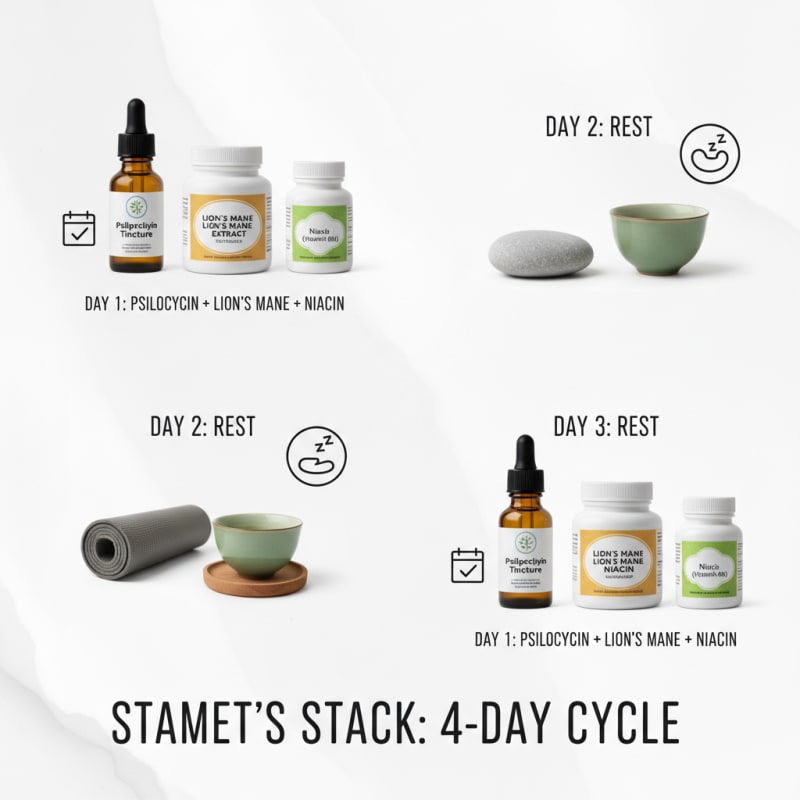
Microdosing involves taking small, sub-perceptual amounts of psilocybin according to a specific schedule to avoid building tolerance. Popular protocols, like the Fadiman Protocol (one day on, two days off) and the Stamets Stack (four days on, three days off with Lion's Mane and Niacin), offer structured approaches for users to track effects on mood and focus.
Microdosing involves ingesting a sub-perceptual dose of a psychedelic substance, most commonly psilocybin. Unlike a macrodose, it is not intended to produce a full psychedelic experience or any overt alteration of consciousness. Instead, users report subtle shifts in mood, creativity, and focus. Recent data suggests millions of adults are engaging in this practice, not for profound mystical experiences, but for personal development and well-being within their daily lives. The practice is distinct from high-dose clinical work being done at research institutions, representing a grassroots movement in psychedelic use.
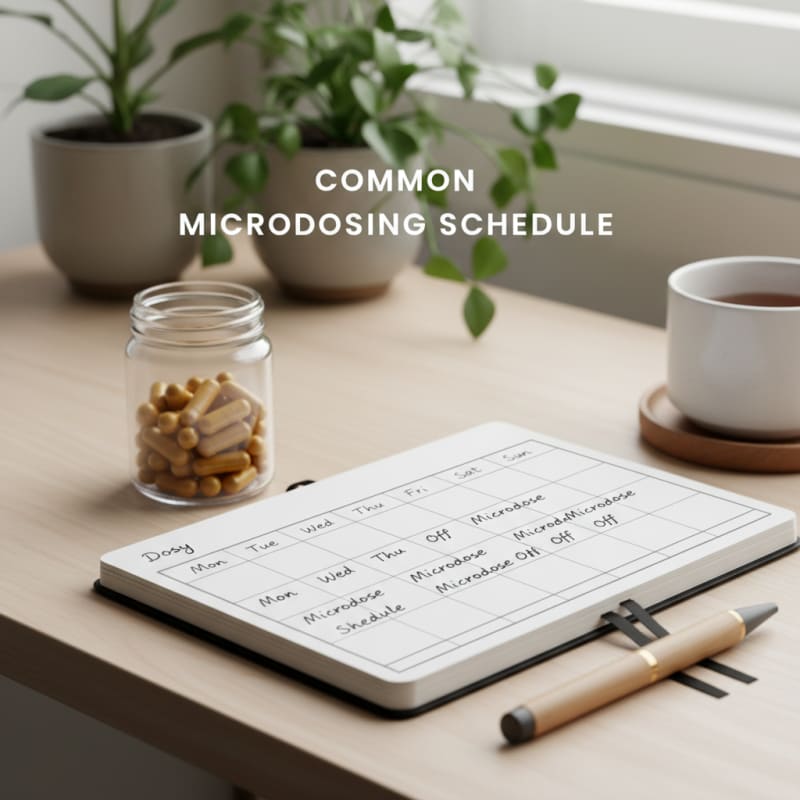
While the concept seems simple—just take a little—the practice often involves a structured approach. Users don’t typically microdose every day. Instead, they follow specific schedules, or protocols, designed to maximize potential positive effects while minimizing the rapid onset of tolerance. Following a schedule allows for consistency, providing a framework to observe how the dose affects cognition and mood over time, while also giving the body’s neurochemistry time to reset.
What Is a Typical Microdose?
A microdose is generally defined as 1/10th to 1/20th of a typical recreational dose. For *Psilocybe cubensis, the most common species, this usually translates to between 50 and 250 milligrams (0.05 to 0.25 grams) of dried mushroom material. The correct amount is highly individual and depends on a range of factors:
- Individual Physiology: Body weight, metabolism, and inherent sensitivity to psilocybin all play a significant role. This is why some people feel mushrooms more strongly than others.
- Mushroom Potency: Different strains of *Psilocybe cubensis have different concentrations of active compounds. Even different mushrooms from the same batch can vary.
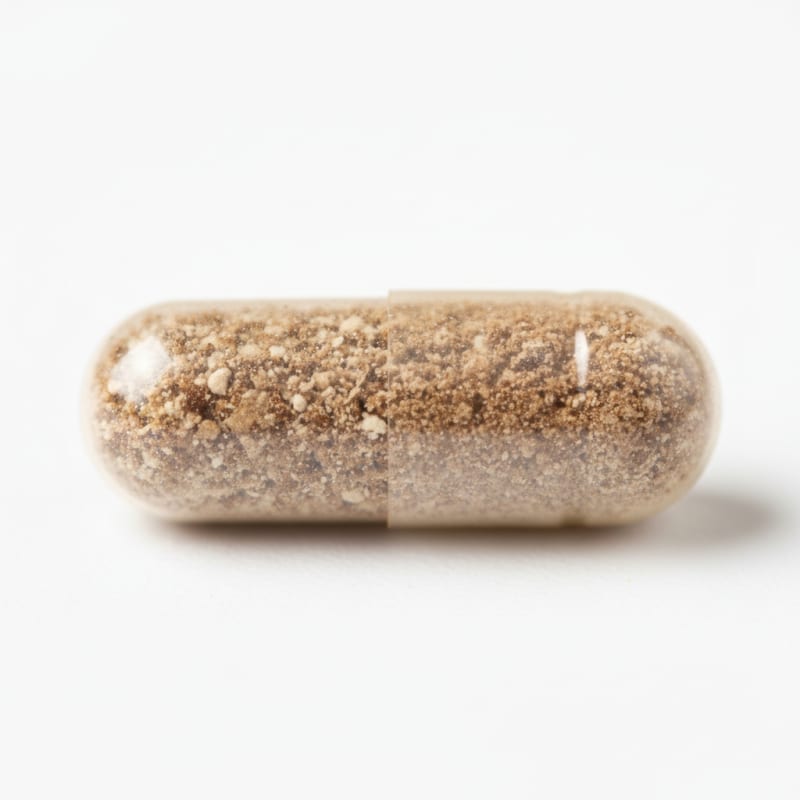
- Product Format: The way psilocybin is consumed affects dosing precision. While raw, dried mushrooms are traditional, they offer little consistency. Products like precisely weighed capsules or homogenized chocolates provide a much more controlled and repeatable dose, which is critical for an effective microdosing regimen. You can learn more about the differences in our post on capsules vs. raw mushrooms.
The goal is to find your sub-perceptual threshold. This is the dose at which you can proceed with your daily activities without any noticeable sensory changes, distracting cognitive effects, or physical impairment. It’s common practice to start at the very low end of the range (e.g., 50mg) and slowly increase the amount on subsequent dose days until the desired subtle effect is achieved.
Why Follow a Microdosing Schedule?
The primary reason for adopting a microdosing schedule is to manage tolerance. The human body builds tolerance to psilocybin very quickly. If you were to take the same dose on consecutive days, you would likely notice a significantly diminished effect by the second or third day. This is because psilocybin primarily acts on the brain's serotonin 5-HT2A receptors. Continuous stimulation causes these receptors to temporarily downregulate, or become less responsive.
A structured protocol with "on" days (when a dose is taken) and "off" days (when no dose is taken) prevents this downregulation. The off days are essential for allowing your serotonin receptors to return to their baseline sensitivity. This ensures that each dose in the cycle produces a consistent effect. Furthermore, the "off" days serve as important integration periods, allowing you to observe your state of being without the direct influence of the substance. Many users find the positive effects on mood and outlook can linger into these off days.
To properly track progress, users often keep a journal. Noting daily mood, focus levels, energy, and social interactions can help build a personal map of how the chosen protocol is working.
What Are the Most Common Microdosing Protocols?
While many variations exist, a few specific schedules have become popular within the community. These provide a clear and easy-to-follow structure, particularly for those new to the practice.
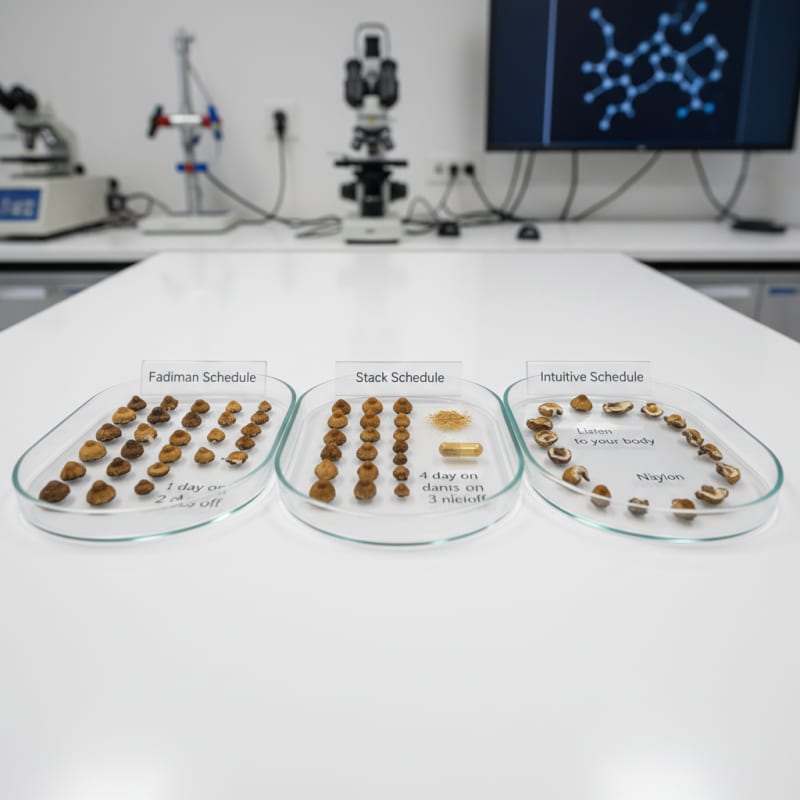
- The Fadiman Protocol
Named after Dr. James Fadiman, a pioneering psychedelic researcher who collected self-reported data from thousands of microdosers, this is arguably the most well-known protocol. It’s simple and conservative, making it a popular starting point.
> The Schedule: One day on, two days off. (e.g., Dose on Monday, take Tuesday and Wednesday off, dose again on Thursday).
> The Rationale: Fadiman's model provides a full two-day reset period between doses, which is more than enough to prevent tolerance buildup. He describes a three-day cycle of experience: Day 1 (Dose Day) is for feeling the primary effects. Day 2 (Afterglow Day) is for observing residual effects and integrating any insights. Day 3 (Normal Day) is a return to baseline, which serves as a control to compare against the other two days.
This cycle is typically continued for four to eight weeks, followed by a longer reset period of two to four weeks to allow for deeper integration and to reassess its effects.
> Product Spotlight: Balance Microdose Capsules > Our Balance capsules contain 100mg of pure *Psilocybe cubensis, offering a simple and precise foundation for a protocol like the Fadiman method. A controlled dose is key to finding your threshold. > Link: [/shop?product=balance-capsules] > linkLabel: View Balance Capsules
- The Stamets Stack
Developed by world-renowned mycologist Paul Stamets, this protocol is more of a formula, combining psilocybin with two other supplements. The stack is based on Stamets' theory of "epigenetic neurogenesis."
> The Schedule: Four or five consecutive days on, followed by two or three days off. (e.g., Dose Monday-Thursday, off Friday-Sunday).
> The Rationale: This protocol is built on a theory of synergy. It combines three ingredients:
> 1. Psilocybin Mushroom: To stimulate 5-HT2A receptors and promote neural plasticity. > 2. Lion's Mane Mushroom (*Hericium erinaceus): A non-psychoactive medicinal mushroom studied for its ability to stimulate Nerve Growth Factor (NGF). > 3. Niacin (Vitamin B3): Stamets theorizes that Niacin acts as a flushing agent, causing peripheral vasodilation that may help carry the other molecules to the ends of the nervous system.
The combination is intended to create new neural pathways and repair existing ones. Many users who follow this protocol choose products that conveniently combine all three ingredients. Explore our full range of mushroom capsules to find a format that suits your needs.
> Product Spotlight: Focus - Stamets Stack Capsules > Inspired by the Stamets protocol, our Focus capsules combine 100mg of *Psilocybe cubensis with potent Lion's Mane extract and Niacin. This formula is designed for users interested in a structured, multi-ingredient routine. > Link: [/shop?product=focus-capsules] > linkLabel: View Focus Capsules
- Intuitive Dosing
Rather than adhering to a rigid schedule, some experienced users choose to dose intuitively. This means taking a microdose on days when they feel they need a cognitive or emotional boost, and abstaining on other days. This approach requires a deep understanding of one's own body and mental state and is generally not recommended for beginners. Even with an intuitive approach, it remains critical to incorporate frequent "off" days to avoid building tolerance.
The choice of a microdosing schedule is highly personal and depends on individual goals, lifestyle, and response to psilocybin.

ShroomDash Editorial Team
Published 2026-03-30 · 5 min read read · Dosing