Psilocybin: Clinical Research vs. Real-World Use
Quick Summary
Psilocybin research is split into two worlds. Formal clinical trials focus on high, guided doses for specific illnesses, while real-world use is dominated by unsupervised microdosing for general wellness. This article explores why this gap exists, from the challenges of study design to the goals of researchers versus individuals.
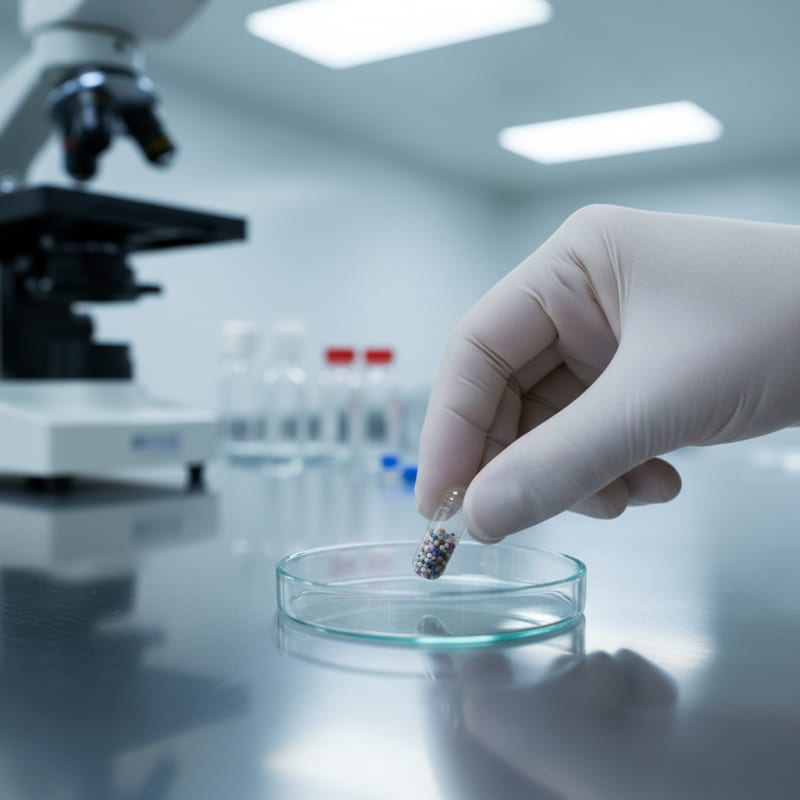
An unprecedented wave of interest in psilocybin is unfolding. On one side, institutions like the Johns Hopkins Center for Psychedelic and Consciousness Research are conducting groundbreaking clinical trials, backed by tens of millions in funding. On the other, a recent RAND study revealed that millions of adults are regularly using psilocybin on their own, with microdosing emerging as a dominant trend. Of the adults who used psilocybin in the past year, roughly two-thirds reported microdosing.
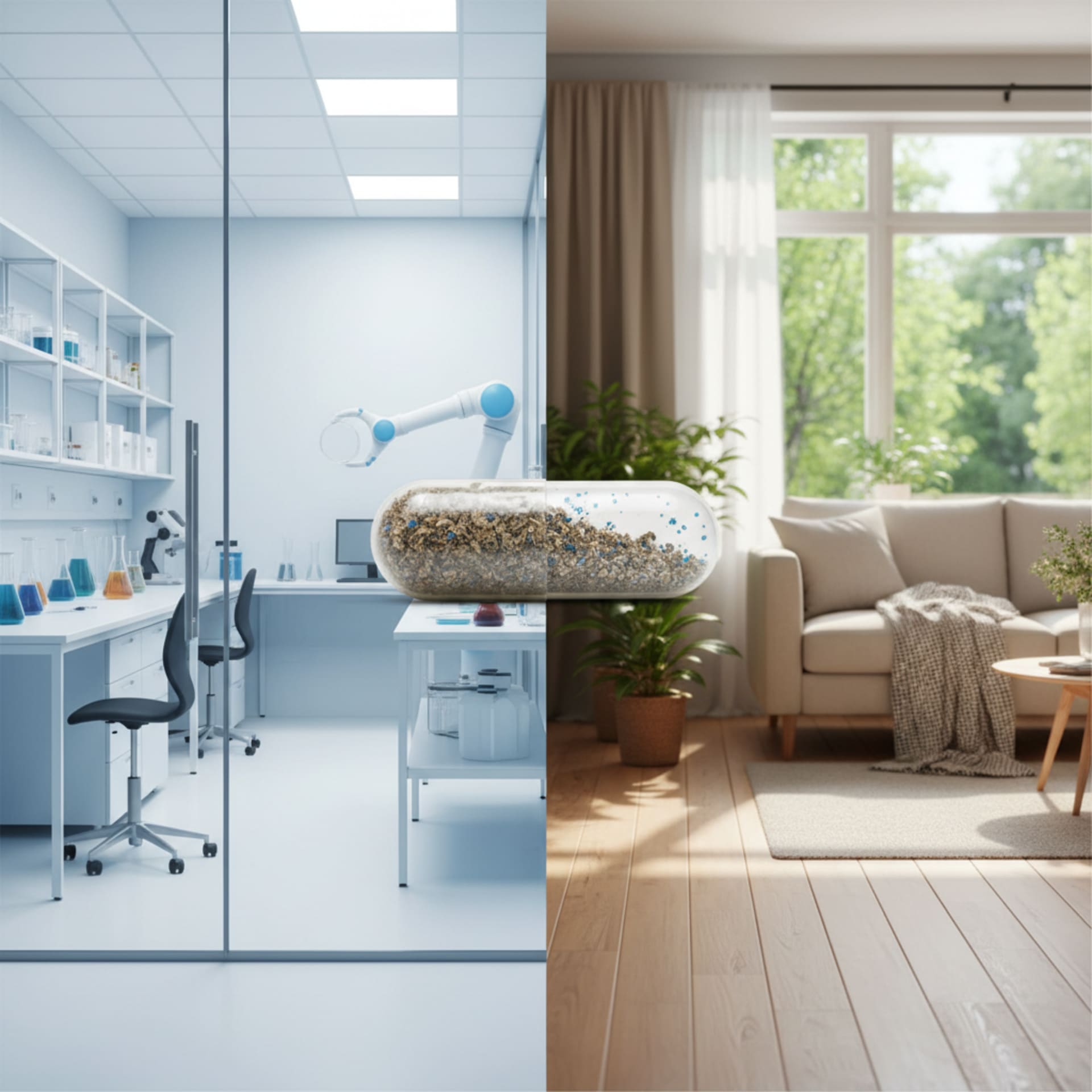
This creates a significant disconnect. The most visible, well-funded research is focused on high-dose, therapeutically guided sessions for specific, severe conditions. Yet the most common form of consumption in the general public involves low, sub-perceptual doses taken without clinical supervision for goals like enhancing well-being and productivity. This division isn't accidental; it stems from the fundamental differences in the goals, methods, and constraints of formal science versus individual exploration.
What Does Clinical Psilocybin Research Actually Study?
When you hear about major breakthroughs in psychedelic science, the work almost always involves a specific, highly structured model. Research centers are primarily investigating the therapeutic potential of a single, large dose of psilocybin administered in a controlled clinical setting. The objective is to treat severe, often treatment-resistant conditions.
This model typically involves:
- High Doses: Participants receive a dose of psilocybin sufficient to induce a powerful psychoactive experience, often lasting 4-6 hours.
- Screened Participants: Candidates are carefully screened for pre-existing conditions that could make a psychedelic experience unsafe, such as a personal or family history of psychosis.
- Guided Sessions: The experience is overseen by trained therapists or guides who provide support before, during, and after the session. This therapeutic container is considered a critical part of the treatment.
- Specific Endpoints: The success of the trial is measured against clear, predefined outcomes, such as a statistically significant reduction in symptoms for a specific diagnosis. A prominent example is the ongoing research into psilocybin for Major Depressive Disorder (MDD).
This high-dose, guided approach is favored by researchers because it is designed to produce a profound, measurable effect. Many theories of psilocybin-assisted therapy posit that the "mystical" or "peak" experience itself is a key mechanism for therapeutic change, and this is most reliably achieved with a macrodose.
How Does This Differ From Real-World Use?
The picture of psilocybin use that emerges from population surveys is vastly different. The RAND study found that of the more than 200 million days of psilocybin use reported in a year, nearly half involved microdosing. This is the definition of "real-world" use: a widespread, self-directed practice far removed from the lab.
Real-world use is characterized by:
- Low Doses: The entire principle of microdosing is to use a sub-perceptual dose—typically 50mg to 150mg of dried mushroom—that does not produce an altered state of consciousness but is believed to yield subtle benefits over time.
- Self-Administration: Individuals, not clinicians, determine their own protocols. This includes the dose size, frequency, and duration, often following popular schedules detailed in resources like our complete microdosing schedule guide.
- General Wellness Goals: Users are typically not trying to resolve a severe clinical diagnosis in a single session. Instead, they are often seeking sustained improvements in mood, creativity, focus, or social connection.
- Lack of Supervision: This is an unsupervised practice. For many, products like our Core Microdose Capsules, which provide a precisely measured 100mg dose of *Psilocybe cubensis, are tools for creating the consistency that formal studies lack.
This type of use is far more akin to taking a daily supplement than undergoing a major medical procedure, which highlights the core of the disconnect.
Why Is There a Gap Between Research and Reality?
The scientific establishment isn’t ignoring microdosing out of spite; it is a direct consequence of the tools and systems that govern formal research. Several key factors contribute to the focus on macrodosing.
First, methodology and blinding are difficult. The gold standard for clinical trials is the double-blind, placebo-controlled study. This is challenging for microdosing. The effects are subtle, and it's hard to create a placebo that is indistinguishable from a dose that is, by definition, barely perceptible. Many users report being able to "feel" even a small dose, which can un-blind them and compromise the study's data.
Second, funding and regulatory pathways are clearer for high-dose therapy. It is easier to secure funding for research that targets a specific, recognized disease with a clear, event-based treatment. The FDA and other global health bodies have an established pathway for approving a "drug" combined with "therapy." There is no such clear path for approving a take-home, self-administered wellness supplement, which is how microdosing is often framed. It simply doesn't fit the existing pharmaceutical model.
Third, tracking long-term, subtle changes is complex. A clinical trial for depression can measure changes on a standardized depression scale before and after a single event. Studying microdosing requires tracking small, subjective changes across dozens or hundreds of days, with countless confounding variables from a person's daily life. While users often turn to precisely measured edibles, available in our general /shop, to control at least one of those variables, it remains a difficult subject for rigid study.
The initial wave of modern research, pioneered by figures like Roland Griffiths, was built on the profound and transformative power of the high-dose experience. This has created a powerful institutional bias toward that model, as it has proven both effective and, importantly, something that can be rigorously studied.
This isn't to say one approach is "right" and the other is "wrong." Clinical research provides the an essential foundation of safety and efficacy for treating serious illness, while widespread, real-world use demonstrates a powerful demand for accessible tools for general well-being. As the landscape continues to evolve, the challenge for the scientific community will be to create new methods that can bridge this gap and study these practices as they actually exist.

ShroomDash Editorial Team
Published 2026-02-27 · 4 min read read · Lab Science