Psilocybin and the Gut-Brain Axis
Quick Summary
Psilocybin, the compound in magic mushrooms, may affect more than just the brain. Research suggests it interacts with the "gut-brain axis," a communication pathway between your mind and your digestive system, potentially influencing both mental health and gut-related conditions like IBS. This interaction is linked to psilocybin's effect on serotonin receptors, which are abundant in both the brain and the gut.
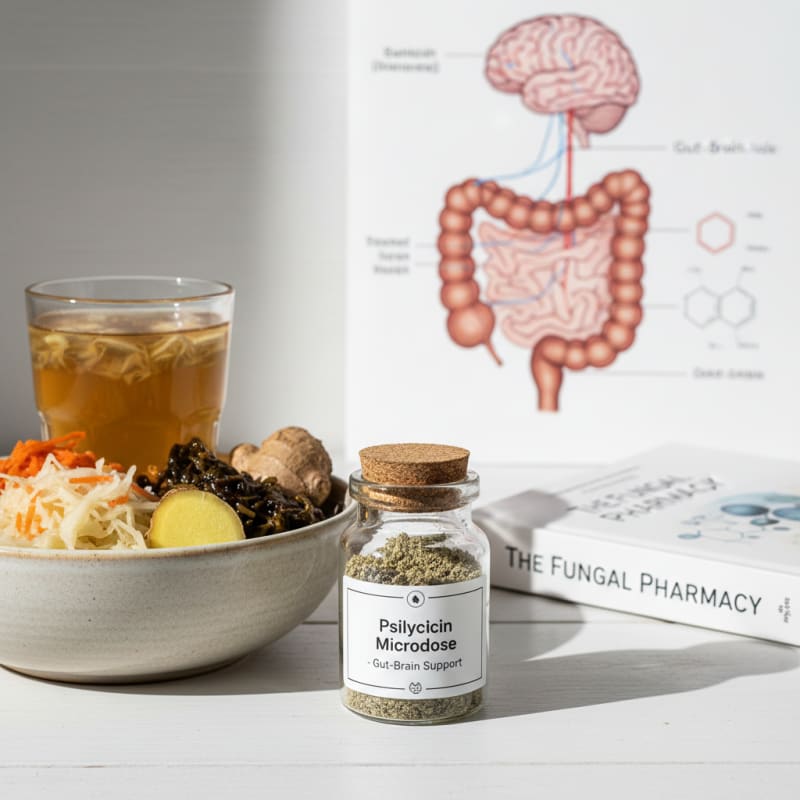
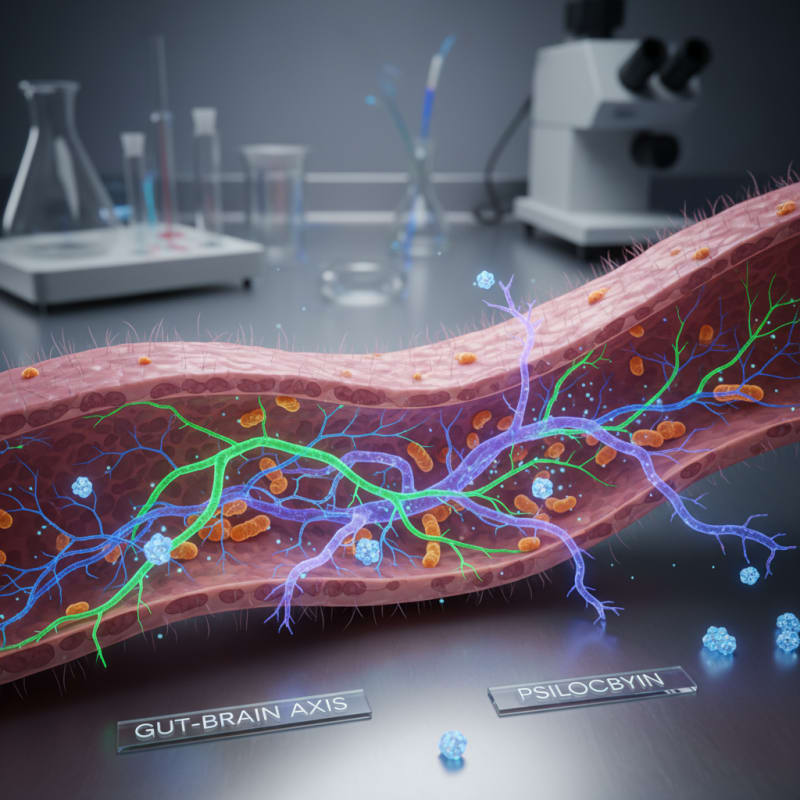
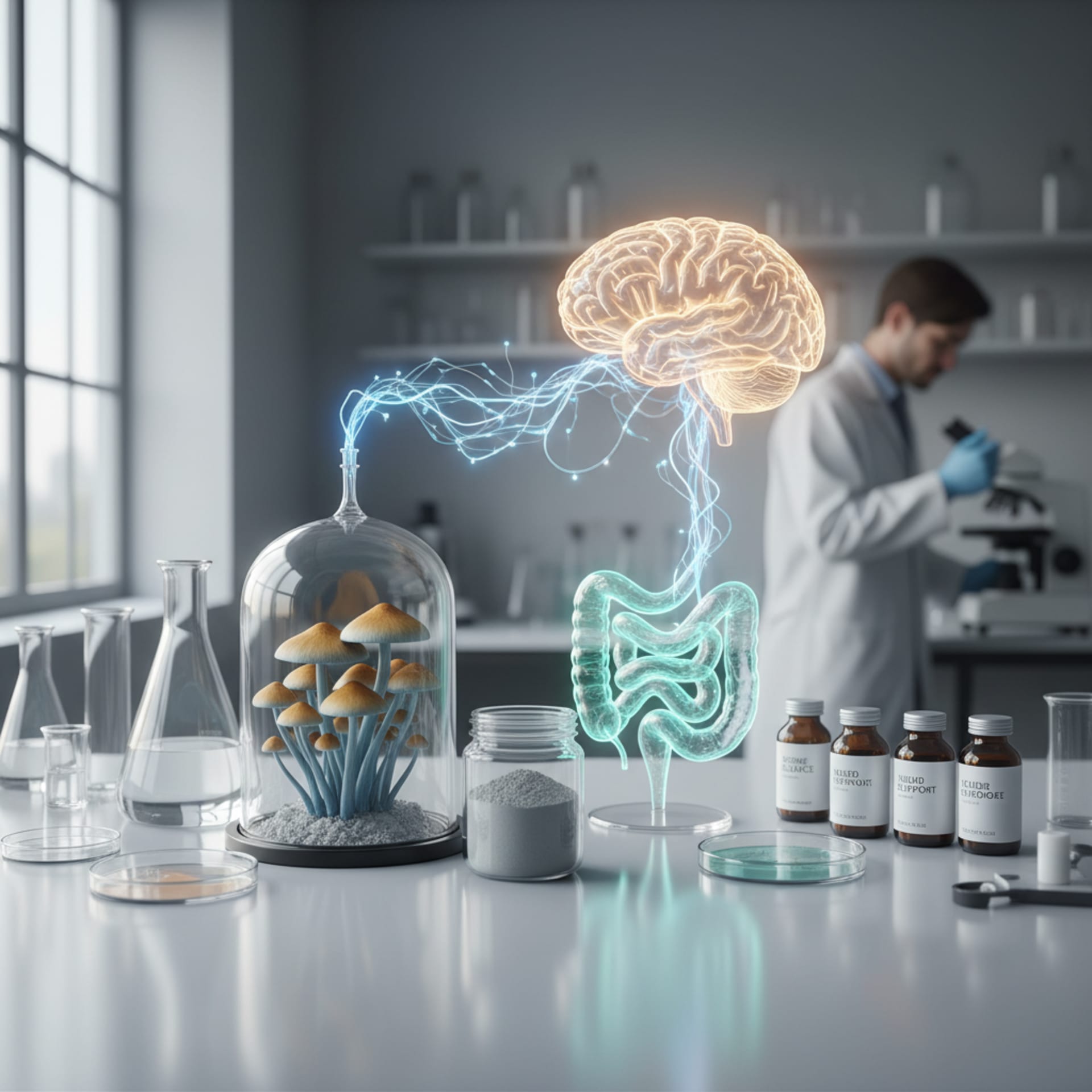
The connection between our gut and our brain is a foundational concept in human biology. This intricate communication network, known as the gut-brain axis, influences everything from our mood to our digestion. Emerging research is now exploring a fascinating new dimension of this relationship: the role of psilocybin. Scientists are investigating how this psychedelic compound interacts with the gut-brain axis, potentially offering a neurological and physiological explanation for its wide-ranging effects on both mental and physical well-being. This exploration moves beyond the brain, suggesting that psilocybin’s impact may be a whole-body phenomenon rooted in the complex interplay between our central nervous system and our digestive tract.
What Is the Gut-Brain Axis?
The gut-brain axis is the two-way biochemical signaling network that links the central nervous system (CNS), which comprises the brain and spinal cord, with the enteric nervous system (ENS). The ENS is often called the "second brain" because it’s a complex network of over 100 million neurons lining our gastrointestinal tract. This system can operate independently to control digestion, but it is also in constant communication with the brain.
This dialogue happens through several pathways:
- Neurotransmitters: The gut produces a vast array of neurotransmitters, chemicals responsible for communication between neurons. Famously, about 95% of the body’s serotonin, a key regulator of mood, sleep, and appetite, is produced in the gut. Psilocybin’s primary psychoactive effects are driven by its interaction with serotonin receptors.
- The Vagus Nerve: This is the primary physical information highway connecting the gut and the brain, transmitting signals in both directions.
- The Immune System: Gut microbes play a crucial role in training and regulating the immune system. Immune cells can produce cytokines that cross the blood-brain barrier, influencing brain function and mood.
- Microbial Metabolites: The bacteria in our gut, collectively known as the gut microbiota, digest food and produce various metabolites. These compounds, such as short-chain fatty acids (SCFAs), can enter the bloodstream and travel to the brain, influencing its function.
Disruptions in this complex communication system are linked to a host of issues, including irritable bowel syndrome (IBS), anxiety, and depression. This explains why high levels of stress can lead to digestive upset, and why chronic gut problems are often associated with mood disorders.
How Does Psilocybin Interact with This System?
Psilocybin’s interaction with the body is primarily mediated by its active metabolite, psilocin. Psilocin has a similar molecular structure to serotonin, allowing it to bind to and activate serotonin receptors. While its psychoactive effects are attributed to the activation of 5-HT2A receptors in the brain, these same receptors are also found throughout the gut.
When psilocybin is consumed, it engages with the gut-brain axis on multiple levels. In the brain, as research from Washington University has shown, this activation temporarily disrupts brain networks like the Default Mode Network (DMN), which is involved in self-referential thought and rumination. This neurological "scrambling" is what produces the psychedelic experience and is thought to be a key mechanism behind its therapeutic potential, allowing for a "reset" of rigid, negative thinking patterns. For a deeper dive into its chemical action, you can read our post on the difference between psilocybin and psilocin explained.
Simultaneously, psilocin binds to the 5-HT receptors in the digestive tract. This can directly influence gut motility (the movement of the digestive system) and sensation. This interaction is believed to be responsible for some of the physical sensations experienced during a psilocybin journey, sometimes referred to as the "body load," which can include nausea or a feeling of unease in the stomach for some users. It also provides a direct biological pathway through which the compound can affect gut function. The emerging concept of the "psilocybiome" suggests that psychedelics might even influence the composition and health of the gut microbiota itself, which in turn communicates with the brain.
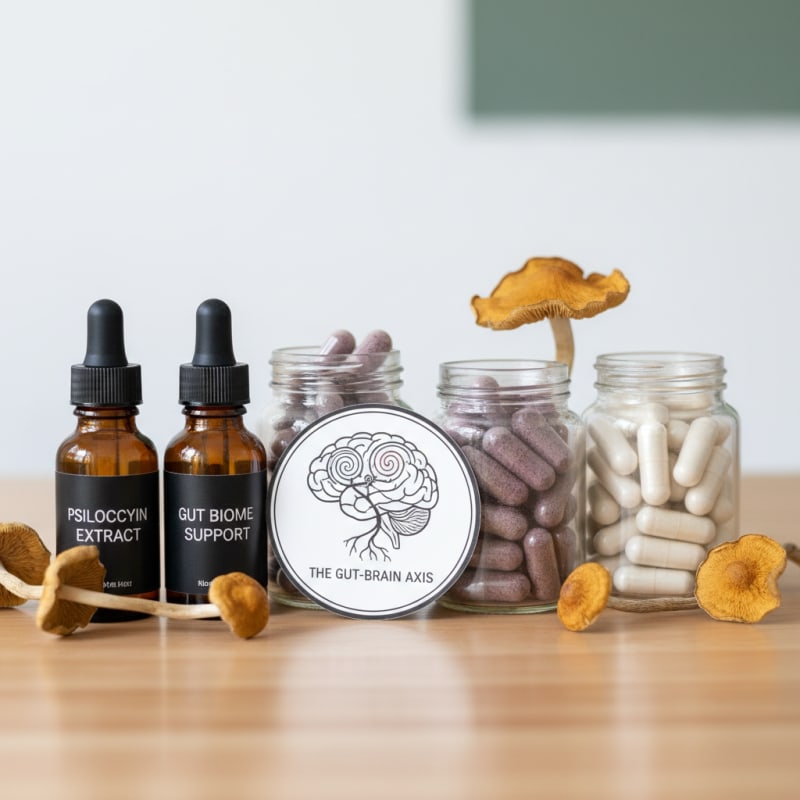
As research into this area grows, the ability to manage dosage becomes paramount. Products like our Core Microdose Capsules are designed for precision, containing a consistent, lab-verified dose of *Psilocybe cubensis that allows individuals to predictably explore the compound's effects. Formulated with ginger root extract, they also help soothe the stomach, acknowledging the direct impact psilocybin has on the gut.
What Could This Mean for Mind-Body Health?
The dual action of psilocybin on both the central nervous system and the enteric nervous system is a primary reason it’s being investigated for conditions that sit at the intersection of mental and physical health. Disorders of gut-brain interaction (DGBIs), like Irritable Bowel Syndrome (IBS), are a prime example. These conditions are characterized by chronic gastrointestinal symptoms that are closely linked with psychological factors like stress, trauma, and anxiety. Dr. Erin Mauney and her team at Tufts Medicine are among the pioneers researching the use of psilocybin-assisted therapy specifically for these disorders.
Their hypothesis is that psilocybin may help on two fronts:
1. Psychologically: By disrupting rigid thought patterns in the brain, it may help individuals process underlying trauma or anxiety that contributes to their physical symptoms. 2. Physiologically: By directly acting on serotonin receptors in the gut, it could help modulate gut sensitivity, inflammation, and motility.
This two-pronged approach embodies a true mind-body treatment paradigm. For individuals interested in exploring these connections, starting with a well-understood product and dose is crucial. Our A Beginner's Guide to Mushroom Products is an excellent resource for understanding the different formats available.
When considering ease of use and absorption, some users prefer edibles. Our Clarity Mushroom Gummies offer another precisely dosed option that may be gentler on the digestive system than raw mushrooms, combining a measured dose of psilocybin extract with a dual-extract of Lion's Mane mushroom for added cognitive support.
The investigation into the "psilocybiome" is still in its early stages, highlighting a complex interplay between psychedelic compounds, neurology, and gut microbiology that is only beginning to be mapped.

ShroomDash Editorial Team
Published 2026-02-24 · 4 min read read · Lab Science