The Two Worlds of Psilocybin Use
Quick Summary
Psilocybin is being explored in two distinct ways. Clinical research focuses on high, infrequent doses to treat severe conditions in a controlled setting, while the public overwhelmingly uses it for microdosing—taking small, regular amounts for wellness benefits like focus and mood enhancement. This gap exists because high doses are easier to study and measure than the subtle, long-term effects of microdosing.
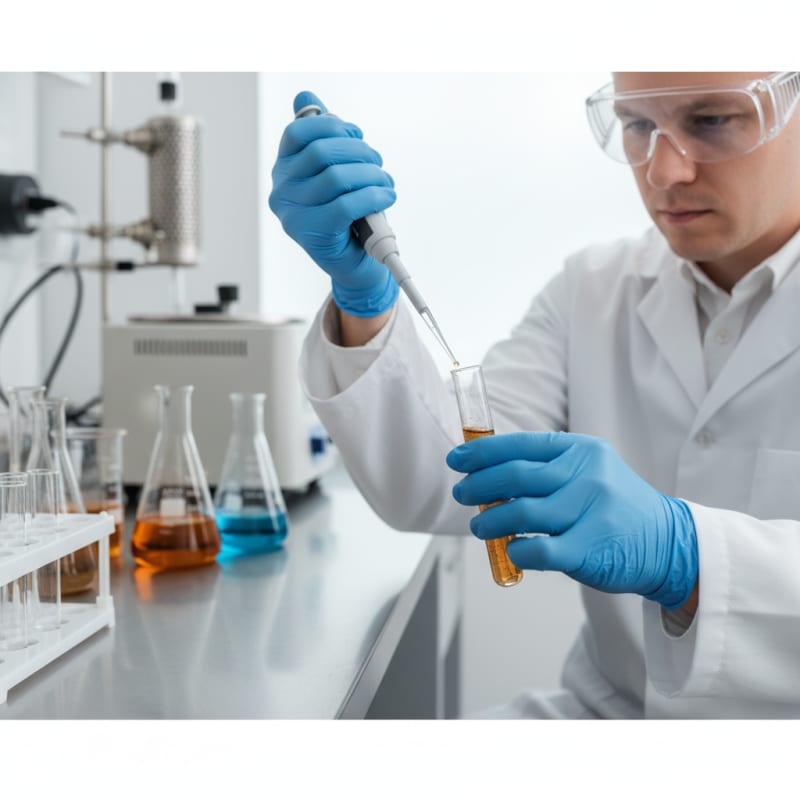
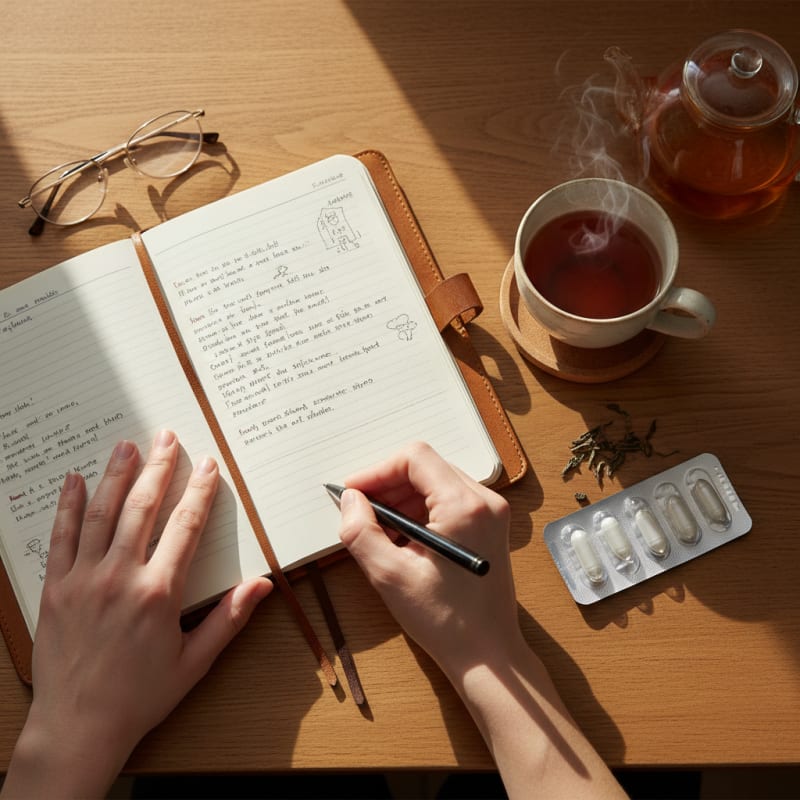
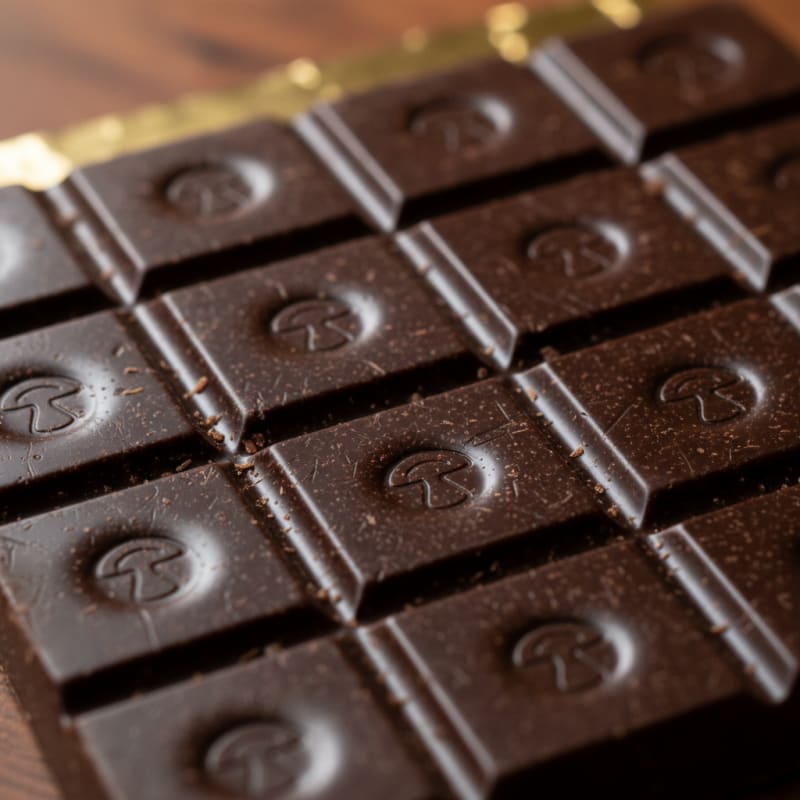
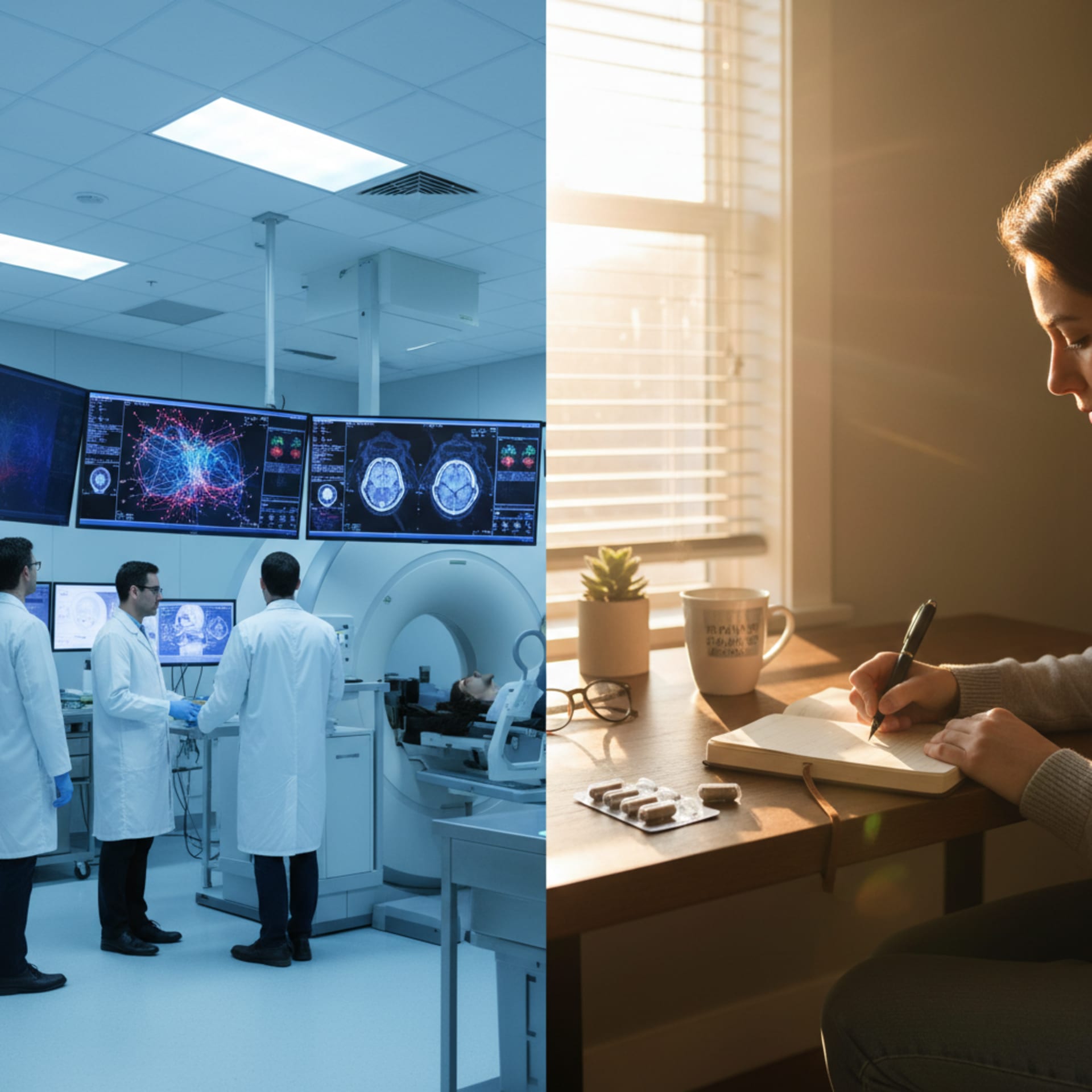
Recent data reveals a significant divergence between the scientific exploration of psilocybin and its most common real-world application. On one side, esteemed research institutions like the Johns Hopkins Center for Psychedelic and Consciousness Research are conducting highly structured, high-dose clinical trials aimed at treating severe psychiatric conditions. On the other side, a RAND study estimates that millions of adults are regularly microdosing—taking small, sub-perceptual amounts of psilocybin for benefits related to performance, creativity, and mood enhancement.
This stark contrast highlights a growing "research-reality gap," where the scientific community and the general public are exploring psilocybin for fundamentally different reasons. While one path treats the compound like a powerful surgical tool for acute intervention, the other treats it as a daily supplement for general wellness. Understanding the reasons for this divergence is key to appreciating the two parallel worlds of psilocybin use taking shape today.
What Is the Focus of Clinical Psilocybin Research?
The modern renaissance in psychedelic science is almost exclusively built on a high-dose, clinically supervised model. Researchers are investigating psilocybin’s potential to produce profound, durable therapeutic outcomes for some of the most challenging mental health conditions, including major depressive disorder (MDD), post-traumatic stress disorder (PTSD), and end-of-life anxiety for terminal patients.
In these trials, the methodology is rigorous and controlled.
- High Doses: Participants typically receive a single, large dose of synthetic psilocybin (often 25mg or more), sufficient to induce a powerful, multi-hour psychedelic experience.
- Controlled Environment: The experience takes place in a comfortable, lab-like setting designed to ensure safety and psychological support. The physical environment is carefully managed, and participants are often encouraged to wear eyeshades and listen to a specially curated music playlist to facilitate an inward journey.
- Therapeutic Support: Trained therapists are present before, during, and after the session to help participants prepare for the experience and integrate any insights that arise. This framework underscores the critical importance of set and setting in psilocybin work, a factor that is considered paramount to a safe and effective therapeutic outcome.
The goal is not subtle, day-to-day improvement but a fundamental reset of neural patterns and psychological perspectives. A single session has been shown in some studies to produce antidepressant effects that can last for months or even years. This "interventional" model is revolutionary, treating mental illness with a single, powerful experience rather than a lifetime of daily medication.
How Does Real-World Use Compare?
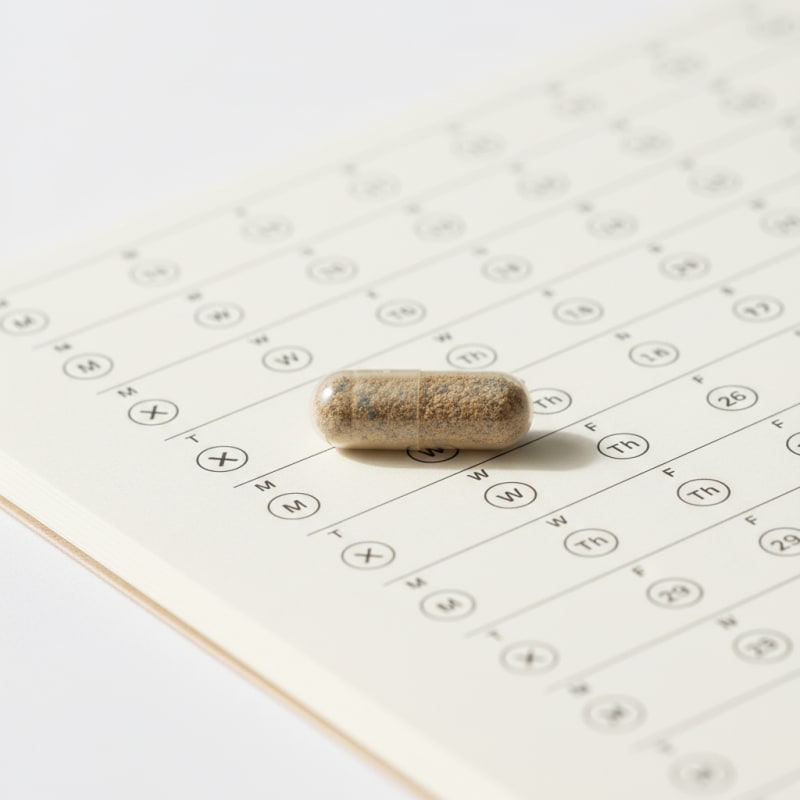
Outside the lab, psilocybin use looks vastly different. Survey data indicates that the overwhelming majority of people using psilocybin are not seeking a single, life-altering mystical experience. Instead, they are microdosing. This practice involves taking a dose so small (typically 50-150mg of dried mushroom) that it does not produce noticeable psychedelic effects. For consistency, many users prefer precisely dosed products that remove guesswork.
The goals of microdosing are not clinical but are oriented around wellness and self-optimization. Users commonly report:
- Enhanced focus and creativity
- Improved mood and emotional regulation
- Increased energy and productivity
- Greater social ease and connection
This is less of a therapeutic intervention and more of a lifestyle practice, akin to vitamins or meditation. Unlike the high-intensity, infrequent sessions in clinical trials, microdosing involves a regular, ongoing regimen. Adherents often follow specific protocols, such as the Fadiman or Stamets stacks, which outline a detailed guide to microdosing schedules to maximize benefits and prevent tolerance. This approach represents a fundamental difference in intent—it’s about subtle, continuous improvement rather than a dramatic psychological overhaul.
Why Are These Two Paths So Different?
The chasm between clinical research and public use isn't accidental; it stems from the practical realities of scientific investigation and funding. Researchers gravitate toward high-dose studies for several key reasons.
First, the effects are undeniable and highly measurable. A high-dose psilocybin session produces a profound alteration of consciousness that is easily distinguishable from a placebo. Researchers can use validated tools like the Mystical Experience Questionnaire (MEQ) to quantify the subjective effects and correlate them with therapeutic outcomes. The subtle effects of microdosing, by contrast, are notoriously difficult to separate from the placebo effect in a controlled study.
Second, the clinical trial model is designed for testing interventions, not supplements. It’s easier to secure funding and regulatory approval for a study that proposes to treat a specific disease with a powerful, one-time treatment. This model fits neatly into the existing framework of pharmaceutical development. Studying a long-term, low-dose wellness practice introduces far more variables—like diet, exercise, and sleep—making it harder to isolate the effects of the microdose itself.
The public's demand for reliable and manageable product formats, a demand that exists largely outside the clinical research space, is being met by an increase in user-friendly products. This focus on precise dosing in edibles provides a clear example of this trend.
Ultimately, the focus on high-dose trials is a pragmatic choice rooted in the constraints and objectives of modern science. It does not invalidate the anecdotal reports from millions of microdosers, but it does explain why the research community has been slow to investigate the phenomenon.
The disconnect between clinical research and public use is not a critique of either path, but an observation of two distinct models for interacting with psilocybin emerging in parallel. One is anchored in the rigors of medical science, while the other is driven by grassroots exploration in the pursuit of everyday well-being.

ShroomDash Editorial Team
Published 2026-03-09 · 4 min read read · Lab Science