Microdosing: A Concept Beyond Psilocybin
Quick Summary
Recent studies reveal that microdosing cannabis is nearly twice as common as microdosing psilocybin. This suggests that the practice of using small, sub-perceptual doses for wellness is a broad concept, with users choosing a substance based on their specific goals like focus, mood, or anxiety relief.
The term "microdosing" has become almost synonymous with psilocybin. It describes the practice of consuming a sub-perceptual dose of a substance to gain therapeutic or performance benefits without a full psychedelic experience. For many, it’s a tool for enhancing creativity, improving mood, or increasing focus. However, recent data suggests that the world of microdosing is much broader than psilocybin alone.
New research from the University of California, San Diego, reveals that microdosing cannabis is significantly more common than microdosing psilocybin. The study, published in the *American Journal of Preventive Medicine, found that nearly 10 percent of U.S. adults have microdosed cannabis, compared to roughly 5 percent who have done so with psilocybin mushrooms. This finding doesn't diminish the relevance of psilocybin; instead, it reframes microdosing as a widespread wellness strategy, a concept that users apply to different substances to achieve different outcomes. Understanding this broader context provides valuable insight into the underlying intent of the practice.
What Is the Goal of a Microdose?
At its core, microdosing is defined by intent. The goal is to operate below the threshold of intoxication while still accessing the substance's benefits. For psilocybin, a microdose is typically considered 1/10th to 1/20th of a recreational dose, an amount intended to avoid any overt psychoactive effects like visual distortions or altered states of consciousness. Users often follow specific schedules, known as protocols, to regulate their intake and maximize benefits while preventing tolerance buildup. Two well-known protocols are the Fadiman Protocol (one day on, two days off) and the Stamets Stack, which combines psilocybin with other supplements.
The desired outcomes for psilocybin microdosing often revolve around cognitive and emotional enhancement. Users commonly report:
- Increased creativity and divergent thinking
- Improved focus and flow states
- Elevated mood and greater emotional balance
- Enhanced empathy and social connection
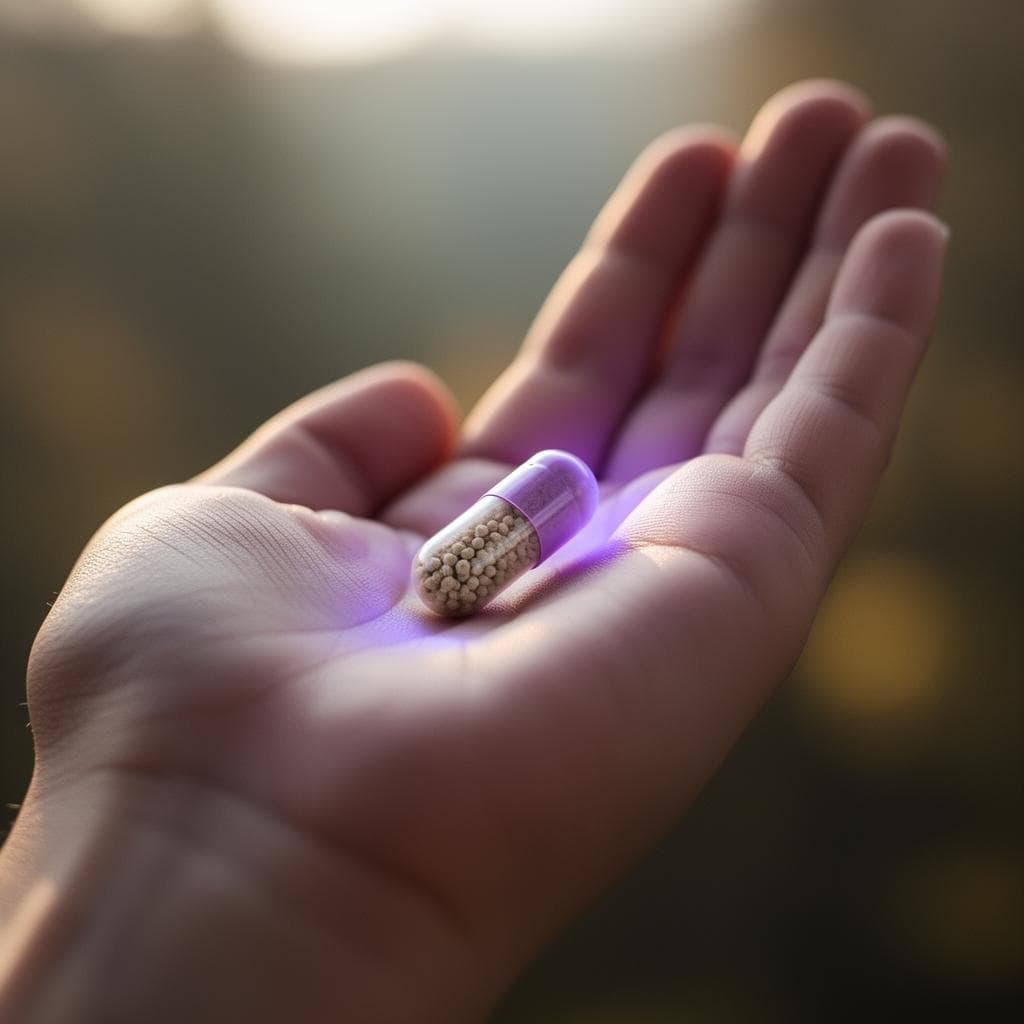
This practice has grown into a significant segment of psilocybin use. A 2026 RAND study highlighted this, reporting that among adults who used psilocybin in the past year, approximately two-thirds had microdosed at least once. Furthermore, nearly half of the more than 200 million days of psilocybin use involved microdosing. This shows that for a large number of people, psilocybin is not just for profound, occasional journeys but for regular, subtle support. For those seeking consistency, products like our Clarity Caps are formulated to provide a precise, reliable amount of psilocybin, removing the guesswork from dosing and helping users maintain a structured regimen. You can find these and other options in our capsules collection.
Why Is Cannabis Microdosing More Common?
The revelation that cannabis microdosing is nearly twice as prevalent is surprising only because the public conversation has focused so heavily on psychedelics. The reasons for its popularity align with the general goals of microdosing but are tailored to the unique properties of cannabinoids like THC and CBD. While a full dose of cannabis can be intoxicating, a microdose is intended to provide relief without significant cognitive impairment.
The goals for microdosing cannabis often include:
- Anxiety and Stress Reduction: Small doses of THC can have a calming effect, whereas larger doses can sometimes induce anxiety.
- Pain Management: Users report that microdosing can alleviate chronic pain and inflammation without the fogginess associated with higher doses.
- Sleep Aid: A small amount of cannabis before bed may help regulate sleep cycles for some individuals.
- Mood Stabilization: Similar to psilocybin, some use cannabis microdoses to manage mood, though the mechanisms are different.
The comparison is important because it illustrates that people are choosing their tools based on the job. The effects of psilocybin are primarily driven by its interaction with the brain's serotonin 5-HT2A receptors, which is linked to its effects on mood and neuroplasticity. Cannabis works through the endocannabinoid system, which regulates a wide range of functions including pain, appetite, and stress response. An individual seeking to unlock creative potential might gravitate toward psilocybin, while someone looking to manage chronic back pain may find more utility in a cannabis microdose.
How Does This Inform Psilocybin Use?
The popularity of microdosing across different substances validates the practice as a legitimate wellness modality. It shows a sophisticated user base that is moving beyond the simple binary of "sober vs. intoxicated." Instead, people are exploring the nuanced spectrum of effects that these compounds can offer at very low doses. This trend normalizes the idea of using psychoactive substances in a controlled, intentional, and non-recreational manner.
For the psilocybin community, this broader view is beneficial. It situates psilocybin microdosing within a larger ecosystem of self-care practices. Knowing that millions of people are microdosing cannabis for therapeutic purposes reinforces the idea that psilocybin can be used in a similar way. It's not an esoteric practice for a select few but a mainstream strategy for wellness management. The variance in individual responses to psilocybin is vast, as explored in our post on why mushroom experiences vary, and microdosing offers a controlled way to navigate that variability.
This trend also highlights the importance of product diversity. Just as cannabis users can choose from tinctures, edibles, and vapes for their microdose, psilocybin users benefit from having different formats. While capsules offer precision, some users prefer edibles for their taste and approachability. Products like our Focus Gummies provide another simple, pre-measured option for those who want to integrate psilocybin into their routine without the earthy taste of dried mushrooms. Explore our full range of edible products here.
The data clearly indicates that the underlying principle of microdosing—using a minimal amount of a substance for maximal functional benefit—is a concept with broad appeal. The choice of substance is simply a reflection of the user's specific wellness objectives.

ShroomDash Editorial Team
Published 2026-05-06 · 4 min read read · Microdosing