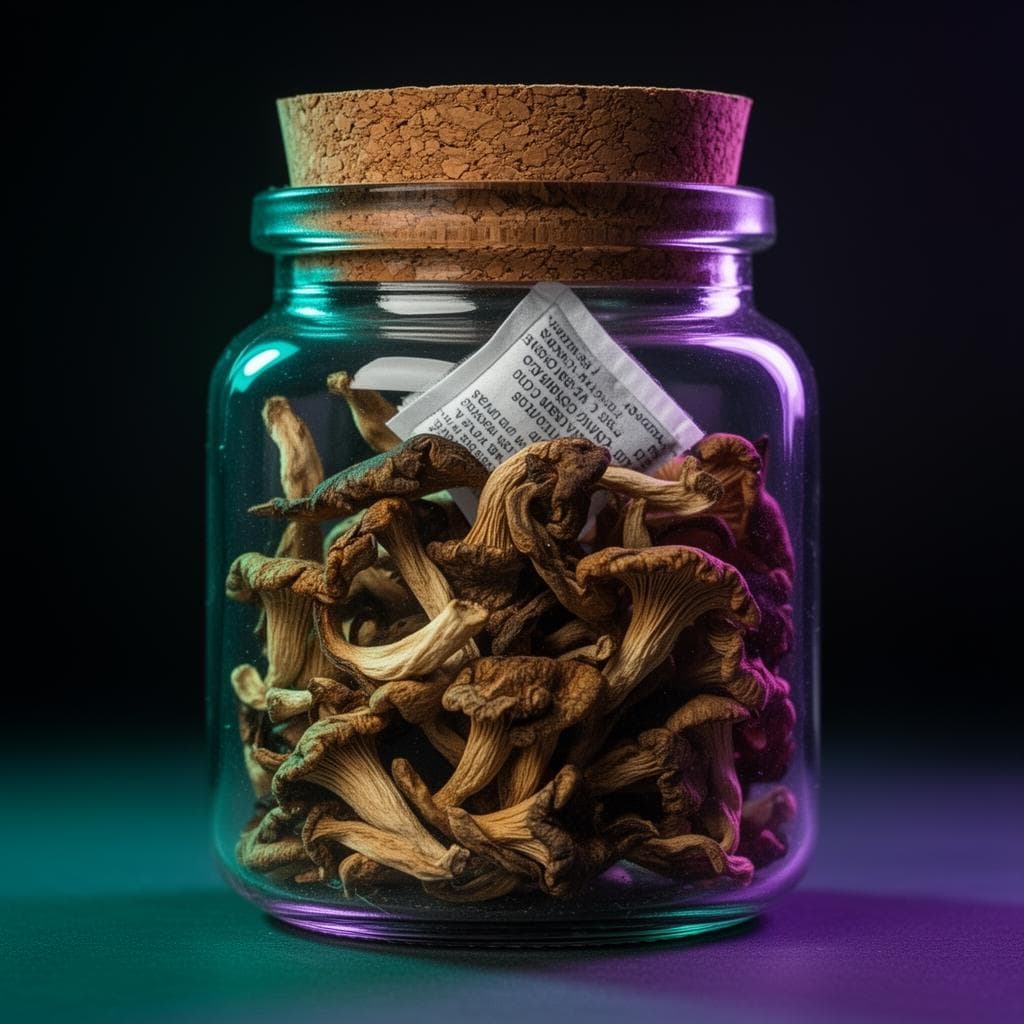

Psychedelics & Public Health: The Microdosing Blind Spot
Quick Summary
A recent RAND study reveals that millions of people use psilocybin primarily through microdosing, a trend largely overlooked by public health and clinical research. This creates a gap in safety guidance and misses an opportunity for a widespread wellness tool, highlighting the need for reliable, accurately dosed products as real-world use outpaces scientific study.

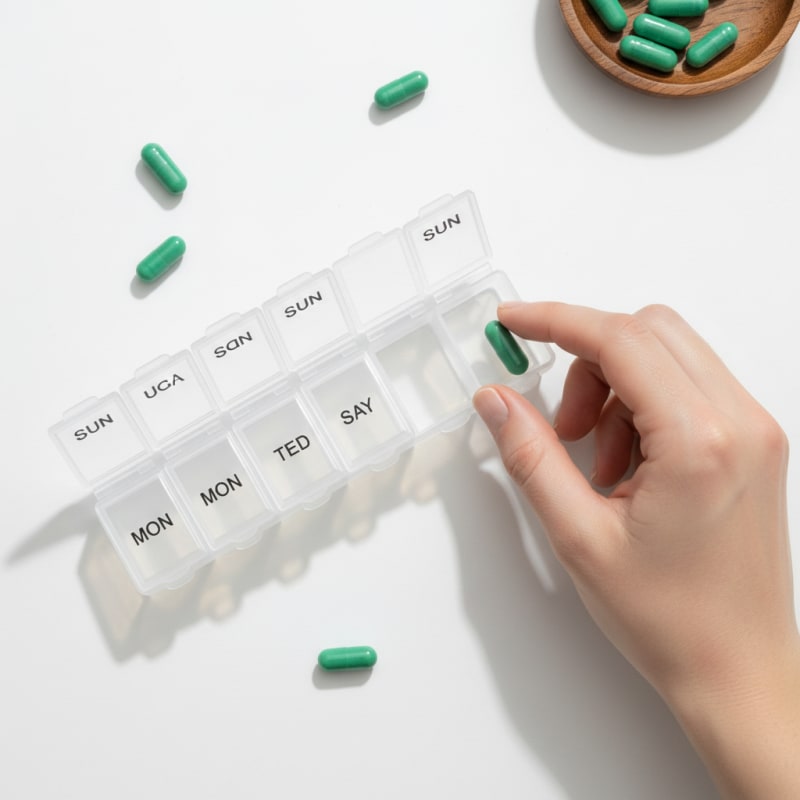


A recent RAND Corporation study has illuminated a significant trend in psilocybin consumption: for millions of adults, microdosing is the predominant method of use. The report found that among those who used psilocybin in the past year, approximately two-thirds had microdosed. Furthermore, of the more than 200 million "psilocybin use days" reported, microdosing accounted for nearly half. This is not a marginal activity but a central feature of modern psilocybin use, representing a massive, self-directed wellness movement that operates largely in parallel to the more publicized world of high-dose clinical research. The data suggests a major disconnect between how psilocybin is being studied (high-dose, clinical therapy for severe conditions) and how it is most commonly being used (low-dose, non-clinical wellness).
This widespread adoption of microdosing for goals like enhanced focus, emotional regulation, and creativity presents a complex challenge for public health. While the clinical research on high-dose psilocybin-assisted therapy for conditions like depression and addiction is vital, it captures only a fraction of the landscape. The millions of individuals microdosing on a regular basis represent a distinct user group with different motivations and needs, yet they remain largely unaddressed by formal research and healthcare systems. This creates a significant blind spot, leaving a large population to navigate dosing, sourcing, and safety protocols with little more than anecdotal guidance.
Why is microdosing overlooked in public health?
The current research landscape is heavily skewed towards high-dose therapeutic sessions for several reasons. Historically, psychedelic research, particularly from the 1950s and 60s, focused on the profound, consciousness-altering effects of large doses, often termed "mystical experiences." This paradigm continues to influence modern clinical trials, which often aim to replicate these intense, transformative sessions in a controlled setting to treat severe psychiatric conditions. Funding and regulatory bodies are more inclined to support research with clear, measurable, and dramatic outcomes, and a single high dose that shows a rapid reduction in depression scores is a more straightforward study to design and fund than a long-term microdosing regimen.
Furthermore, studying microdosing presents unique methodological challenges:
- Blinding: A core principle of rigorous clinical trials is the "double-blind," where neither the participant nor the researcher knows who is receiving the placebo and who is receiving the active drug. This is notoriously difficult with microdosing. While doses are sub-perceptual, some users report subtle effects that can make them aware they've taken the active substance, potentially compromising the blind and introducing placebo effects.
- Long-term Tracking: Microdosing is not a one-time intervention. Users often follow specific schedules over weeks or months. Tracking adherence, subjective effects, and other lifestyle variables over such a long period is complex, expensive, and difficult to control.
- Subtle Outcomes: The goals of microdosing—improved mood, increased creativity, better focus—are subjective and harder to quantify than the remission of a diagnosed disorder. Developing sensitive, objective measures for these subtle enhancements is an ongoing scientific challenge.
These hurdles mean that while millions of people are actively microdosing, the formal research community is several steps behind. This gap is explored further in our post on why research tends to ignore microdosing, but the core issue is that the current medical framework is better suited to studying acute treatments for disease rather than subtle, ongoing wellness practices.
How does real-world use differ from the clinical model?
The divergence between real-world use and the clinical model can be understood as two different paths. The clinical path is a structured, top-down approach where psilocybin is administered as a powerful medicine in a controlled, supervised environment to treat a diagnosed illness. The real-world wellness path, dominated by microdosing, is a bottom-up, self-directed practice aimed at general life enhancement.
In a clinical trial, a participant undergoes extensive screening, preparation, and is guided through a high-dose experience by trained therapists. The focus is on treating a specific, often severe, condition like major depressive disorder or PTSD. The experience is intense, rare, and medically framed. For many, this is a necessary and powerful intervention.
In contrast, the typical microdoser is not trying to cure a severe illness. They are often integrating small, precisely measured amounts of psilocybin into their routine to manage daily stressors, improve productivity, or foster a greater sense of well-being. For these users, consistency and reliability are paramount. They depend on accurately dosed products that deliver predictable, sub-perceptual effects without disrupting their daily responsibilities. This has fueled demand for professionally produced edibles and capsules over raw mushrooms, which have highly variable potency. Products like our Neuro Blend Microdose Capsules are designed for this exact purpose, combining a measured dose of *Psilocybe cubensis with other functional ingredients to support cognitive and neurological health. You can find these and other options in our capsules shop category.
This user is not a "patient" in the traditional sense. They are a consumer proactively managing their mental and emotional wellness. Their needs are not for a single, dramatic intervention but for a reliable tool that can be integrated into a long-term lifestyle.
What are the public health implications of this gap?
The disconnect between the reality of widespread microdosing and the focus of public health and research has several important consequences. Firstly, it creates a vacuum in harm reduction and education. Without guidance from health authorities, users turn to online forums and anecdotal reports to determine their dosing schedules, troubleshoot side effects, and assess product quality. While communities share valuable insights, this approach lacks the systematic safety and efficacy analysis of formal research.
Secondly, it represents a missed opportunity. Microdosing could potentially be a low-cost, high-impact tool for population-level mental wellness. By focusing exclusively on high-dose therapy for the acutely ill, the public health sector may be ignoring a preventative tool that could help a much broader population maintain well-being and resilience, potentially reducing the number of people who later require more intensive clinical intervention. The conversation must expand from treatment to include enhancement and prevention.
Finally, the trend underscores the critical importance of product integrity and accurate dosing. As millions of people rely on these products for regular use, the need for transparency and quality control is paramount. Consumers deserve to know that their dose is what it claims to be, free from contaminants, and consistent from one batch to the next. This is why understanding lab reports is so crucial, as we detail in our article on what 'lab-tested' actually means. For those following a microdosing protocol, such as one capsule every other day, consistency is not just a preference; it is essential for achieving the desired outcome. Our Golden Teacher Capsules are a popular choice for this, offering a straightforward and reliable dose of this well-known *Psilocybe cubensis variety.
The data from the RAND study is not just an interesting statistic; it is a clear signal. Widespread microdosing is an established behavior that is far outpacing the science and regulatory frameworks that govern psychedelics. This popular embrace of psilocybin for everyday wellness suggests that the public is already defining the future of its use. The data clearly shows that while researchers are focused on one path for psilocybin, millions of users are already, and have been, walking another.

ShroomDash Editorial Team
Published 2026-03-25 · 5 min read read · Microdosing