
Microdosing: A Primary Use for Psilocybin
Quick Summary
A recent RAND study indicates that microdosing is a primary way people use psilocybin, with almost half of all use days involving microdoses. This shift reflects a move towards using psilocybin for functional benefits like improved mood and focus, rather than just for high-dose experiences. The trend highlights the demand for precisely dosed products like capsules and gummies.
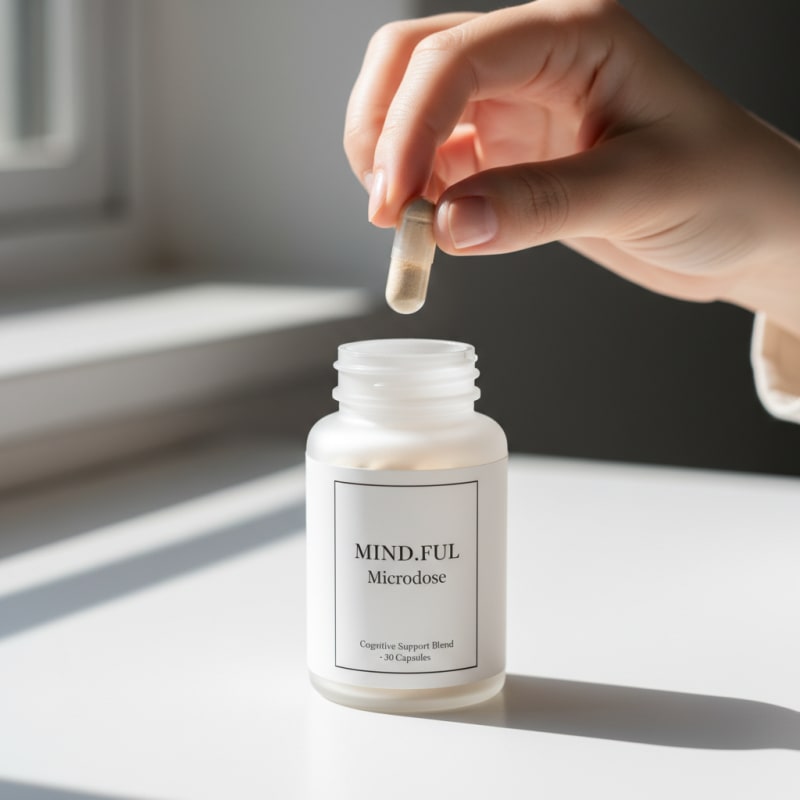
When people think of psilocybin mushrooms, the first image that often comes to mind is the "psychedelic trip"—an intense, reality-altering experience. For decades, this has been the dominant narrative. However, recent data suggests a significant evolution in how people are using psilocybin. A landmark 2026 study from the RAND Corporation reveals that microdosing is no longer a niche activity but a primary mode of consumption for a substantial portion of users.
This shift challenges conventional views and highlights a growing trend towards integrating sub-perceptual doses of psilocybin into daily or weekly routines for therapeutic and functional benefits. The data indicates that for many, the goal is not to escape reality but to enhance it.
What Do the New Numbers Really Say?
The research, a first-of-its-kind survey on psychedelic use, provides concrete numbers that quantify the scale of the microdosing phenomenon. According to the RAND study, an estimated 10 million U.S. adults microdosed with psychedelics like psilocybin in 2025. Psilocybin was the most commonly used substance reported in the survey.
The most telling statistics relate to consumption patterns:
Among adults who consumed psilocybin within the last year, approximately two-thirds reported microdosing at least once. Of the more than 200 million days of psilocybin use reported, nearly half involved microdosing.
These findings are significant. They demonstrate that microdosing accounts for a massive volume of total psilocybin use. It reframes microdosing from an experimental fringe activity into a mainstream practice that, for many users, is as common or even more common than taking a full, psychoactive dose. It suggests that users are not just trying it out; they are incorporating it into their lives on a regular basis, a trend made easier by the availability of consistent products like precisely dosed capsules and edibles.
Why Has Microdosing Become So Common?
The rise of microdosing can be attributed to several factors that align with modern wellness and performance-oriented lifestyles. It represents a different relationship with psychedelics—one that is more functional and less disruptive than the occasional high-dose experience.
One of the main drivers is the lower barrier to entry. A full psychedelic experience requires significant preparation, including arranging a safe and comfortable environment (or "set and setting") and dedicating 6-8 hours to the experience itself, plus time for integration afterward. In contrast, a microdose is, by definition, sub-perceptual. The goal is to experience no noticeable psychedelic effects, as explored in our post What Defines a "Sub-Perceptual" Microdose?. This allows individuals to continue with their daily responsibilities, such as work, family, and social commitments, without interruption.
People turn to microdosing for a wide range of perceived benefits:
Mental Health Management: Many users report microdosing to alleviate symptoms of depression and anxiety, providing a mood lift and greater emotional regulation. Enhanced Creativity and Focus: Anecdotal reports frequently cite improved creative thinking, problem-solving abilities, and a state of "flow" during work or other tasks. Improved Well-Being: Users often describe a general sense of increased well-being, including greater presence, empathy, and a more positive outlook.
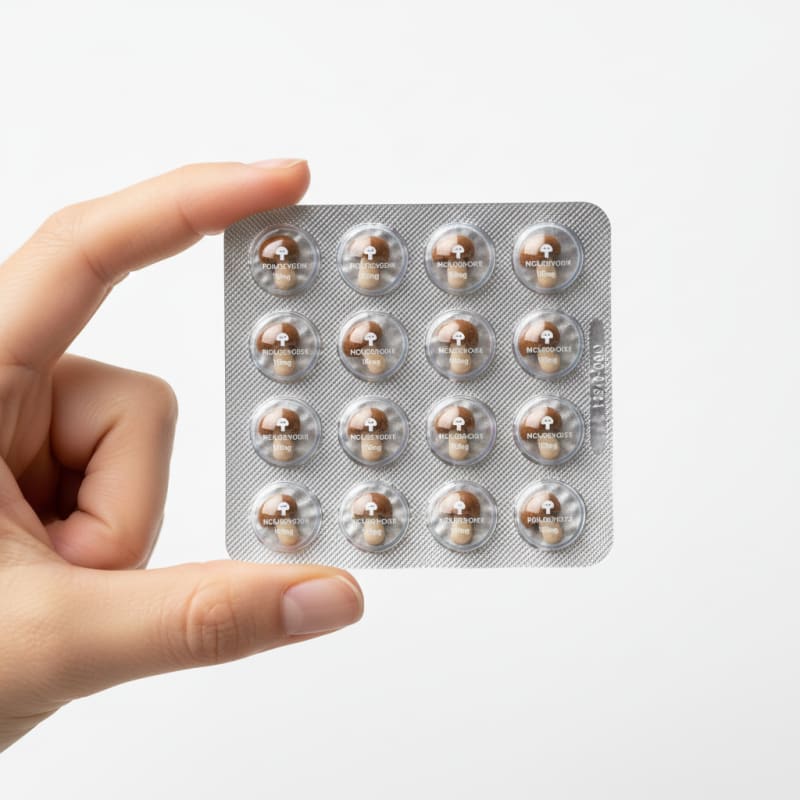
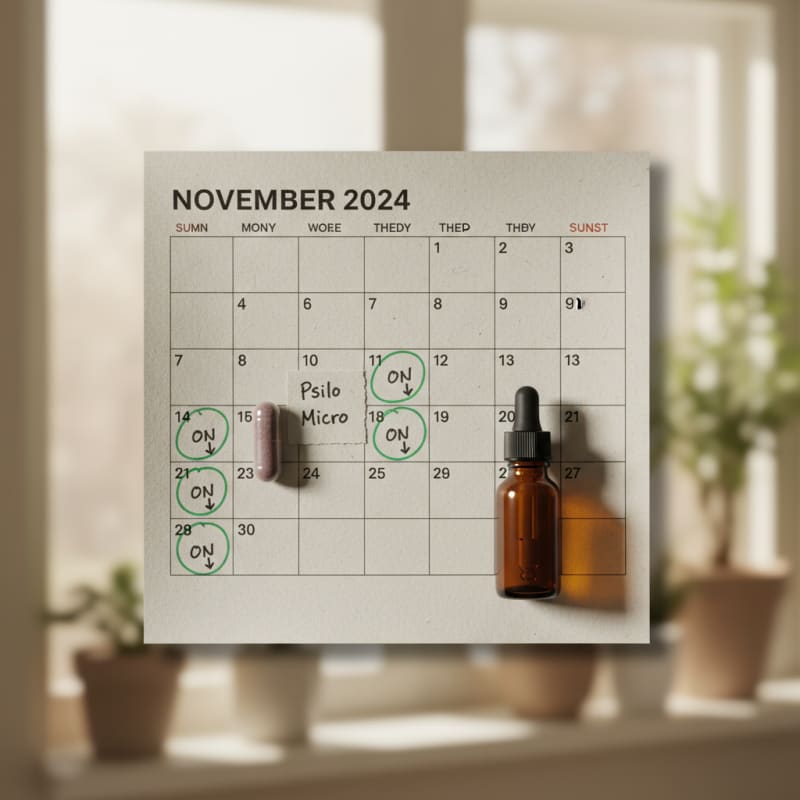
The growth of the market for precisely dosed products has also played a crucial role. Products like the Clarity Microdose Capsules offer a straightforward way to consume a consistent, pre-measured amount of psilocybin. This eliminates the guesswork and variability associated with using raw mushrooms, where potency can differ significantly. For anyone following a specific protocol, such as one day on and two days off, product consistency is key to achieving reliable outcomes. This move toward standardization reinforces a core principle we've discussed before: why dosing consistency matters more than strain names.
How Does This Change Our View of Psilocybin?
The data confirming microdosing as a primary use case represents a fundamental shift in the public and scientific understanding of psilocybin. It moves the substance out of a purely recreational or intense therapeutic context and into the realm of functional wellness tools. This has several important implications for consumers, producers, and researchers.
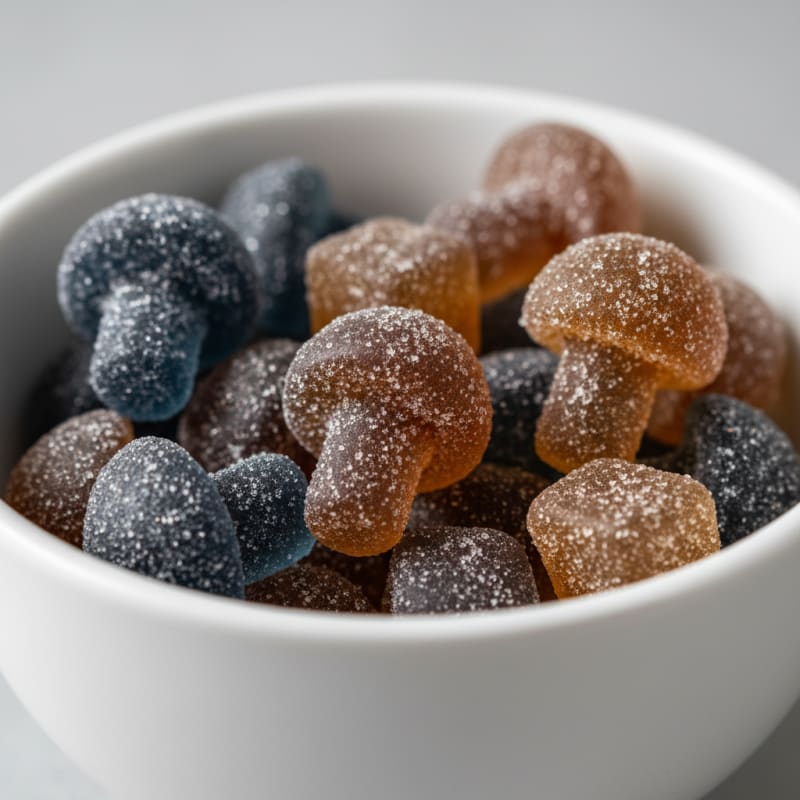
First, it underscores the market demand for reliable, low-dose product formats. While whole mushrooms have their place, the modern consumer practicing a microdosing regimen requires accuracy that only standardized products can provide. Whether through capsules or edibles, the ability to take the same small dose every time is essential for tracking effects and maintaining a sub-perceptual experience. Flavoured options like Focus Gummies further enhance accessibility by offering a discrete and palatable format for those who may be averse to the taste of mushrooms.
Second, it signals that the reasons for using psilocybin are diversifying. While high-dose psychedelic-assisted therapy for conditions like PTSD and Major Depressive Disorder generates headlines, millions of people are quietly using small doses to navigate the demands of daily life. This "real-world" use is different from the clinical model and suggests a need for research that examines the long-term effects of sustained microdosing protocols.
This trend normalizes psilocybin as a substance with a wide spectrum of applications. Just as caffeine is used in different ways—from a morning espresso to a mild green tea—psilocybin is being used in doses that produce vastly different outcomes. The growing prevalence of microdosing shows a user base that is increasingly sophisticated, treating psilocybin not as a party drug but as a tool for subtle optimization and mental health support.
The widespread adoption of microdosing documented by the RAND study confirms that psilocybin use is evolving, with a significant portion of users prioritizing gentle, functional benefits over intense psychoactive experiences.

ShroomDash Editorial Team
Published 2026-03-05 · 4 min read read · Microdosing