
Microdosing Is More Common Than You Think
Quick Summary
A recent RAND study found that millions of adults microdose psychedelics like psilocybin. For people who use psilocybin, taking small, non-intoxicating doses is a very common practice, accounting for nearly half of all usage days.
Media headlines and academic discourse often focus on the therapeutic potential of high-dose psilocybin sessions. Clinical trials from institutions like Johns Hopkins explore its use for addiction, depression, and end-of-life anxiety, creating a public perception of psilocybin use as a profound, infrequent, and medically supervised event. While this research is groundbreaking, it doesn't capture the full picture of how psilocybin is being used today. A landmark 2026 study reveals a very different, and much more common, reality: microdosing.
New data from the RAND Drug Policy Research Center, based on a first-of-its-kind survey, quantifies the widespread practice of microdosing. The findings suggest that for the millions who use psilocybin, taking small, regular doses is not a fringe activity but a core component of their wellness routine. This data provides a crucial correction to the public narrative, showing that the quiet, consistent practice of microdosing is far more prevalent than the high-intensity journeys that capture the public imagination.
What Does the Data on Psychedelic Use Show?
The RAND study offers a clear, data-driven look into the real-world application of psychedelics. The numbers paint a picture of a user base that is deeply engaged with sub-perceptual dosing. The report estimates that in 2025 alone, millions of U.S. adults incorporated microdosing into their lives.
The most striking findings relate specifically to psilocybin, which the study identified as the most commonly used psychedelic.
- Widespread Adoption: Among adults who used psilocybin in the past year, an estimated two-thirds reported microdosing at least once.
- High Frequency: Of the more than 200 million days of psilocybin use reported by survey participants, nearly half of those days involved microdosing.
- Dominant Substance: Psilocybin was the most used psychedelic, with an estimated 11 million adults having used it in 2025.
This evidence signals a significant divergence between the substances being studied in controlled settings and how they are actually being applied. The authors of the study note that understanding the prevalence of microdosing is critical for public health, research, and policy. It demonstrates that a large portion of users are not seeking a transformative psychedelic experience but are instead integrating psilocybin into their lives in a more subtle, functional way.
How Is "Microdosing" Formally Defined?
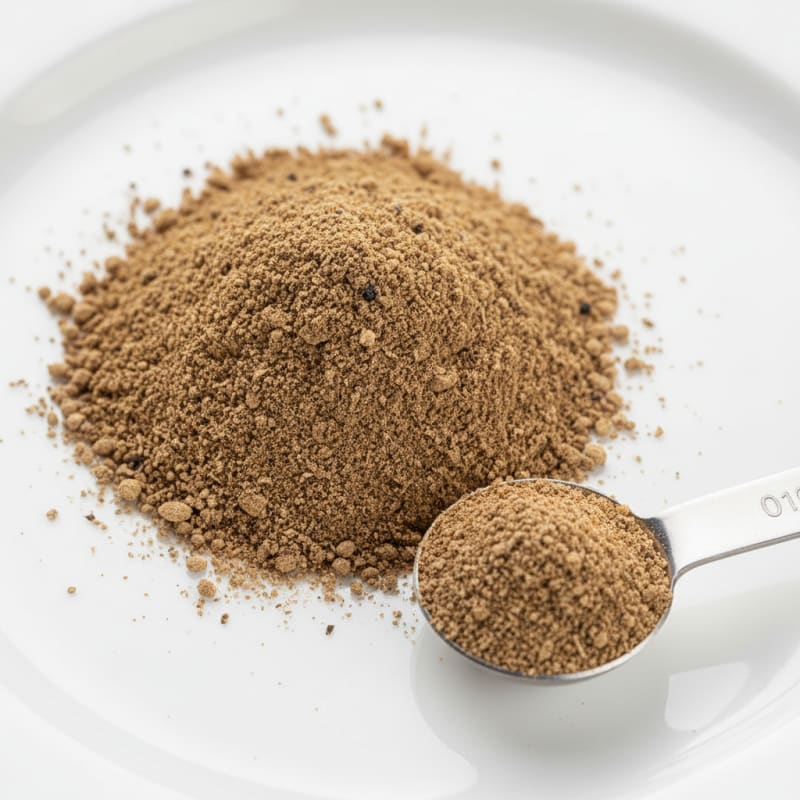
A microdose is a sub-perceptual dose of a psychedelic substance, taken to enhance cognitive function, emotional balance, or creativity without producing an altered state of consciousness. The key word is sub-perceptual—the effects, if any, are subtle and do not impair normal functioning. A typical microdose of psilocybin is between 0.1g and 0.3g of dried mushrooms, but the precise amount varies based on individual physiology and mushroom potency.
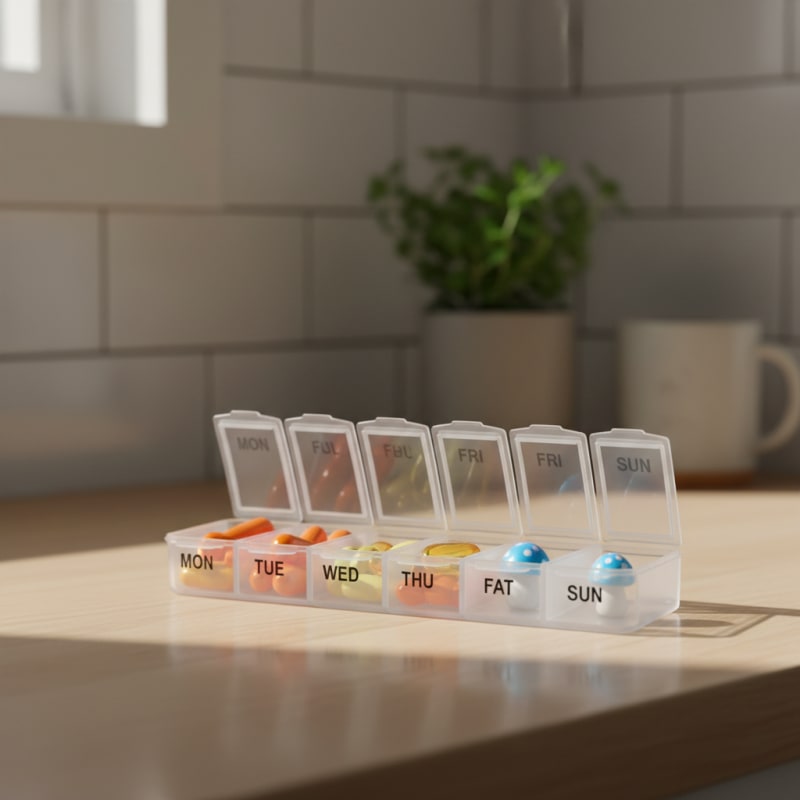
This practice stands in stark contrast to the macrodoses used in clinical trials and therapeutic sessions, which are intentionally administered to induce a powerful psychedelic experience. While those high-dose experiences are being studied for their ability to catalyze significant psychological breakthroughs, why psilocybin research focuses on high doses is a matter of clinical utility and research design. For a large segment of the population, the goal isn't a life-altering trip but sustained, subtle improvement in their day-to-day well-being. This is where precisely measured products, like microdose capsules, become particularly useful. Many users adopt a protocol, such as the Fadiman protocol (one day on, two days off), to structure their use and prevent tolerance.
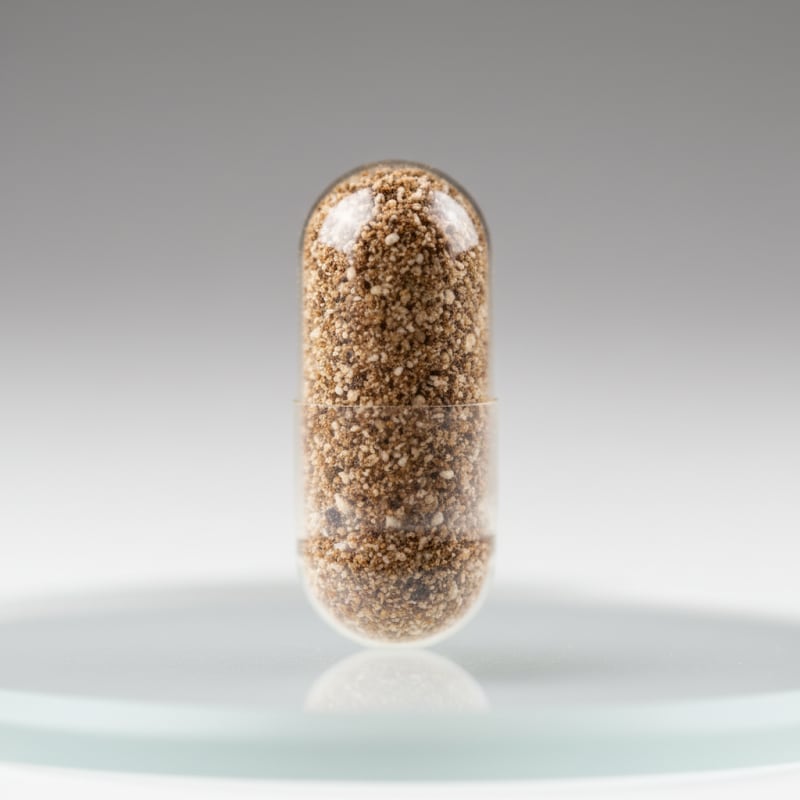
Our Core Microdose Capsules are specifically designed for this purpose, providing a consistent and reliable amount of ground *Psilocybe cubensis to support a structured microdosing regimen without guesswork. You can explore them in our capsules category.
Why The Disconnect Between Research and Reality?
The gap between the research narrative and widespread practice exists for several reasons. Clinical research requires protocols that are measurable, replicable, and controllable. A single, high dose of psilocybin administered in a supervised setting produces clear, quantifiable data points and profound subjective effects that can be analyzed. Researchers at Johns Hopkins, for example, have demonstrated the safety and efficacy of this model for treating conditions like severe anxiety and smoking addiction.
In contrast, studying the effects of microdosing is inherently more complex. The outcomes are subtle, develop over long periods, and are subject to the placebo effect. Self-reported benefits like "increased creativity" or "improved mood" are difficult to measure objectively. As a result, the body of clinical research on microdosing is still small compared to the mountain of anecdotal reports and the now-quantified prevalence shown by the RAND study.
This research bias towards high-dose studies naturally shapes media coverage, leading to a public perception that psilocybin use is exclusively about intense, therapeutic journeys. While that application is valid and important, the data now confirms that it represents only one facet of a much broader culture of use. Products across different formats, from capsules to edibles, are being integrated into daily life, which you can see in the variety available in our shop.
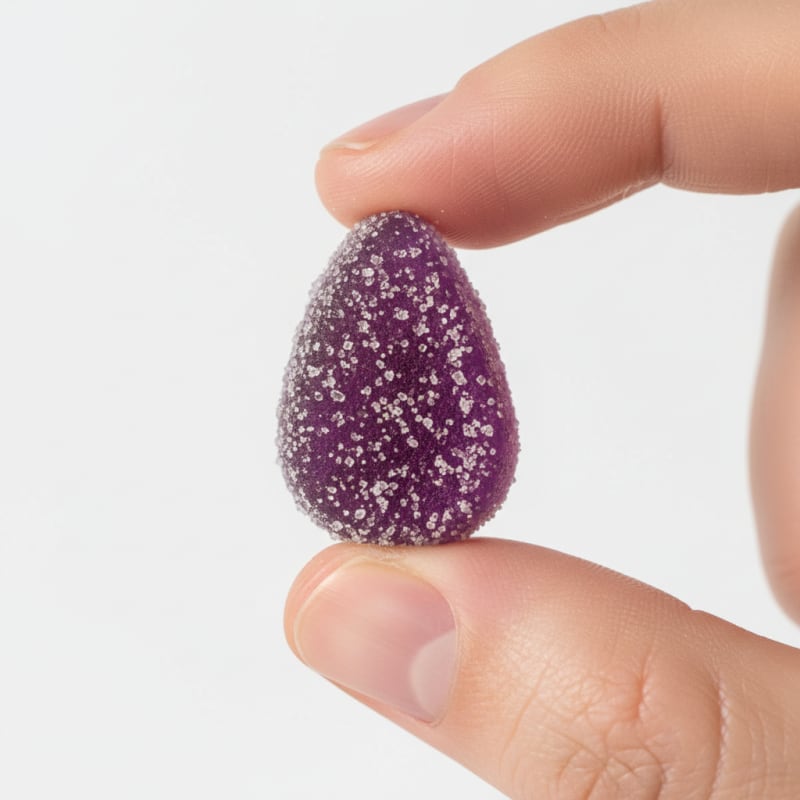
For those who find the texture or taste of raw mushrooms unappealing, our Origin Mushroom Gummies offer an alternative for managing dosages. While intended for macrodosing, they can be easily divided into smaller segments to achieve a microdose, blending convenience with precise control.
The prevalence data on microdosing suggests that while clinical science focuses on acute, powerful interventions, a significant portion of the population is independently exploring a different path—one centered on moderation, consistency, and subtle enhancement.

ShroomDash Editorial Team
Published 2026-03-21 · 4 min read read · Microdosing