

Microdosing: Data vs. Media Headlines
Quick Summary
Recent data shows millions of North Americans microdose psilocybin for wellness, a trend largely overlooked by media that focuses on high-dose clinical trials. This disconnect highlights two parallel worlds of psilocybin use: the structured, clinical application for major disorders and the widespread, consumer-driven use for daily support. Product formats like precisely dosed capsules reflect this real-world demand.
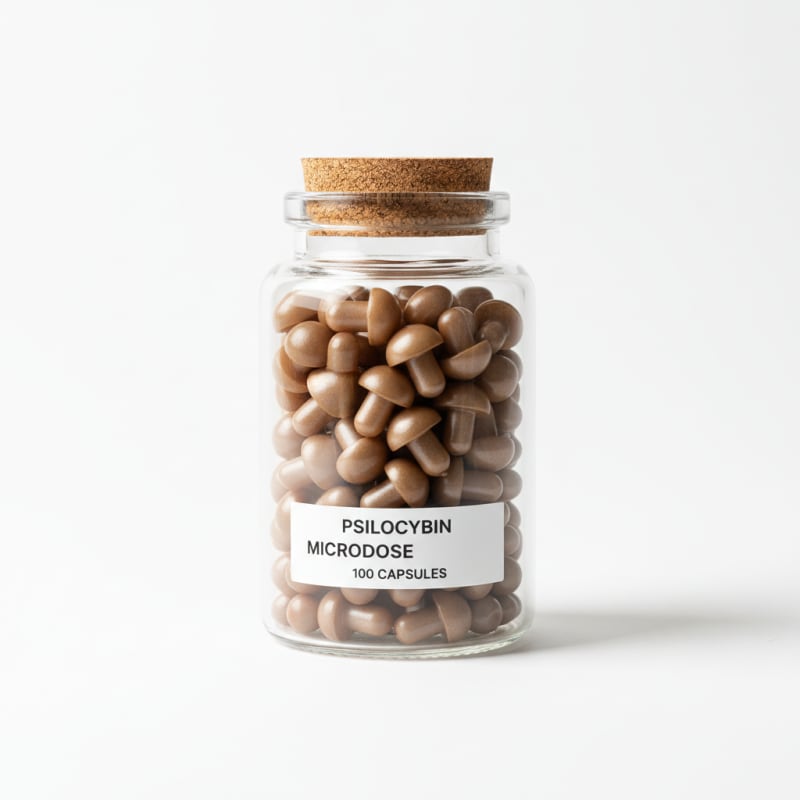
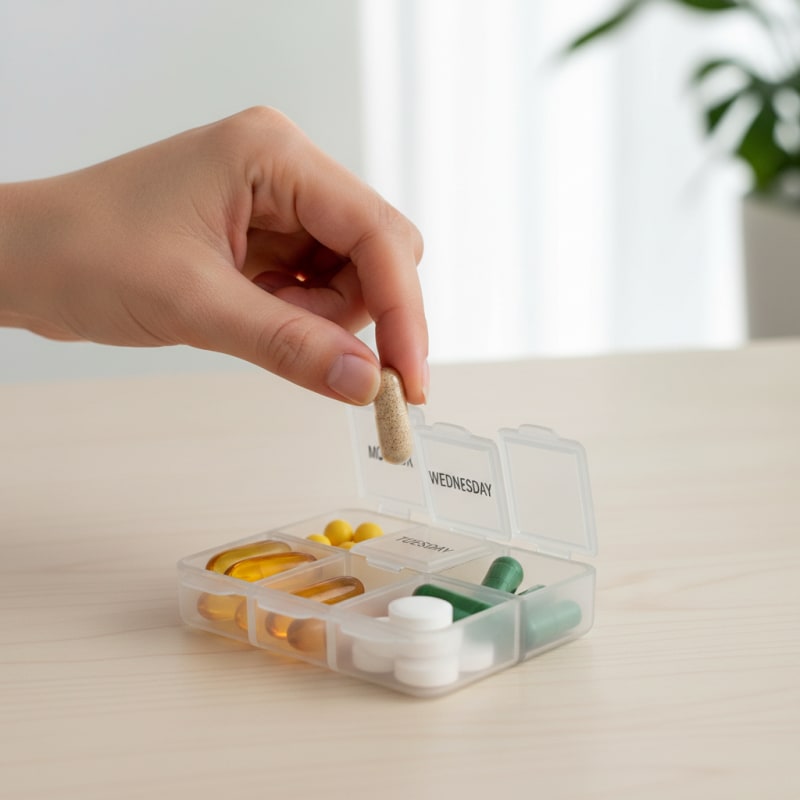
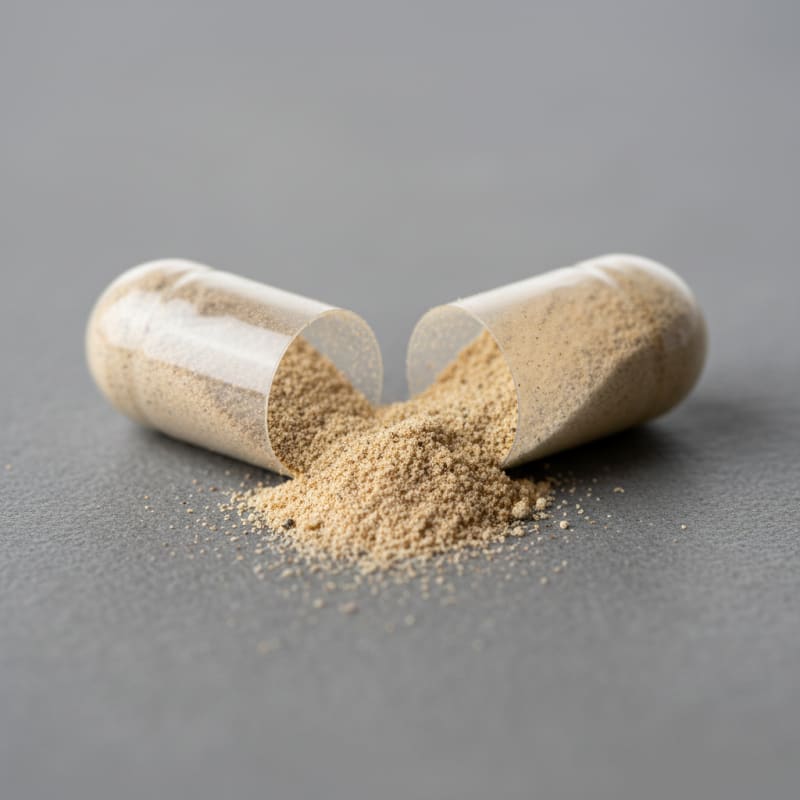

A major 2026 study from the RAND Drug Policy Research Center has put a number on a trend many have observed for years: microdosing is a primary way North Americans use psilocybin. The report estimates that around 10 million U.S. adults microdosed psychedelics in the past year, with psilocybin being the most common substance. This data confirms that for a significant portion of users, the goal isn't a profound psychedelic experience but subtle, sub-perceptual support for wellness.
Yet, this real-world trend is often overshadowed by media and scientific attention on high-dose psilocybin therapy. Headlines frequently highlight the dramatic, life-altering potential of large doses for treating conditions like major depression and PTSD. While this research is undeniably important, it represents only one facet of psilocybin use. The quiet, consistent use by millions of people for daily well-being paints a much different picture of psilocybin's role in modern society, highlighting a significant fork in the road between clinical research and real-world use.
Why Does Media Coverage Focus on High-Dose Trips?
The emphasis on high-dose psilocybin in clinical and media circles is driven by several factors. First and foremost is the structure of clinical research and the pharmaceutical approval pipeline. To gain approval from bodies like the FDA or Health Canada, treatments must demonstrate profound efficacy for specific, diagnosable conditions. High-dose, therapist-guided sessions provide a framework that fits this model.
The results from these trials are often dramatic. Participants report mystical experiences that can reframe their perspective on past trauma or chronic depression in a single session. These are powerful, headline-grabbing narratives that are easier to package for news stories and academic journals than the subtle, cumulative benefits of microdosing. From a research standpoint, it is also easier to measure the acute effects of a large dose than the longitudinal impact of a sub-perceptual one.
Funding also plays a significant role. Most capital investment in the psychedelics space is directed toward developing patentable drugs and therapeutic protocols. High-dose therapies are more easily standardized and monetized within the existing medical system. This financial incentive structure perpetuates a cycle where research focuses on macrodoses, which in turn dominates the public conversation.
What Does the Data Say About Real-World Psilocybin Use?
Survey data and observational studies paint a picture that is far more nuanced. The RAND report is a landmark piece of evidence, but it confirms a trend seen in numerous other data sets. The primary motivation for the millions who microdose is not to treat a severe psychiatric disorder, but to enhance day-to-day life.
Commonly cited reasons for microdosing include:
- Improved mood and emotional regulation
- Enhanced focus and creativity
- Reduced anxiety
- Increased energy and productivity
This form of use is wellness-oriented, not clinical. Users are seeking to optimize their state of being rather than cure a disease. The doses are, by definition, sub-perceptual; the user should not feel intoxicated or "high." The goal is to integrate the practice into a regular routine without disrupting daily functions. This is the core principle that seeks to answer the question, what defines a sub-perceptual microdose? The effects are subtle and are often best appreciated cumulatively over several weeks or months.
This user behaviour is fundamentally different from the high-dose clinical paradigm. It is self-directed, preventative, and focused on incremental improvements. It is a proactive approach to mental health and cognitive function, akin to supplementation or exercise.
How Do Product Formats Reflect This Trend?
The consumer market has evolved to meet the needs of this large, wellness-focused user base. The proliferation of precisely dosed psilocybin products is a direct response to the demand for microdosing. While a decade ago, most users would have had to rely on raw, dried mushrooms with variable potency, today’s market offers a range of options designed for accuracy and consistency.
Core Microdose Capsules are a prime example of this evolution. By offering a specific, lab-verified quantity of psilocybin in each capsule (e.g., 50mg, 100mg, or 200mg), they remove the guesswork involved in microdosing. This precision is critical for users who need to maintain a consistent, sub-perceptual regimen. You can browse our full selection of precisely dosed psilocybin capsules to see how products are tailored for this use case.
Other formats, like gummies and portioned chocolates, also cater to this need for predictable dosing. The popularity of these products over raw mushrooms for daily use underscores the data: for many, psilocybin is a tool for fine-tuning, not for launching into a full-scale psychedelic experience. The demand is for reliability, not intensity.
The real-world data and market trends show that while high-dose therapy captures the headlines, it is the quiet, consistent practice of microdosing that represents the most common form of psilocybin use today. The landscape is not defined by a single approach but by two distinct paths—one clinical and one for wellness—that are evolving in parallel.

ShroomDash Editorial Team
Published 2026-03-15 · 4 min read read · Microdosing