
Microdosing: A Million-Person Experiment
Quick Summary
A new study from the RAND Corporation shows that millions of adults are microdosing psilocybin, making it a common practice among users. This grassroots movement is driven by the pursuit of benefits like improved mood and focus, creating a large-scale, real-world experiment that is outpacing formal scientific research.


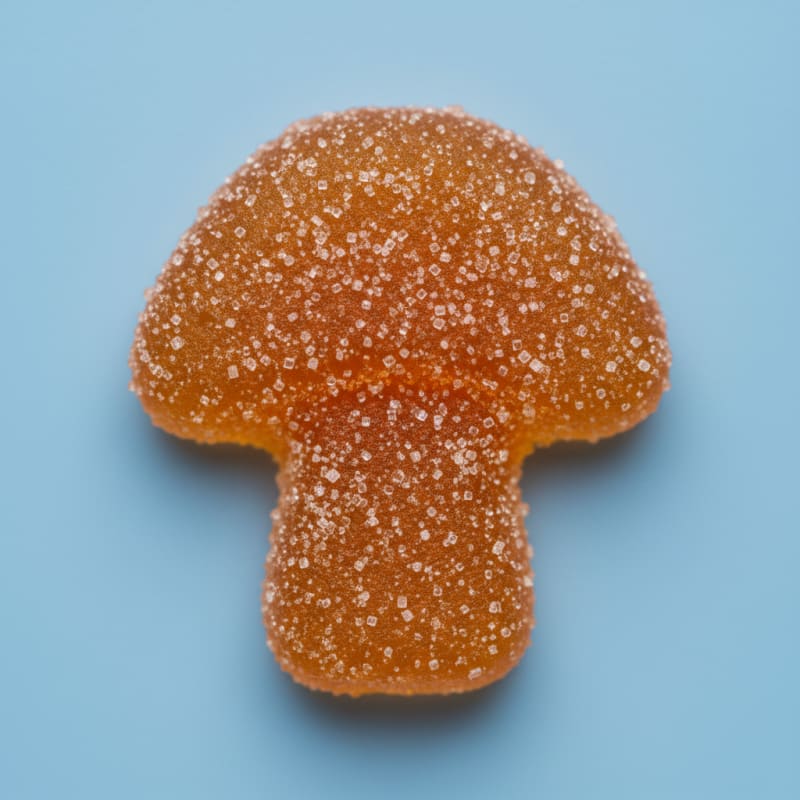
Recent survey data has pulled back the curtain on a practice that has been quietly gaining traction for years: psilocybin microdosing. A landmark 2026 study from the RAND Corporation revealed a staggering statistic: of the 11 million U.S. adults who used psilocybin in the past year, roughly two-thirds reported microdosing. This isn't a fringe activity; it's a mainstream phenomenon. The research suggests that nearly half of all days involving psilocybin use were microdosing days, signifying a fundamental shift in how people are engaging with psychedelics.
This widespread adoption is not being driven by doctors or pharmaceutical companies, but by individuals. It is a grassroots, user-led movement focused on wellness, cognitive enhancement, and mental health management. This large-scale, real-world experiment is running parallel to—and in many ways, outpacing—the world of formal clinical research, creating two distinct narratives around psilocybin use.
How Prevalent Is Microdosing?
Until recently, the scale of microdosing was a matter of speculation, discussed in online forums and anecdotal reports. The RAND study provided the first concrete data, and the numbers are significant. The finding that approximately 10 million U.S. adults microdosed psychedelics in 2025 confirms that taking sub-perceptual doses is a primary way that people use these substances.
The public consciousness often associates psilocybin with high-dose, ceremonial, or therapeutic "trips." While those applications are important and widely studied, the data shows a different reality for the average user. For many, psilocybin is not about profound, consciousness-altering experiences. Instead, it is a tool integrated into a regular wellness routine, similar to vitamins or supplements.
This trend is fueled by a desire for subtle, yet meaningful, improvements in daily life. Users report a wide range of perceived benefits:
Cognitive Enhancement: Increased focus, creativity, and problem-solving abilities. Mood Regulation: Alleviation of symptoms associated with depression and anxiety, and a general sense of well-being. Social & Emotional Fluency: Greater emotional openness, empathy, and improved interpersonal connection.
Why Has Microdosing Become So Widespread?
The rise of microdosing can be attributed to its accessibility and perceived lower risk profile. A full-dose psychedelic experience requires significant preparation, a safe and controlled environment (*set and setting), and ample time for both the experience and subsequent integration. Microdosing, by contrast, is designed to be non-disruptive. A sub-perceptual dose produces no intoxicating effects, allowing users to go about their daily responsibilities without impairment.
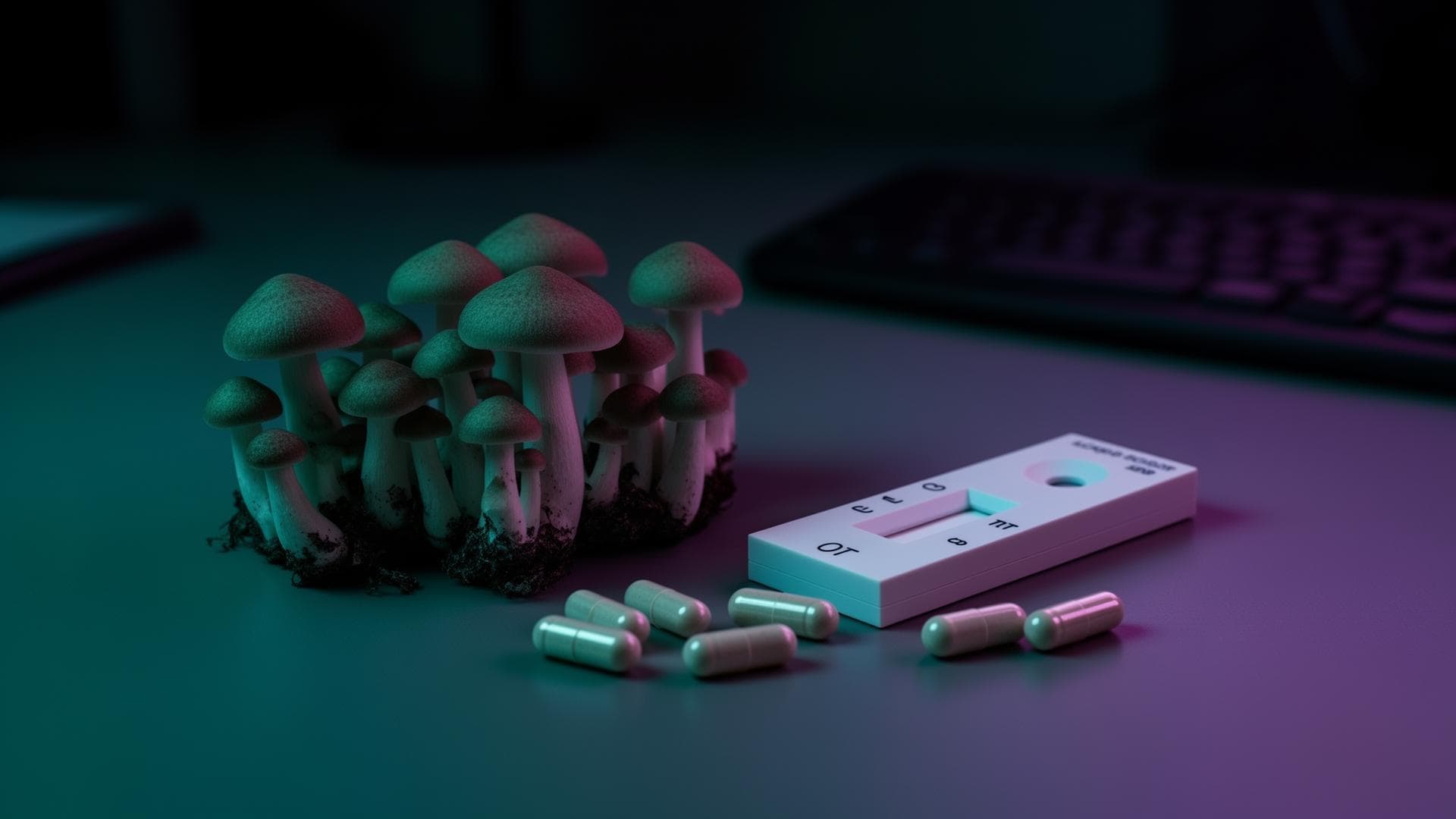
This ease of use has made it a popular entry point for individuals curious about the benefits of psilocybin but wary of a high-dose experience. The development of precisely dosed products, such as capsules and gummies available in our shop, has further simplified the process, removing the guesswork and inconsistency of working with dried mushrooms. Standardized products allow users to follow established protocols with confidence.
Speaking of protocols, the dissemination of information through online communities has been a major catalyst. Regimens like the Fadiman protocol (dosing once every three days) or the Stamets Stack (combining psilocybin with lion's mane mushroom and niacin) have provided users with structured frameworks to follow. You can learn more about these in our post on common microdosing schedules explained. This collective knowledge-sharing has empowered millions to embark on their own self-guided wellness journeys.
One product that aligns with this structured approach is our Core Microdose Capsules. They are designed for precision and consistency, containing a specific, sub-perceptual amount of psilocybin to support a regular microdosing regimen without interfering with daily life.
What Does This Real-World Use Mean for Science?
The massive, decentralized experiment in microdosing presents a challenge and an opportunity for the scientific community. While clinical research is slowly beginning to explore low-dose psilocybin, it is far behind user-led trends. The disconnect between research and real-world use is pronounced.
Clinical trials are methodical, controlled, and expensive. They must isolate variables to establish causality, a process that is difficult to apply to the nuanced, subjective effects of microdosing. The sheer volume of anecdotal reports from millions of users constitutes a massive dataset, but it is "noisy"—uncontrolled, self-reported, and subject to placebo effects. Researchers cannot simply accept these reports as clinical proof, but they can no longer ignore them.
For those who prefer a more flavorful and convenient format, our Clarity Cherry Gummies offer the same precise dosing in a palatable form. This kind of product innovation is a direct response to the needs and preferences emerging from the vast community of users.
This user-driven movement is actively influencing the direction of formal research. The overwhelming public interest is creating pressure on institutions to investigate the claims made by microdosers and to study psilocybin not just as a powerful therapeutic intervention for severe conditions, but also as a potential wellness tool for the general population.
The phenomenon of millions self-experimenting with microdosing underscores a public desire for new wellness strategies. This collective action is generating a wealth of observational data that science has yet to fully parse or validate.

ShroomDash Editorial Team
Published 2026-04-06 · 4 min read read · Dosing