High-Dose Studies vs. Microdosing: A Research Gap
Quick Summary
Clinical psilocybin research primarily focuses on high, single doses to treat severe conditions like depression. Meanwhile, millions of people practice microdosing for everyday wellness, creating a significant gap between the scientific and real-world application of psilocybin.
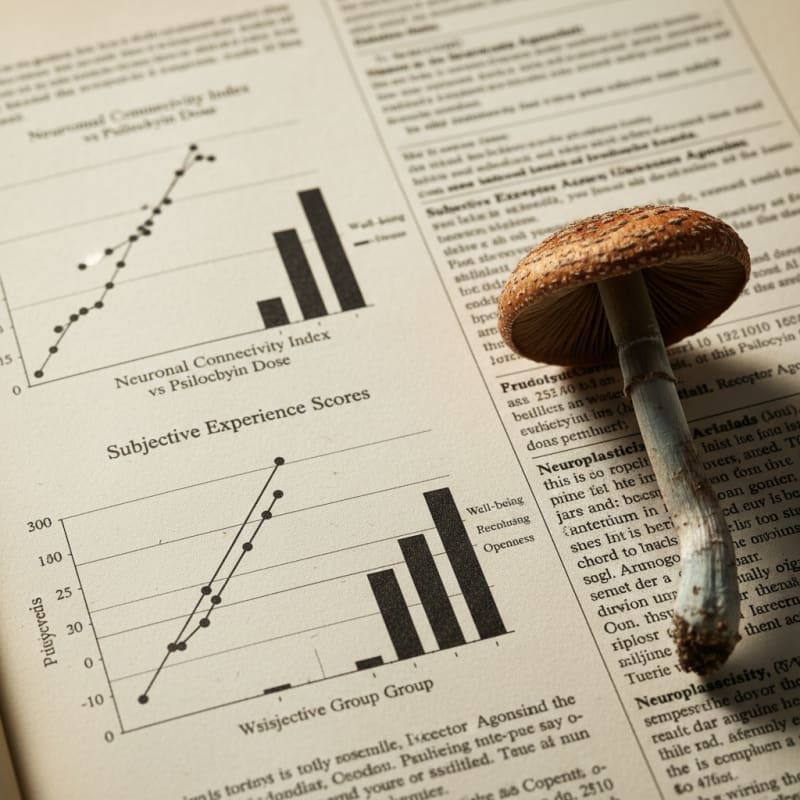
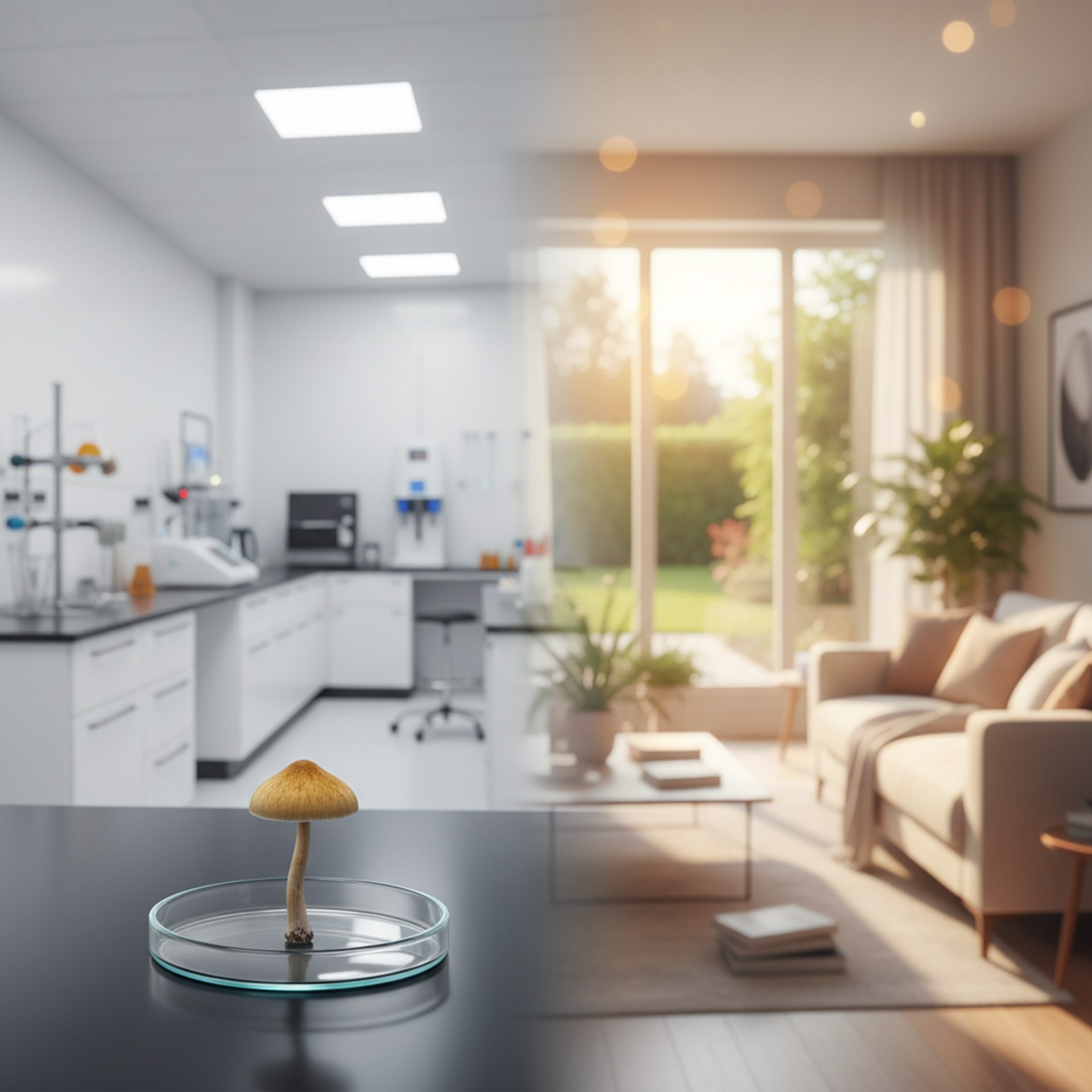
The conversation around psilocybin is split into two distinct, parallel tracks. On one side, you have headlines announcing millions in funding for institutions like Johns Hopkins and NYU, which are studying large, single doses of psilocybin to treat severe health conditions. On the other side, a recent RAND study shows that millions of adults are actively microdosing for subtler, everyday benefits.
These two worlds rarely seem to intersect. Clinical researchers focus on powerful, paradigm-shifting experiences under medical supervision, while the general public is increasingly adopting small, sub-perceptual doses as part of a wellness routine. This creates a significant gap between the formal, scientific understanding of psilocybin and its most common real-world application.
What Are Clinical Trials Actually Studying?
When you read about breakthrough psilocybin research, it is almost exclusively focused on high-dose, therapeutically supported sessions. Researchers at leading institutions are investigating psilocybin as a potential treatment for specific, often severe, conditions such as Major Depressive Disorder (MDD), end-of-life anxiety for terminal cancer patients, and substance addiction.
A typical clinical trial protocol involves administering a substantial dose—often equivalent to 20-30mg of pure psilocybin—in a controlled setting with trained psychotherapists present. The goal is often to catalyze a "mystical" or "peak" experience, which studies suggest may be correlated with positive therapeutic outcomes. The theory is that this powerful experience can help to "reset" rigid neural patterns, allowing a patient to break out of destructive mental loops associated with their condition. For more on this, our post on Psilocybin and Major Depressive Disorder offers more context.
This model is resource-intensive. It requires medical screening, extensive preparation sessions, a full day for the dosing session with at least two guides, and multiple integration sessions afterward. It is being pursued as a form of psychedelic-assisted *therapy, not a take-home prescription. The entire framework is built around creating a profound, life-altering event to treat a serious diagnosis.
Why Isn't Science Focused on Microdosing?
Given the widespread and growing interest in microdosing, it seems strange that it receives so little attention from major research centers. A 2026 RAND study highlighted this disconnect, reporting that nearly half of all psilocybin use days involved microdosing, with millions of people participating. So why doesn't the research follow the users?
The reasons are practical and methodological:
- Subtle Effects: By definition, a microdose is sub-perceptual, meaning it does not produce a noticeable psychedelic state. Its purported benefits—improved mood, enhanced creativity, better focus—are subtle and accumulate over time. These are notoriously difficult to measure with the standardized psychiatric scales used in clinical trials, which are designed to track significant reductions in major symptoms.
- The Placebo Problem: The power of expectation is enormous in an area as hyped as microdosing. A landmark 2021 study from Imperial College London conducted a "self-blinded" trial where participants prepared their own microdoses and placebos. The results found that the positive psychological outcomes were just as strong in the placebo group, suggesting that many of the benefits could be attributed to the placebo effect. While this doesn't disprove the efficacy of microdosing, it makes funding and conducting traditional, double-blind placebo-controlled trials a significant challenge.
- Varied Goals: Clinical trials need a single, clear "primary endpoint" to measure success, such as "reduction in depressive symptoms." People microdose for dozens of different reasons, from productivity to social ease to spiritual connection. This diversity makes it difficult to design a study that can capture the full spectrum of user-reported benefits.
- Funding Priorities: Research funding, both public and private, is overwhelmingly directed at finding effective treatments for diagnosable diseases. Wellness, cognitive enhancement, and general life improvement are not typically priorities for the medical establishment.
What Does the Popularity of Microdosing Tell Us?
The fact that millions of people continue to microdose, despite the lack of formal clinical validation, is significant. It tells us that a large segment of users are seeking something other than the profound, earth-shattering mystical experience pursued in clinical trials. They are not looking to treat a severe psychiatric condition in a single session; they are looking for a sustainable tool to improve the quality of their day-to-day lives.
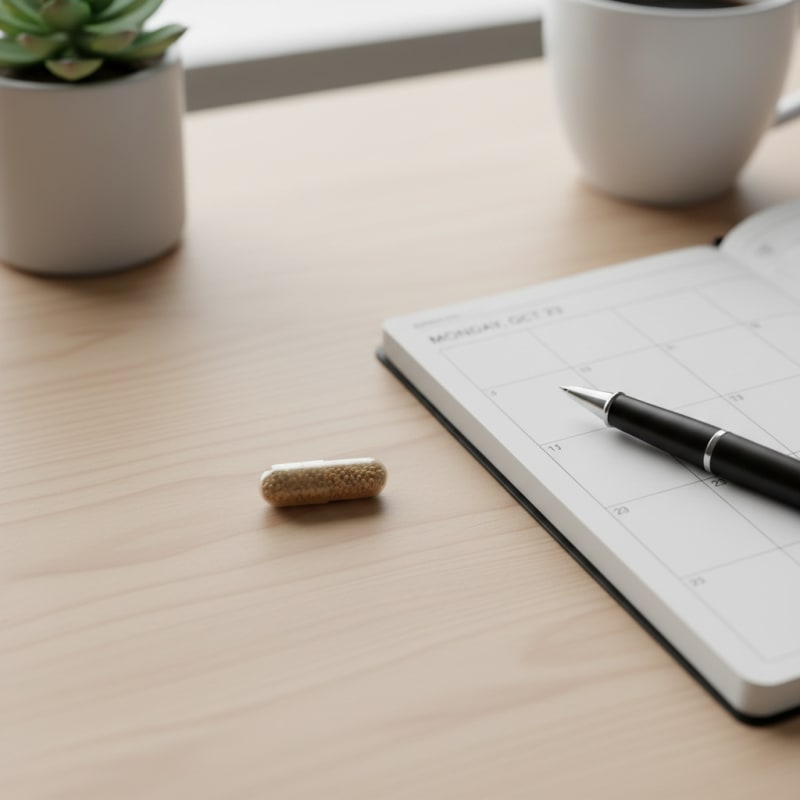
This user-driven movement suggests that the real-world applications of psilocybin are far broader than what the current medical model is exploring. For these users, consistency and reliability are paramount. When you are taking a small dose regularly, knowing the exact potency of your product is essential for achieving predictable and stable results. This is where precisely dosed products, like our Clarity Microdose Capsules (100mg), become critical. Each capsule contains a lab-verified 100mg of *psilocybe cubensis, providing a reliable foundation for any microdosing protocol. Our full range of psilocybin capsules offers various options for consistent dosing.
Many users also find that edibles offer a straightforward and palatable way to manage their intake. Our Orbit Gummies (125mg) provide another precisely dosed option, making it simple to track your consumption without the variability of dried mushrooms. You can explore our other gummy products for different doses and flavours.
Navigating the Two Worlds of Psilocybin
For consumers, it is crucial to understand this division between clinical research and real-world use. The findings from high-dose trials are promising, but they are based on a model that involves significant doses and professional therapeutic support—a combination that should not be attempted casually or alone.
Microdosing, on the other hand, remains a practice rooted in anecdotal reports and self-experimentation. The sheer scale of this movement, as shown by recent data, indicates a high degree of perceived value among users. For those exploring this path, the priority should be safety, consistency, and careful self-monitoring. Starting with a low dose from a trusted, lab-tested source and keeping a journal of the effects is a practical approach.
It is clear that the intense, therapeutic use of psilocybin and its gentle, wellness-oriented application are evolving along separate but parallel tracks. While science focuses on treating the storm of major mental illness, the public is quietly learning how to navigate the daily waves with more grace.

ShroomDash Editorial Team
Published 2026-03-03 · 4 min read read · Lab Science