
Clinical Trials vs. Real-World Mushroom Use
Quick Summary
Psilocybin research in clinical trials typically involves high, supervised doses to treat specific illnesses like depression. However, most people use psilocybin in small, regular microdoses for general wellness and cognitive benefits. This gap exists due to differences in funding, regulatory goals, and user intent between medical research and personal use.
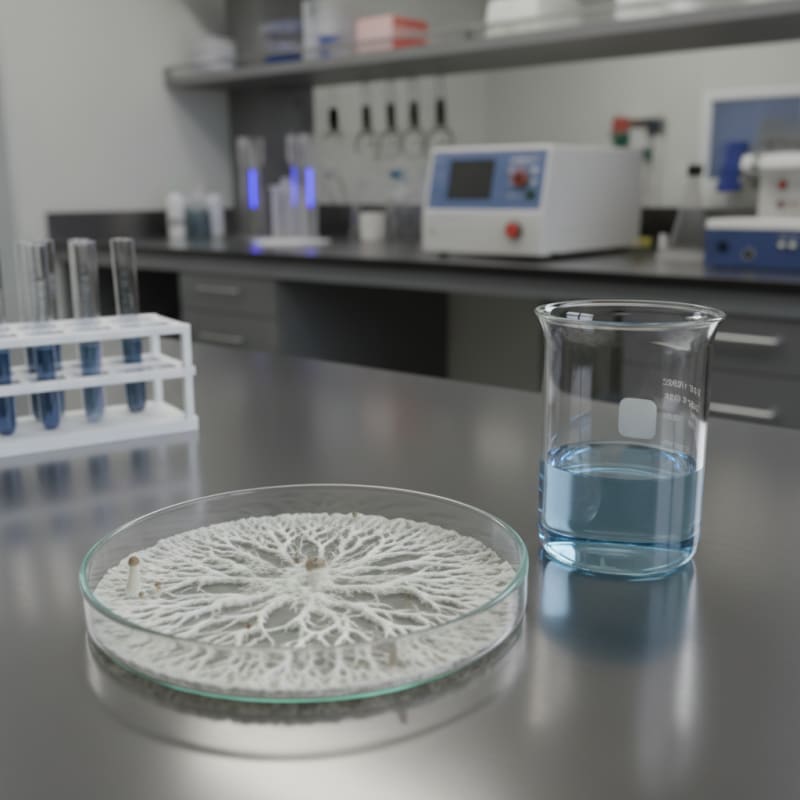
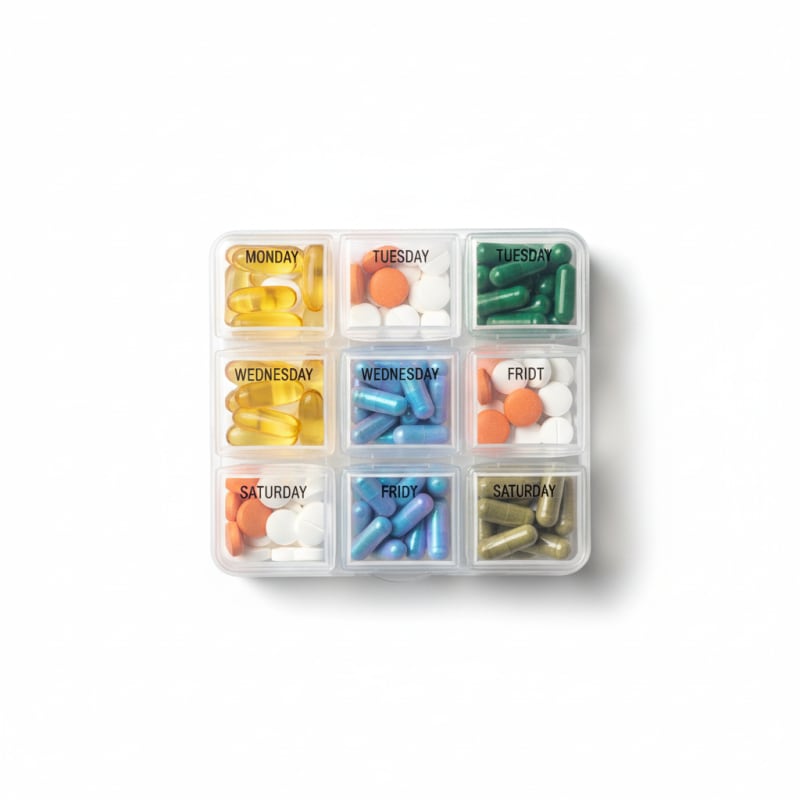
The landscape of psilocybin is shaped by two parallel currents: the highly controlled environment of clinical research and the vast, varied world of individual use. While institutions like the Johns Hopkins Center for Psychedelic and Consciousness Research make headlines with groundbreaking therapeutic studies, a recent RAND corporation study revealed that millions of adults are independently exploring psilocybin, primarily through microdosing. For every individual in a formal trial, thousands are navigating their own use based on community knowledge and product access.
This divergence isn't accidental; it reflects fundamental differences in goals, methods, and motivations. Clinical trials are building a case for psilocybin as a medically-administered treatment for specific, often severe, health conditions. Real-world users, on the other hand, are more often seeking general wellness, cognitive enhancement, or personal growth. Understanding the gap between these two worlds is essential for anyone considering psilocybin.
What Do Clinical Psilocybin Trials Actually Study?
Clinical psilocybin trials are designed with a singular, primary objective: to gain regulatory approval for psilocybin as a prescription medicine. This requires a rigorous, standardized approach that can be replicated and validated.
The typical model involves:
- High Doses: Trials almost exclusively use moderate to high doses of psilocybin (e.g., 20-30mg) intended to induce a powerful psychedelic experience. The therapeutic theory is that this altered state of consciousness, often described as mystical or ego-dissolving, can reset neural pathways and create a window for profound psychological change.
- Screened Participants: Volunteers are carefully selected based on specific criteria, usually a diagnosis of a particular condition like Major Depressive Disorder (MDD), PTSD, or addiction. They are screened for pre-existing conditions that could make a psychedelic experience risky.
- Guided Sessions: The psilocybin is administered in a controlled, clinical setting under the direct supervision of trained therapists or facilitators. The session is preceded by preparatory therapy and followed by integration sessions to help the participant process the experience. This model, often called Psychedelic-Assisted Therapy (PAT), frames the drug as a catalyst for therapy, not a standalone treatment.
- Specific Outcomes: Success is measured against predefined clinical endpoints, such as a statistically significant reduction in symptoms on a standardized depression scale. The goal is not to measure creativity or general well-being, but to prove efficacy for a diagnosable illness.
This entire structure is built to satisfy the requirements of bodies like Health Canada or the FDA. It prioritizes safety, control, and measurable data within a medical framework. It treats psilocybin as a powerful intervention for the sick, not a supplement for the well.
How Does Real-World Use Compare?
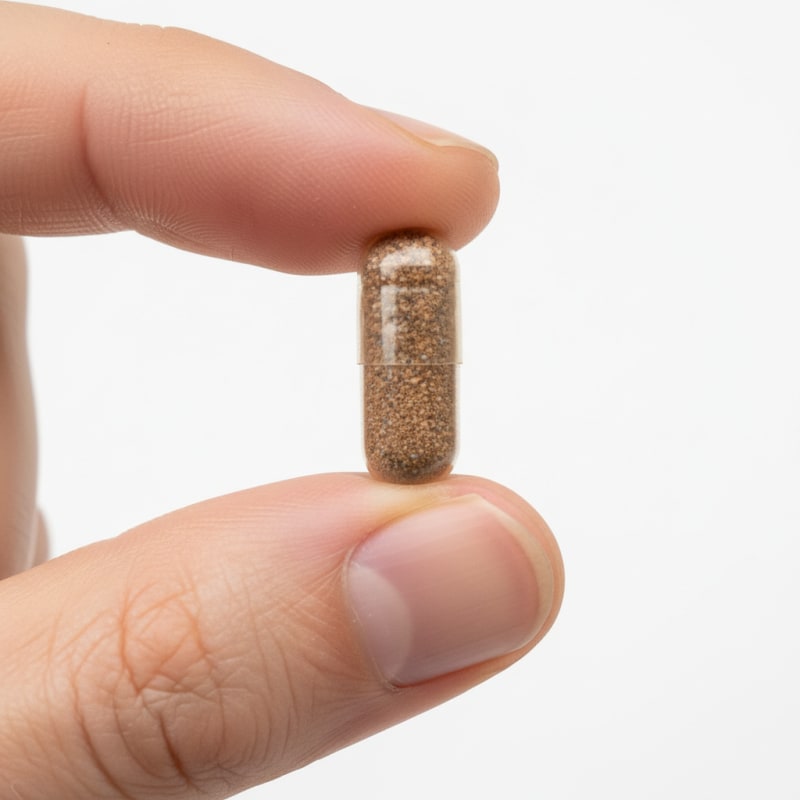
Real-world psilocybin use, as highlighted by the 2026 RAND study, is a starkly different picture. The data suggests that among people who use psilocybin, the majority have tried microdosing. This is the practice of taking a sub-perceptual dose—typically 50mg to 150mg—on a regular schedule. The intent is not to have a psychedelic experience, but to achieve subtle, cumulative benefits without intoxication or disruption to daily life.
The motivations for this are broad:
- Cognitive & Mood Enhancement: Many users report improved focus, increased creativity, and a more positive or stable mood.
- General Well-Being: Rather than treating a specific disease, the goal is often a subjective sense of improvement in quality of life.
- Reducing Other Substances: Some use microdosing to reduce their intake of caffeine, alcohol, or prescription antidepressants.
Unlike a clinical trial, real-world use is self-directed. Individuals determine their own dose, schedule, and purpose. While a trial participant has their substance provided and verified, a retail consumer must rely on trusted suppliers for product quality and consistency. For those managing their own wellness routines, the precision of capsules is key. Many users looking to integrate psilocybin into their lives turn to precisely dosed products they can find in an online shop.
This approach places the responsibility for education and safe use squarely on the individual. It requires understanding concepts like tolerance and the importance of a consistent schedule, topics often covered in practical guides on how to microdose properly.
Why Does This Gap Between Research and Reality Exist?
The chasm between the clinical and real-world models is not due to a lack of interest from scientists. Instead, it is a pragmatic result of scientific and regulatory systems.
First, clinical trials are incredibly expensive and time-consuming. Researchers must pursue funding, and that funding is almost always tied to proving a treatment for a recognized disease. It is far easier to secure a multi-million dollar grant to study psilocybin for severe depression than it is to study its effects on the creativity of healthy volunteers. The medical system is structured to solve problems, and "wellness" is not currently defined as a medical problem.
Second, the "gold standard" of clinical research, the randomized placebo-controlled trial, is notoriously difficult with psychedelics. At high doses, it is impossible for participants and researchers to remain "blind" as to who received the active drug. While this is less of an issue with microdosing, the subtle effects are harder to measure objectively than a reduction in depressive symptoms. For a deeper dive, you can read about why research often overlooks microdosing.
Finally, the user intent is fundamentally different. Clinical trials recruit patients seeking a cure. Real-world users are often healthy individuals seeking optimization. These are two distinct goals that naturally lead to different patterns of use. To meet the needs of the latter group, products like Focus Microdose Capsules have emerged, which blend a consistent microdose of psilocybin with other functional ingredients like Lion's Mane to support cognitive goals outside a medical context.
This separation means that the most robust scientific data is being generated for high-dose therapy, while the most popular method of consumption—microdosing—is primarily supported by anecdotal reports and observational data.
The current landscape shows a clear division: formal research is building a path for psilocybin as a powerful, doctor-prescribed intervention for specific illnesses. Simultaneously, a much larger population is already using it as a self-managed tool for enhancing day-to-day life.

ShroomDash Editorial Team
Published 2026-03-01 · 4 min read read · Lab Science