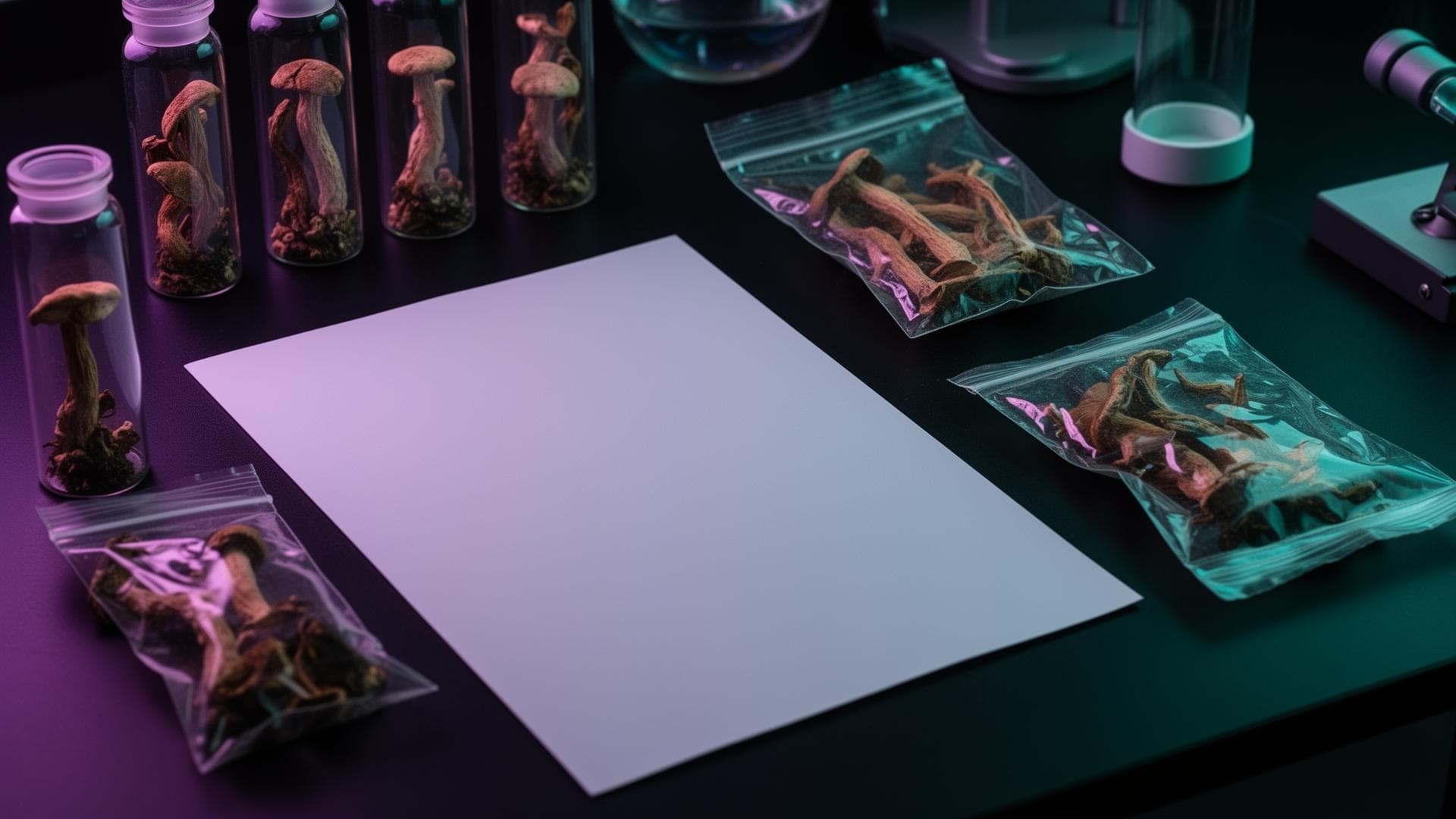

Clinical Microdosing Trials: What's Being Studied?
Quick Summary
While millions of people microdose psilocybin based on anecdotal reports, formal clinical research has been slow to investigate the practice. This is now changing, with government-approved clinical trials being launched to scientifically study the effects of at-home microdosing for conditions like anxiety. These studies are essential for providing clear data on the efficacy, safety, and proper dosing protocols for microdosing.

For years, the conversation around microdosing psilocybin has been driven by user anecdotes and media reports. Data suggests millions of people engage in the practice, taking small, non-perceptual doses of psychedelics in an effort to enhance creativity, mood, and focus. Despite this widespread "real-world" use, formal clinical research has been noticeably absent, focusing instead on the effects of large, professionally guided doses.
That landscape is beginning to change. Regulatory bodies and research institutions are now, for the first time, approving and launching clinical trials specifically designed to investigate the effects of at-home psilocybin microdosing. This marks a critical shift from anecdotal belief to a structured, scientific pursuit of evidence.
Why Has Microdosing Research Lagged Behind?
The lag in microdosing research isn't due to a lack of interest, but rather a combination of methodological, financial, and regulatory challenges. Historically, psychedelic research has prioritized high-dose, therapist-assisted sessions for conditions like severe depression or PTSD. These sessions produce profound, easily observable effects that are more straightforward to study in a controlled clinical environment.
Microdosing presents a more complex set of variables for researchers:
The Placebo Problem: The effects of microdosing are, by definition, sub-perceptual or subtle. This makes it incredibly difficult to distinguish the genuine effects of the substance from the powerful influence of placebo. A user who expects to feel more focused or less anxious may do so regardless of what is in their capsule. Designing a trial that can effectively control for this is a significant scientific hurdle. Methodological Complexity: How do you measure a slight increase in creativity or a subtle shift in mood? Researchers must develop and validate sensitive, objective tools to capture these nuanced changes, which is far more complex than measuring the resolution of severe depression symptoms after a high-dose experience. At-Home Use: Most microdosing happens in an uncontrolled, at-home setting. Clinical trials demand rigorous control, and monitoring participants in their daily lives introduces countless confounding variables, from diet and sleep to daily stress. Funding and Regulation: Securing funding for any psychedelic research is difficult. Given the challenges, institutions have been more likely to invest in high-dose studies that promise more dramatic, headline-grabbing results and potentially clearer therapeutic outcomes.
What Are the New Clinical Trials Investigating?
A landmark development in this area is the first-ever Health Canada-approved Phase 2a clinical trial for at-home psilocybin microdosing. Led by the Kingston Health Sciences Centre Research Institute, the study focuses on treating Generalized Anxiety Disorder (GAD).
This trial is specifically designed to address the questions that current microdosers are asking. It will provide participants with a daily micro-dose of psilocybin for at-home use over a four-week period. The primary goal is to determine if this regimen can safely and effectively reduce symptoms of anxiety without inducing any psychedelic effects. By enrolling up to 60 participants, this study will generate the first set of controlled data on the therapeutic potential of this practice for a specific mental health condition.
Similar studies are emerging globally, investigating microdosing for other conditions like depression and ADHD. These trials are crucial because they move beyond the simple "does it work?" and ask more specific questions, such as:
What is the optimal, most effective microdosing schedule for a given condition? What is the precise dose that provides benefits without impairment? Are there any long-term risks or side effects associated with regular microdosing?
Answering these questions requires the kind of rigorous, long-term study that individual users cannot perform themselves, and it is a necessary step to understanding the practice. For those interested in the various approaches people currently take, our microdosing schedule guide provides a detailed overview of popular protocols.
How Do Clinical Trials Account for Placebo?
The gold standard for clinical research is the double-blind, placebo-controlled trial. This design is essential for untangling the true effects of a drug from user expectation. In the context of a microdosing study, this works as follows:
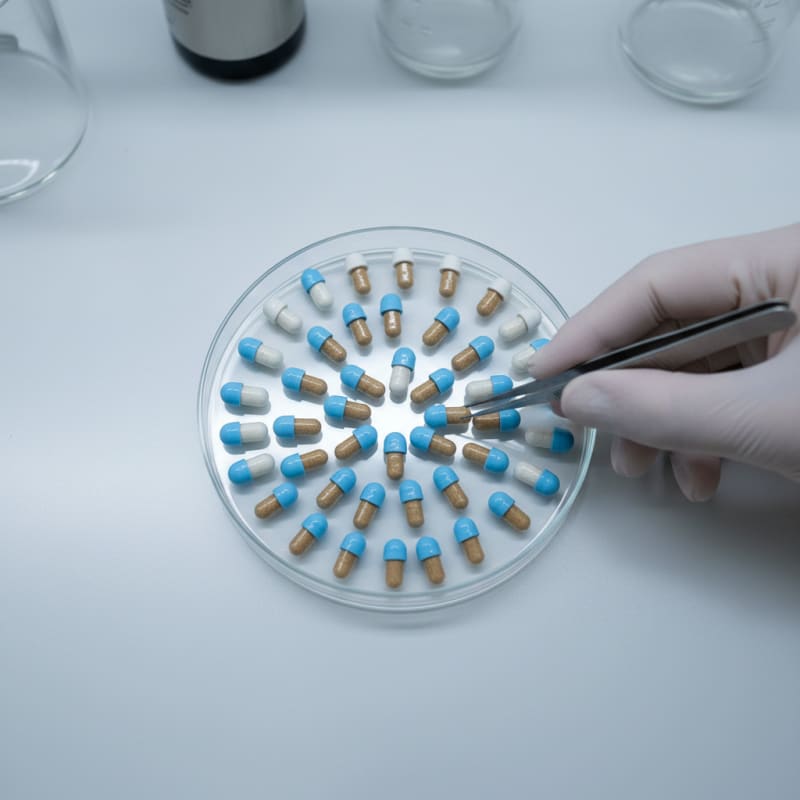
A group of participants is divided in two. One group receives capsules containing a precise micro-dose of psilocybin. The other group receives identical-looking capsules containing an inactive substance (a placebo). Crucially, neither the participants nor the researchers directly interacting with them know who is in which group until the study is over (this is the "double-blind" part).
Participants in both groups will complete questionnaires, cognitive tests, and clinical assessments throughout the trial. By comparing the outcomes between the active group and the placebo group, researchers can isolate the specific effects of the psilocybin. If the active group shows a statistically significant improvement in anxiety symptoms compared to the placebo group, it provides strong evidence that the treatment is effective.
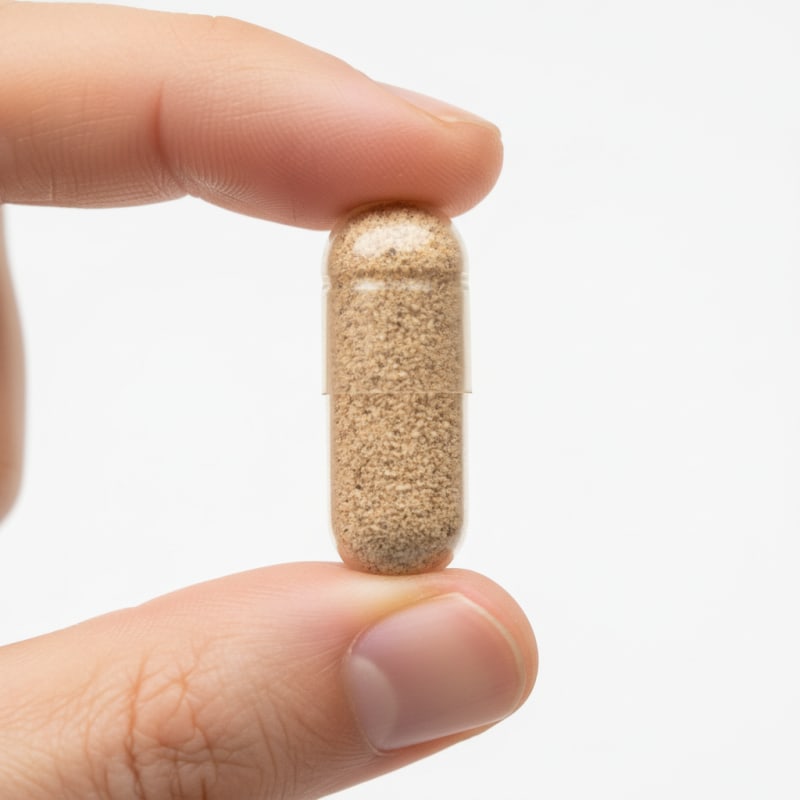
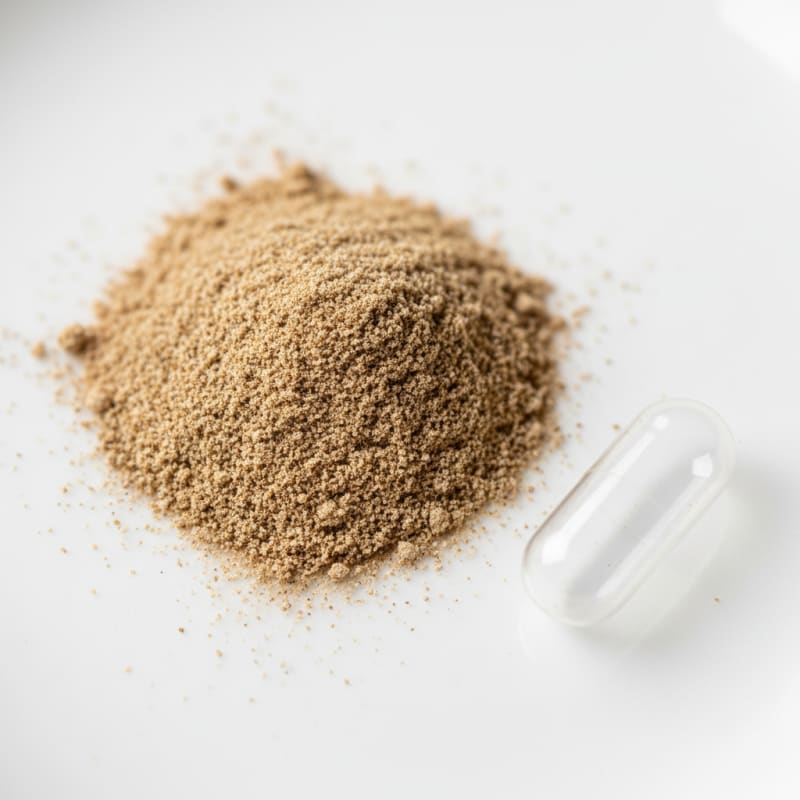
This level of scientific rigour is why clinical trial results are so valuable. It’s also why relying solely on lab-tested products with guaranteed potency is so important for anyone trying to manage their own use. Products like precisely measured psilocybin capsules are designed to deliver a consistent and predictable amount of active ingredient, which is the foundation of any reliable dosing regimen.
What Does This Mean for the Average User?
The launch of formal clinical trials is a sign that the medical and scientific communities are taking microdosing seriously. While the process of clinical validation is slow—often taking many years to move from initial studies to approved treatments—it is a vital one.
For the millions of people already microdosing, this research will eventually provide clarity. It has the potential to validate the benefits many report anecdotally and will provide crucial data on safety, proper dosing, and which conditions the practice is most likely to help. Companies can use this data to create better, more effective products, and individuals can make more informed decisions.
One product that aligns with a precise, controlled approach is the Core 100mg Microdose Capsule. It's designed with consistency in mind, providing a specific 100mg dose of *Psilocybe cubensis that allows for the kind of structured protocol being examined in clinical trials.
The emergence of placebo-controlled clinical trials for microdosing marks a significant step in moving the practice from the realm of anecdotal belief to evidence-based science.

ShroomDash Editorial Team
Published 2026-02-28 · 5 min read read · Lab Science