Amanita Muscaria: What It Is & Why It's Trending
Quick Summary
An estimated 3.5 million adults are using Amanita muscaria, a mushroom that contains muscimol and ibotenic acid, not psilocybin. Due to its active compounds not being scheduled substances, it is sold in a legal grey area without regulatory oversight for safety or potency. Its effects are primarily sedative and dream-like, which is fundamentally different from the classic psychedelic experience associated with psilocybin.
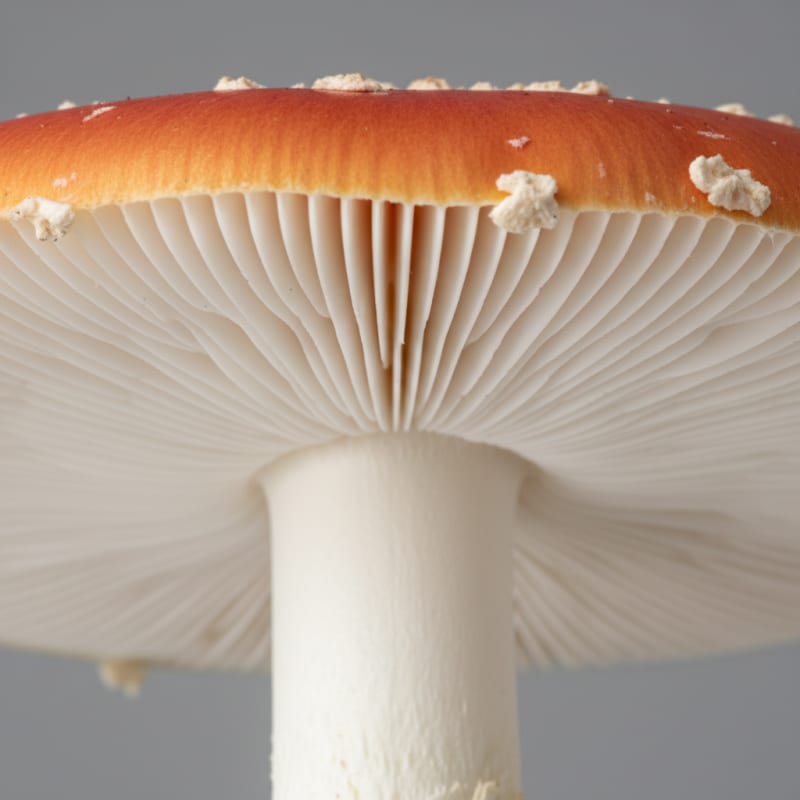
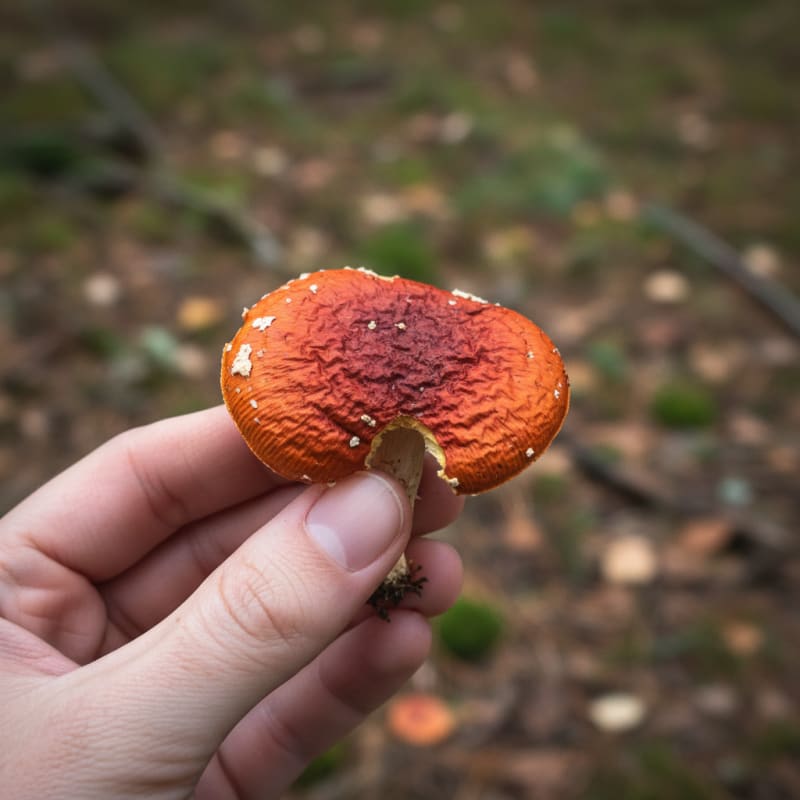
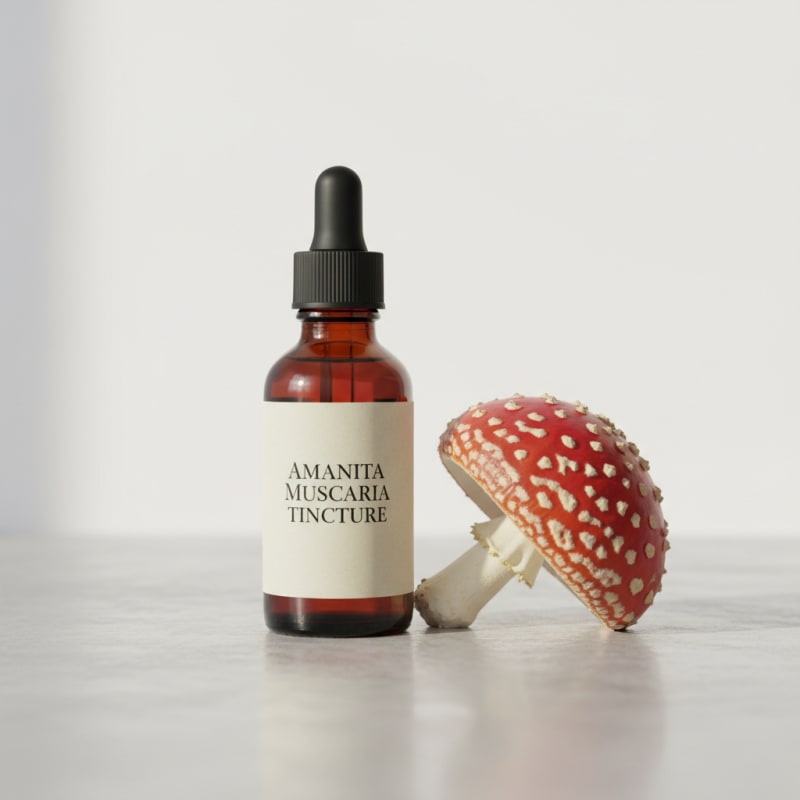
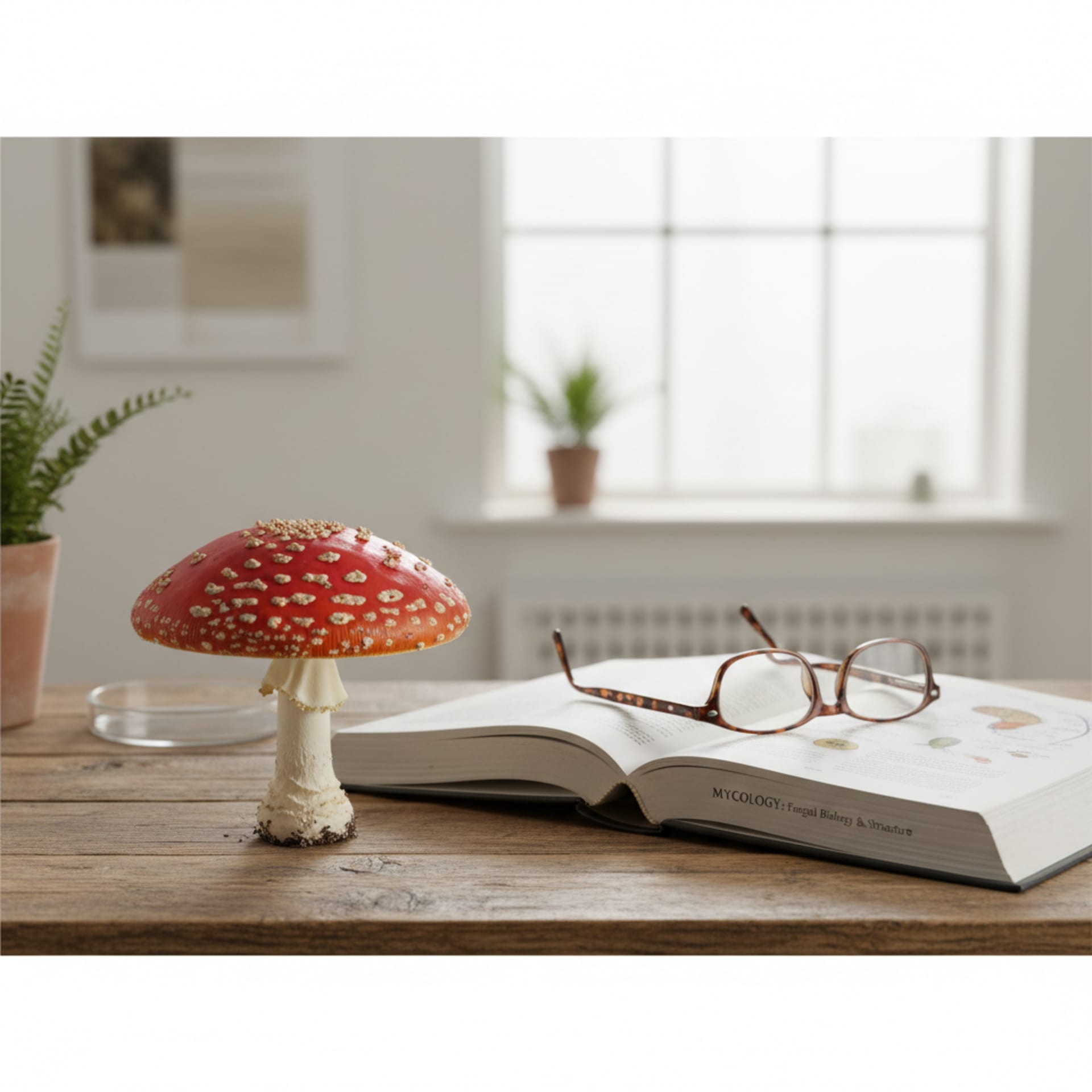
Recent data has illuminated a fascinating trend in the world of psychoactive substances: the rising popularity of Amanita muscaria. A 2026 RAND study revealed that approximately 3.5 million U.S. adults used this iconic, red-and-white-capped mushroom in the past year. What makes this statistic particularly noteworthy is that Amanita muscaria, despite its common "magic mushroom" association, contains no psilocybin or psilocin. Its effects, chemistry, and legal status are entirely distinct from the *Psilocybe species that companies like ShroomDash specialize in.
The mushroom's visibility in online marketplaces and head shops has grown exponentially, largely because it occupies a legal grey area. This article provides a factual overview of *Amanita muscaria, exploring its active compounds, its unique legal standing, and why it has captured the interest of so many consumers.
What Are the Active Compounds in *Amanita muscaria?
The primary psychoactive compounds in Amanita muscaria are not psilocybin and psilocin, but rather ibotenic acid and muscimol. This is the single most important distinction to understand. While psilocybin primarily interacts with the brain's serotonin system, the compounds in Amanita work on a completely different neural pathway.
Here’s a breakdown:
- Ibotenic Acid: This is the primary compound found in the raw mushroom. It is a potent neurotoxin that can cause unpleasant effects like nausea, vomiting, confusion, and muscle spasms. Importantly, ibotenic acid is a prodrug to muscimol, meaning it converts into muscimol in the body or through specific preparation methods.
- Muscimol: This is the compound responsible for the desired psychoactive effects. Unlike ibotenic acid, muscimol is not considered a potent neurotoxin. It is a selective agonist for the GABA-A receptor, the brain's primary inhibitory neurotransmitter system. This mechanism of action is more similar to alcohol or benzodiazepines than it is to classic psychedelics like psilocybin, which is a key reason how psilocybin mushrooms affect serotonin receptors leads to such a different experience.
Proper preparation is critical for reducing the potential harms of consuming *Amanita muscaria. Historically, this involved methods like drying or simmering the mushrooms in water, which facilitates decarboxylation—the chemical process that converts the undesirable ibotenic acid into the desired muscimol. Without this conversion, the experience is more likely to be dominated by toxic side effects.
Why Is *Amanita muscaria Legally Available?
The primary reason *Amanita muscaria products, such as gummies and dried caps, are sold openly online and in some retail stores across Canada and the U.S. is simple: it does not contain any scheduled substances. Drug laws, such as Canada's Controlled Drugs and Substances Act, are highly specific. They outlaw psilocybin and psilocin, but make no mention of ibotenic acid or muscimol.
This legal oversight has created an unregulated market. Sellers can market *Amanita products without breaking drug laws, leading to a boom in consumer availability. However, this lack of regulation presents significant risks:
- No Potency Standards: The concentration of ibotenic acid and muscimol can vary dramatically from one mushroom to another. Without third-party lab testing and manufacturing standards, the potency of a given product is impossible to verify.
- Inconsistent Preparation: There is no guarantee that commercially available products have been properly decarboxylated to convert toxic ibotenic acid into muscimol. A poorly prepared product could contain high levels of ibotenic acid, leading to a negative and potentially harmful experience.
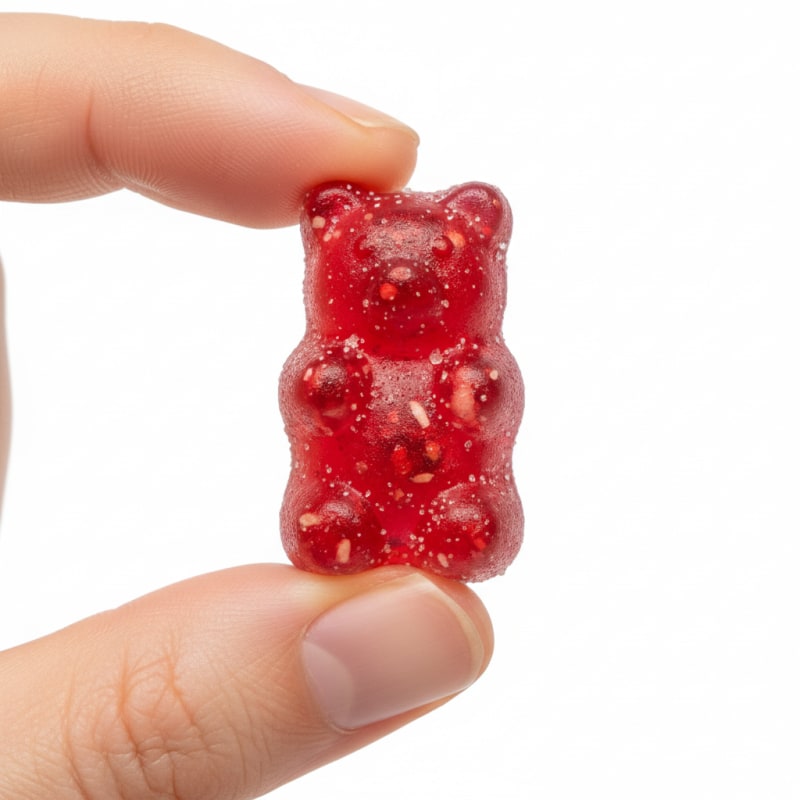
- Misleading Marketing: Many products are sold in familiar formats like brightly coloured mushroom gummies, which may lead consumers to believe they are psilocybin edibles. This confusion is a significant public health concern, as the effects and risk profile are entirely different.
This situation is a clear case of "buyer beware." The onus is on the consumer to understand what they are purchasing, as there are no government bodies overseeing the safety, consistency, or accurate labelling of these products.
How Do Its Effects Differ From Psilocybin?
The experience induced by *Amanita muscaria is fundamentally different from that of psilocybin mushrooms. Due to muscimol's effect on the GABAergic system, the effects are often described as sedative, dream-like, and intoxicating.
Users frequently report:
- A sense of inebriation and poor coordination.
- Distortions in perception, particularly regarding size and distance.
- A looping, trance-like state of mind.
- Sedation, and often, a deep and vivid dream-filled sleep.
By contrast, psilocybin is known for its classic psychedelic effects, which tend to be more mentally and emotionally stimulating. A psilocybin experience is often characterized by introspection, enhanced emotional states, complex geometric visuals (with eyes open or closed), and a profound sense of connection or insight. While both substances alter consciousness, psilocybin is typically an energizing and clarifying experience, whereas muscimol is sedating and dream-like.
For those seeking a classic introspective and visual psychedelic journey, a product derived from Psilocybe cubensis mushrooms is far more appropriate. For example, our Golden Teacher Capsules are made from one of the most well-known Psilocybe strains, formulated for predictable dosing and effects centered on psilocybin's interaction with serotonin receptors.
The rise in popularity of *Amanita muscaria is a direct result of its unique legal status. It has created a pathway for a psychoactive mushroom to enter the mainstream market without the regulatory hurdles faced by psilocybin. This trend underscores a growing public curiosity for all types of fungi, but it also highlights the critical importance of chemical literacy and understanding the distinct differences between these substances.

ShroomDash Editorial Team
Published 2026-03-18 · 4 min read read · Guides