
Why People Microdose Psilocybin
Quick Summary
Recent studies show millions of adults are microdosing psilocybin, making it a more common practice than high-dose use. Users take sub-perceptual doses not to "trip," but to enhance focus, creativity, and mood as part of their daily routine. This approach contrasts with clinical research, which primarily studies high doses for treating specific mental health conditions.
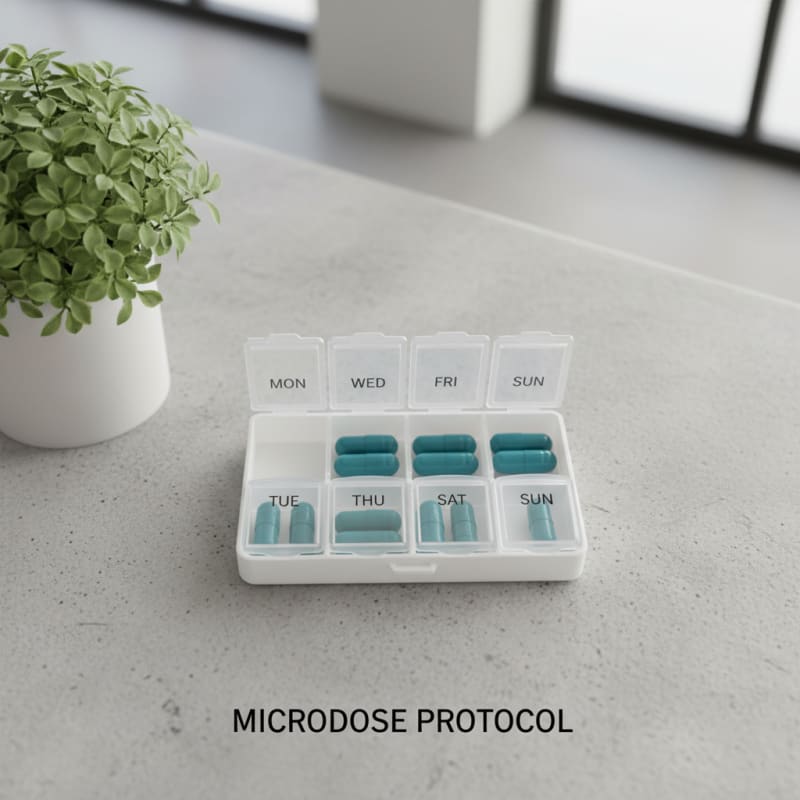


Recent data reveals a significant trend in psychedelic use: millions of people are choosing to microdose. A 2026 RAND study highlighted that among past-year psilocybin users, about two-thirds reported microdosing, and these small doses accounted for nearly half of all psilocybin usage days. This pattern stands in contrast to the high-dose, clinically supervised sessions that dominate media headlines and scientific research. The reality of psilocybin use for most people is not a full-blown psychedelic journey but a subtle, integrated part of their routine.
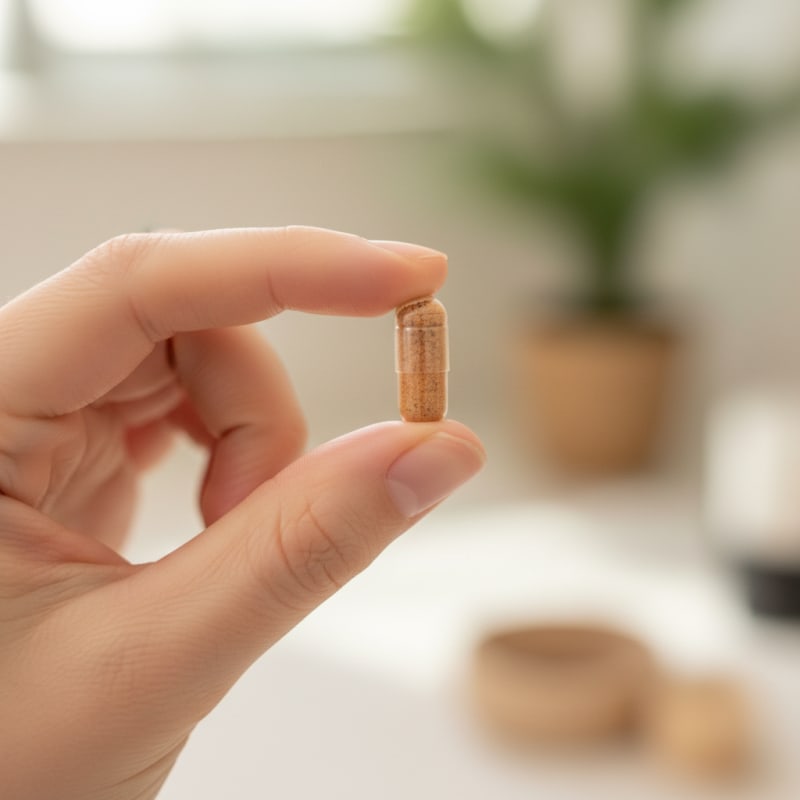
The fundamental distinction lies in intent and outcome. High-dose sessions are designed to induce profound, often transformative, altered states of consciousness. Microdosing, by contrast, involves taking a sub-perceptual dose—typically one-tenth to one-twentieth of a recreational dose—with the goal of enhancing normal waking consciousness. Users aren't seeking to "trip"; they are seeking to improve their day-to-day experience of life, an approach that prioritizes integration over interruption. This helps explain why many prefer the convenience of measured products like mushroom capsules over other formats.
What Is the Goal of Microdosing?
The primary objective of microdosing is not to escape reality but to enhance it. Users typically report a range of subtle but meaningful shifts in their daily experience. The dose is intentionally kept below the perceptual threshold, meaning it does not produce the significant visual, auditory, or cognitive distortions associated with a full dose. The aim is to achieve benefits without impairing one's ability to perform routine tasks like working, socializing, or studying.
Commonly reported motivations and desired outcomes include:
- Cognitive Enhancement: Many users report improved focus, mental clarity, and problem-solving abilities. The feeling is often described as a "flow state" where concentration becomes more effortless.
- Creativity Boost: Artists, writers, engineers, and other professionals often microdose to overcome creative blocks and explore new perspectives in their work.
- Emotional Balance: Users frequently cite improved mood, a more optimistic outlook, and greater emotional regulation. It is often used to mitigate symptoms of anxiety and depression in a manageable way.
- Social Connection: Some report feeling more open, empathetic, and present in their interactions with others, leading to a greater sense of connection.
Unlike a high-dose experience, which requires significant preparation and a dedicated day for the session and recovery, a microdosing protocol is designed to fit seamlessly into a person's existing life.
Why Is Microdosing More Common Than High-Dose Use?
The prevalence of microdosing, as quantified by the RAND study, points to its accessibility and lower perceived risk. A high-dose psilocybin experience is a significant undertaking that demands careful consideration of set and setting and often requires a trusted sitter and a full day of commitment. For many, the intensity and logistics of such an experience are impractical or intimidating.
Microdosing offers a lower-barrier entry point to the potential benefits of psilocybin. The sub-perceptual nature of the dose means the risk of a challenging or overwhelming experience is substantially lower. This makes it a more appealing option for individuals who are curious about psilocybin but cautious about its powerful psychoactive effects. Furthermore, it aligns with a modern wellness culture that emphasizes optimization and incremental improvements. For those looking for a consistent and easy method, our Cognito Microdosing Capsules provide a precisely measured dose, removing the guesswork involved in handling raw mushrooms.
The practice fits into a weekly routine, often following a protocol like one day on, two days off, to prevent tolerance buildup. This structured approach allows individuals to observe the effects on their performance and well-being over time while maintaining their personal and professional responsibilities.
How Does This Trend Compare to Clinical Research?
There is a noticeable divergence between how psilocybin is used in the real world versus how it is studied in clinical settings. Most formal, government-funded research, such as the studies informing FDA-approved therapies, has focused on high-dose psilocybin for treating specific, often severe, conditions like Major Depressive Disorder (MDD), Post-Traumatic Stress Disorder (PTSD), and end-of-life anxiety.
These studies leverage the powerful, consciousness-altering effects of a full dose to catalyze profound psychological breakthroughs within a therapeutic framework. The results have been groundbreaking, but they represent a very different application of psilocybin than the one being practiced by millions of microdosers. While clinical trials prioritize dramatic intervention for diagnosed conditions, everyday users are often seeking general wellness and performance enhancement.
The scientific community is beginning to take notice. Grants from major institutions like the NIH to research psychedelic use are expanding, and some of this new research is starting to investigate the effects and prevalence of microdosing. However, the bulk of evidence for microdosing remains anecdotal. The contrast is stark: clinical settings explore psilocybin as a powerful, acute intervention, while the general public is largely using it as a subtle, chronic supplement.
This is not to say one approach is better than the other. High-dose therapy has the potential to bring immense relief to those with serious mental health conditions. Microdosing, on the other hand, offers a more accessible tool for a broader population seeking to improve their quality of life. The two worlds of psilocybin use—high-dose clinical and low-dose real-world—are simply optimized for different goals. Both reflect a growing interest in the fungi kingdom's potential to impact human consciousness and well-being. For those new to psilocybin, understanding the different strains available can also be a helpful step, which is detailed in our beginner guide to mushroom strains.

ShroomDash Editorial Team
Published 2026-03-24 · 4 min read read · Microdosing