
What The Media Misses About Microdosing
Quick Summary
Mainstream media coverage of psilocybin focuses heavily on high-dose clinical trials, creating a skewed perception of its use. This narrative overlooks the reality that millions of people use psilocybin through microdosing, taking sub-perceptual doses for cognitive enhancement and general well-being rather than for intense therapeutic interventions.
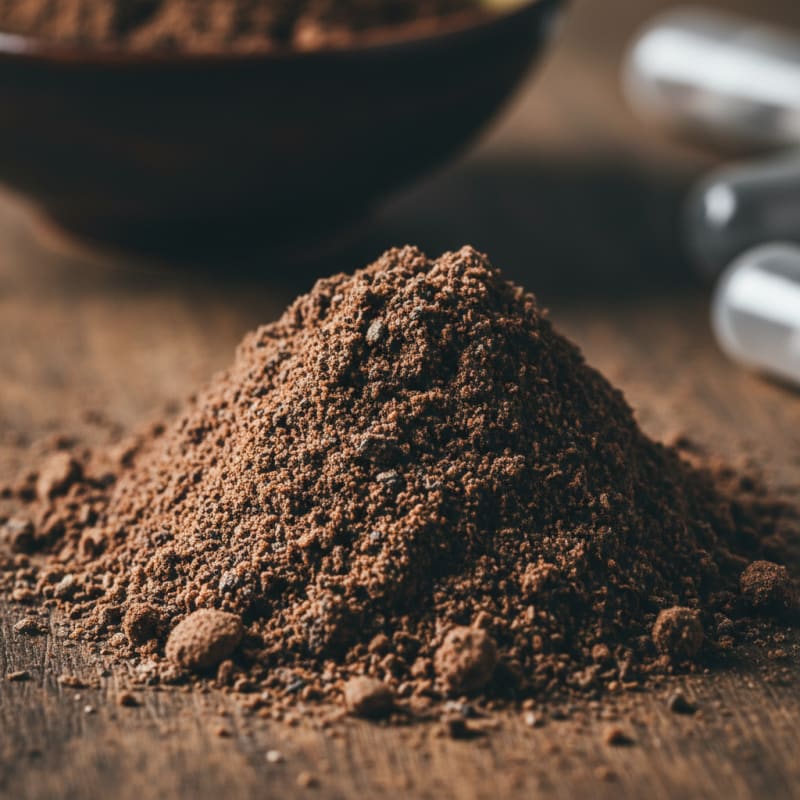
Recent years have seen a surge in mainstream media coverage of psilocybin. Stories often fall into one of two categories: reports on groundbreaking clinical research using high, single doses to treat profound mental health conditions, or cautionary tales about the risks of unsupervised use. While this coverage has fueled public curiosity, it consistently overlooks the most common and widespread application of psilocybin today: microdosing.
A recent RAND study brought this reality into sharp focus, suggesting that for every individual participating in a high-dose clinical trial, there are thousands more integrating sub-perceptual doses into their regular wellness routines. News reports on psilocybin from major outlets often highlight the dramatic, life-altering mystical experiences induced by large doses in a therapeutic setting. They speak of "ego death" and breakthroughs in treating conditions like Major Depressive Disorder and addiction. This is important, valuable research. However, its dominance in the public narrative paints an incomplete and skewed picture of how psilocybin is actually being used by millions of people in North America. The story of psilocybin isn't just one of clinical intervention; it's a much larger story of subtle, self-directed wellness.
Why Does Media Coverage Focus on High-Dose Studies?
The media's preference for high-dose clinical trials is understandable from a journalistic and scientific perspective. These studies offer clear, compelling narratives with measurable outcomes, making them highly newsworthy. They fit neatly into the established framework of pharmaceutical research, which is a structure that journalists and the public already comprehend.
Several factors contribute to this focus:
- Dramatic Results: High-dose sessions can produce profound psychological experiences that are often described as life-changing by participants. These stories are inherently more dramatic and engaging than the subtle, cumulative effects of microdosing. Headlines about curing depression in a single session are more eye-catching than reports on slightly improved focus over several months.
- Established Research Models: The clinical trial framework is the gold standard for medical research. Studying a single, high dose in a controlled, supervised environment is logistically simpler and generates cleaner data than studying a self-administered, long-term microdosing regimen. It's easier to establish cause and effect.
- Significant Therapeutic Targets: The conditions being targeted in these trials, such as treatment-resistant depression and end-of-life anxiety, are serious public health issues. The prospect of a powerful new tool to combat them is justifiably a major news story.
- Regulatory Pathways: Researchers and companies pursuing drug approval need to follow the rigorous, multi-phase clinical trial process. As a result, the bulk of institutional funding and formal research is directed towards this high-dose model, which in turn generates the most data and press releases.
This confluence of factors means the public is primarily shown a very specific, clinical, and intense version of psilocybin use. This doesn't reflect the day-to-day reality for the vast majority of users.
What Does Real-World Psilocybin Use Actually Look Like?
Contrary to the media narrative, the typical psilocybin user is not a patient in a clinical trial. They are more likely to be a working professional, a creative, a student, or a parent seeking a subtle cognitive or emotional edge. Their use is not about inducing a mystical experience but about achieving incremental improvements in their daily lives. The primary goal is enhancement, not intervention.
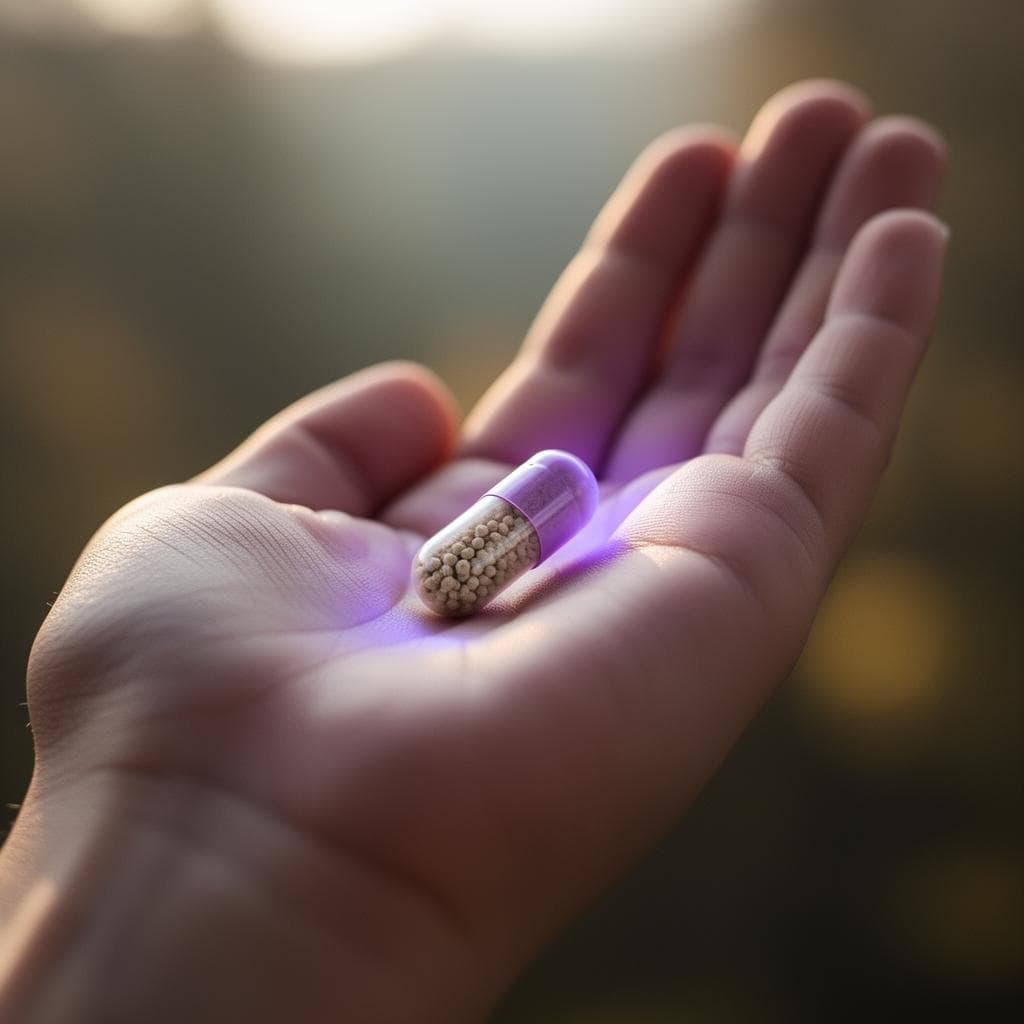
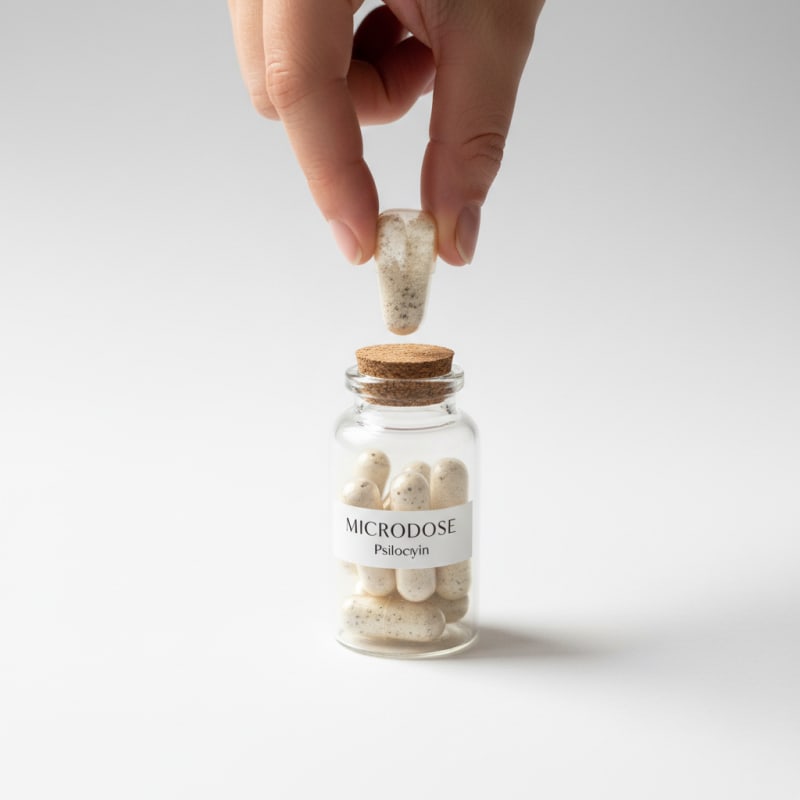
This form of use is called microdosing, and it involves taking a dose so low that it does not produce any intoxicating or psychedelic effects. More details about this can be found in our post on what defines a sub-perceptual microdose. A typical microdose is roughly 5% to 10% of a full recreational dose, usually between 50 and 100 milligrams of dried *Psilocybe cubensis. At this level, the user feels no significant alteration in perception, mood, or cognitive function. Instead, the reported effects are subtle and build over time, including:
- Increased focus and concentration
- Enhanced creativity and problem-solving abilities
- Improved mood and emotional regulation
- Reduced anxiety and stress
- Greater presence and mindfulness
For these individuals, consistency and precision are paramount. They aren't seeking a one-time spiritual overhaul; they are cultivating a sustained state of improved function. This is why many experienced users gravitate towards precisely formulated products like capsules over raw, unprocessed mushrooms, where potency can vary significantly from one mushroom to the next.
How Do People Actually Microdose?
Because it falls outside the clinical framework, microdosing has evolved through community knowledge and shared experience. Users typically follow a structured schedule, or protocol, to prevent building a tolerance and to track the effects systematically. While there is no single universally accepted method, a few popular protocols have emerged.
The most common is the Fadiman Protocol, named after Dr. James Fadiman. It involves taking one microdose every three days (Day 1: Dose, Day 2: Observe, Day 3: Rest). This cycle allows the user to notice the effects on the dosing day, observe any lingering effects on the following day, and return to baseline on the third day to prevent tolerance. For those interested in the specifics, our microdosing schedule guide provides a detailed overview.
To manage this process effectively, precision is key. A few milligrams can be the difference between a sub-perceptual dose and an unwanted distraction. This is why products that offer exact dosing are essential for a consistent microdosing practice. Our Core Microdose Capsules, for example, provide a precise 100mg dose of *Psilocybe cubensis, removing the guesswork and variability associated with using raw mushrooms. For anyone serious about a microdosing regimen, exploring professionally prepared mushroom capsules is a logical step.
The quiet, disciplined, and methodical nature of this practice stands in stark contrast to the dramatic, high-stakes image of psilocybin often portrayed in the news. It is wellness-oriented, self-managed, and integrated into daily life. The gap between the media’s portrayal and this widespread reality is not just a matter of semantics. This disconnect has tangible consequences for public understanding, personal safety, and future policy decisions. The current media and research focus leaves the vast majority of psilocybin users without science-backed guidance, relying instead on anecdotal reports to inform their choices.
The narrative of psilocybin is still being written, and at present, the most common chapter—the one about its use as a subtle tool for daily wellness—remains largely absent from the mainstream conversation.

ShroomDash Editorial Team
Published 2026-03-12 · 5 min read read · Microdosing