
The Reality of Psilocybin Use Is Microdosing
Quick Summary
New data from a 2026 RAND study reveals the massive scale of microdosing in North America, showing nearly half of all psilocybin 'use days' involve microdoses. This reality of widespread, low-dose use contrasts sharply with the public and research focus on high-dose 'trips.'

A landmark 2026 study from the RAND Corporation has provided the clearest picture yet of psychedelic use in North America, and the data confirms a foundational shift in how people use psilocybin. The findings are not ambiguous: for every person taking a high-dose journey, there is another person—or several—integrating psilocybin into their lives through microdosing. According to the research, an estimated 10 million U.S. adults microdosed in 2025.
This data quantifies a trend that has been developing for years. While media headlines and clinical research often focus on large, perception-altering "trip" experiences, the day-to-day reality of psilocybin use is far more subtle. The study revealed that of the more than 200 million days of psilocybin use reported, nearly half involved microdosing. This suggests that low-dose, repeated use is not a fringe activity but a core component of the modern psychedelic landscape.
What Does "Millions of Microdosers" Actually Mean?
The scale of microdosing is significant. The RAND study found that among adults who consumed psilocybin in the past year, approximately two-thirds reported microdosing at least once. This indicates that the majority of existing psilocybin users are at least experimenting with low-dose protocols.
To understand the impact, it’s helpful to think in terms of "use days." A high-dose session might be a single use day for an individual once every few months. In contrast, a microdosing protocol often involves taking a sub-perceptual dose two or three times a week. When millions of people adopt this kind of schedule, the number of use days quickly rivals, and in this case nearly equals, the total number of high-dose sessions. The data shows two distinct worlds of psilocybin use:
- High-Dose Use: Characterized by infrequent, large doses intended to produce a powerful psychedelic experience. This model is often explored for therapeutic breakthroughs in clinical settings.
- Microdosing Use: Involves taking a fraction of a typical dose (usually 50-250mg) with the intention of achieving subtle, sub-perceptual benefits without a disorienting experience. This is by far the more common application in a wellness or personal development context.
The fact that nearly half of all psilocybin consumption days are microdosing days demonstrates that the public has largely embraced a method of use that prioritizes integration and routine over intense, occasional experiences.
Why Has Microdosing Become So Widespread?
The popularity of microdosing stems from its accessibility and different intention. Unlike a high dose, which requires significant preparation, a dedicated day, and often a controlled environment, a microdose is designed to fit into a person’s existing life. The goal is not to "trip" but to potentially enhance mood, creativity, or focus, or to alleviate symptoms of anxiety and depression.
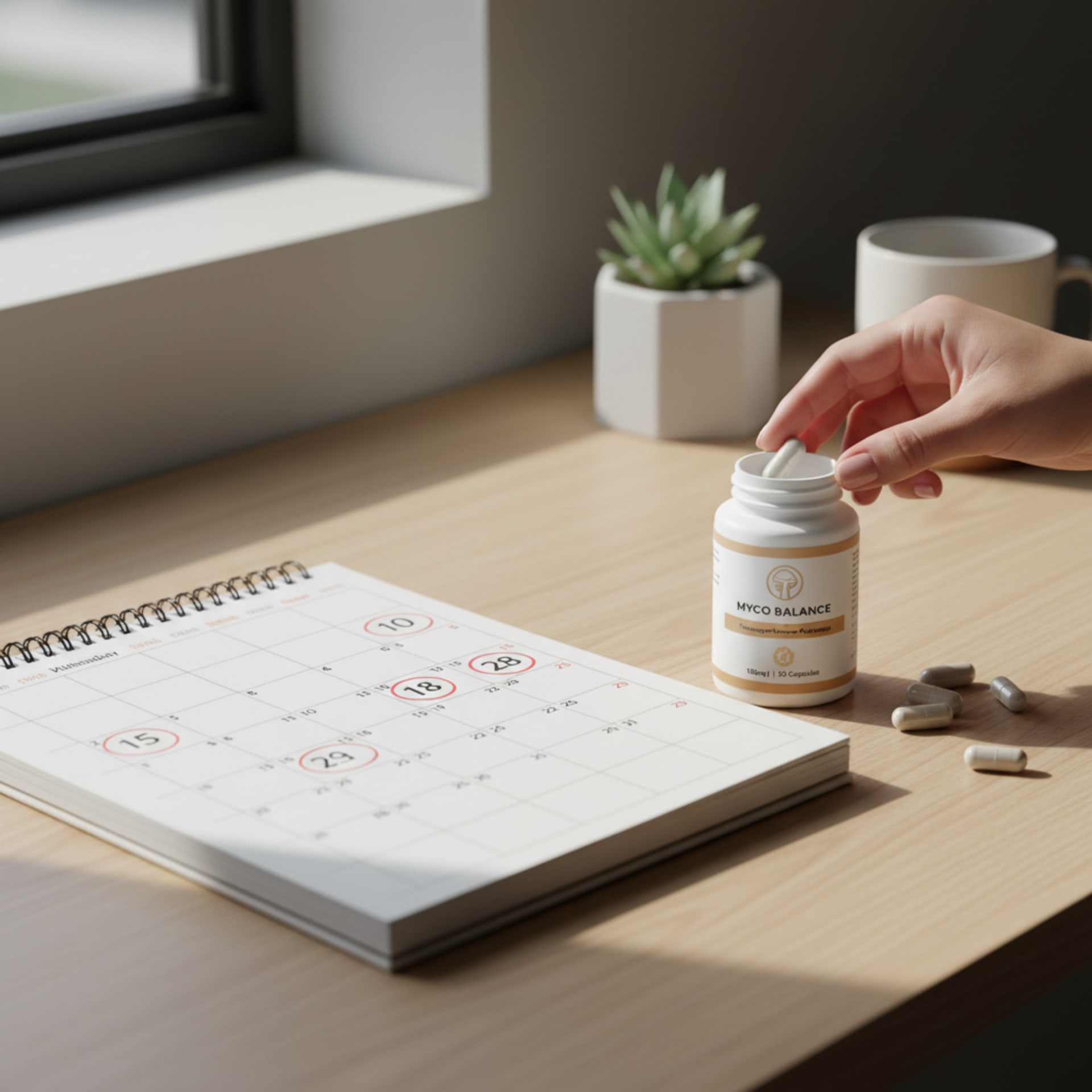
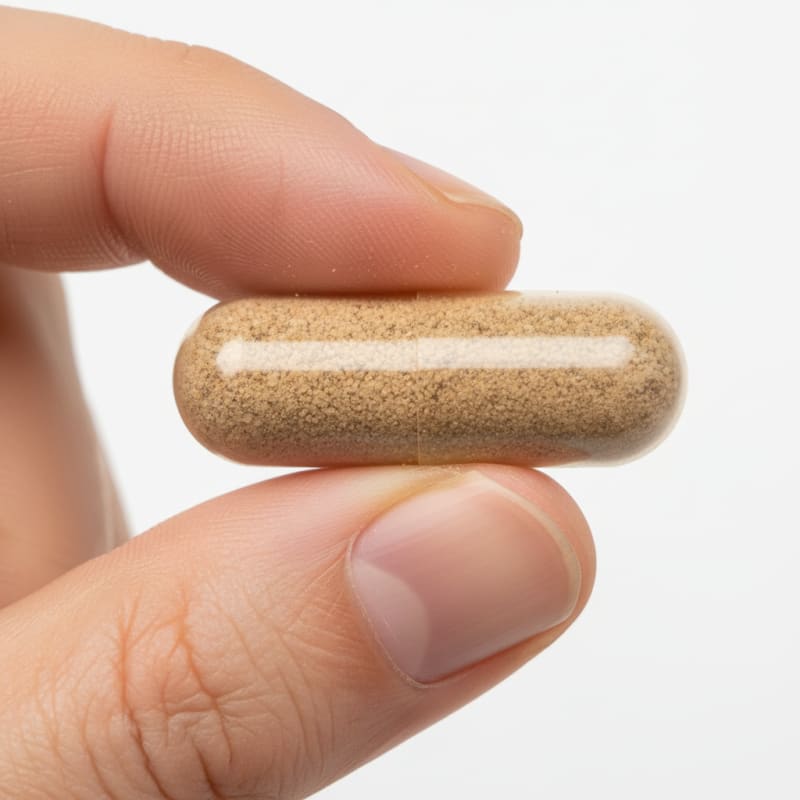
For many, this approach is more aligned with long-term wellness goals. It treats psilocybin less like a dramatic intervention and more like a supplement. This is where precisely dosed products become essential. Products like capsules and gummies remove the guesswork and variability of working with raw mushrooms, allowing for a consistent, repeatable experience. For those following a specific regimen, such as a one-day-on, two-days-off protocol, knowing the exact potency of each dose is critical. Our Focus Microdose Capsules are specifically formulated for this purpose, providing a consistent dose for users tracking their protocol.
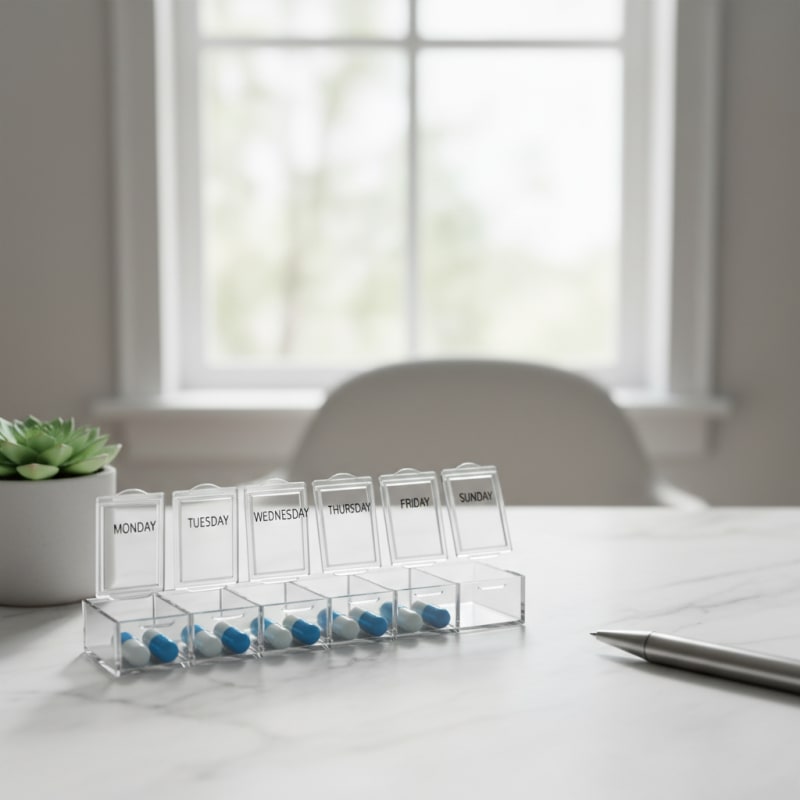
Following a structured schedule is a key part of responsible microdosing, and different protocols exist to suit different needs. You can learn more about them in our Complete Microdosing Schedule Guide.
The Disconnect Between Real-World Use and Official Narratives
Despite its prevalence, microdosing is often met with skepticism from medical and regulatory bodies. The same RAND report was described in *The Washington Post as surfacing a "troubling" finding, highlighting concerns over unregulated products and the lack of formal medical approval. This creates a significant disconnect between the reality of how millions of people are using psilocybin and the cautious pace of clinical research.
This gap exists for several reasons:
- Research Focus: Clinical trials have overwhelmingly prioritized high-dose psilocybin, as the profound experiences are easier to study for therapeutic outcomes in a controlled setting.
- Subtle Effects: The benefits of microdosing are, by definition, subtle and cumulative, making them difficult to measure in short-term, placebo-controlled trials.
- Regulatory Hurdles: Studying a Schedule I substance is complex and expensive, and researchers often pursue the most dramatic and easily publishable outcomes.
This institutional inertia leaves millions of users navigating the space on their own, relying on community knowledge and products from retailers who prioritize safety and transparency. While some see the trend as alarming, others see it as a grassroots public health movement. For those interested in the convenience of edibles, products like our Flow State Gummies offer a reliable dose in a palatable format, another popular choice for microdosing. Explore our full range of mushroom gummies to see different options.
As articles like Why Science Overlooks Microdosing have noted, the scientific community is playing catch-up to real-world use patterns. The sheer scale reported by RAND makes the phenomenon impossible to ignore and adds pressure on institutions to fund research that reflects how psilocybin is actually being consumed.
The growing body of data on real-world use is a powerful force. The fact that nearly half of all psilocybin use is low-dose is a critical insight, suggesting that future research and policy conversations will need to address the way people are actually using these compounds, not just the way they are studied in labs.

ShroomDash Editorial Team
Published 2026-03-18 · 4 min read read · Microdosing