The Two Speeds of Psilocybin: Event vs. Process
Quick Summary
Public perception of psilocybin focuses on high-dose "events," like those in clinical trials. However, a huge amount of use is actually low-dose "processes," like microdosing. This article explains the difference and why it's important for users to understand whether they are seeking a profound, one-time experience or a subtle, long-term wellness routine.
The public conversation around psilocybin is largely shaped by images of profound, high-dose experiences. Clinical trials at institutions like Johns Hopkins and sensational media coverage focus on the "psychedelic trip"—a singular, transformative event designed to address deep-seated psychological conditions. This narrative, while important, represents only one mode of psilocybin use. A growing body of evidence, highlighted by a recent RAND Corporation study, reveals a second, much more common modality: psilocybin as a consistent, low-dose process. The study found that nearly half of all psilocybin use days in the United States are now microdosing days. This points to a fundamental divergence in how psilocybin is being used: as an infrequent, high-impact event versus a frequent, subtle process. Understanding the distinction between these two approaches is critical for anyone considering psilocybin for wellness or therapeutic purposes.
What Defines the Psilocybin "Event"?
The "event" model of psilocybin use is characterized by the intentional consumption of a moderate-to-high dose to induce a powerful psychoactive experience. This is the modality most often studied in clinical research and depicted in media.
Key characteristics of the event model include:
- High Doses: Doses are typically in the range of 3 to 5 grams of dried *Psilocybe cubensis mushrooms, intended to produce a full psychedelic experience that can last for several hours.
- Therapeutic Intent: The primary goal is often a psychological breakthrough. Researchers are studying this approach for its potential to treat conditions like major depressive disorder, post-traumatic stress disorder (PTSD), and end-of-life anxiety in terminally ill patients. The experience is designed to be catalytic, helping to reframe perspectives and disrupt rigid patterns of thought.
- Structured Setting: These events place a heavy emphasis on "set and setting." They are conducted in a controlled, safe environment, often under the guidance of trained facilitators or therapists. The user's mindset ("set") and physical environment ("setting") are carefully managed to guide the experience in a positive direction.
- Infrequency: A high-dose session is a significant undertaking, both psychologically and physically. It is not something done on a regular basis. In clinical protocols, a patient might only undergo one or two such sessions over a period of months as part of a broader therapeutic program. Preparation before the event and integration of the insights gained afterward are considered essential components of the process.
This approach treats the psilocybin experience as a peak moment of insight and emotional release, requiring substantial commitment and recovery time.
How Is Psilocybin Used as a "Process"?
In contrast to the intense, infrequent event, the "process" model involves the regular use of very small, sub-perceptual doses of psilocybin. This approach, commonly known as microdosing, has gained significant traction outside of clinical settings.
Key characteristics of the process model include:
- Low Doses: A microdose is typically 1/10th to 1/20th of a full recreational dose, usually between 50 and 250 milligrams of dried mushroom. The goal is not to "trip" or experience altered consciousness, but to produce subtle, positive changes in mood, creativity, and focus.
- Wellness Intent: Users often microdose to enhance their day-to-day lives. Reported benefits include improved mood, reduced anxiety, greater mental clarity, and enhanced creativity. It is viewed as a supplement to a wellness routine, much like meditation or exercise, rather than a standalone cure. For those new to psilocybin, starting with a well-formulated product can make the process more approachable. Many users explore our shop categories to find a format that fits their lifestyle.
- Routine Integration: Microdosing is defined by its consistency. Users typically follow a protocol, such as the Fadiman Protocol (one day on, two days off) or the Stamets Stack. This turns psilocybin use into a regular, structured habit that integrates into their daily lives without disruption. The emphasis is on the cumulative effects over time.
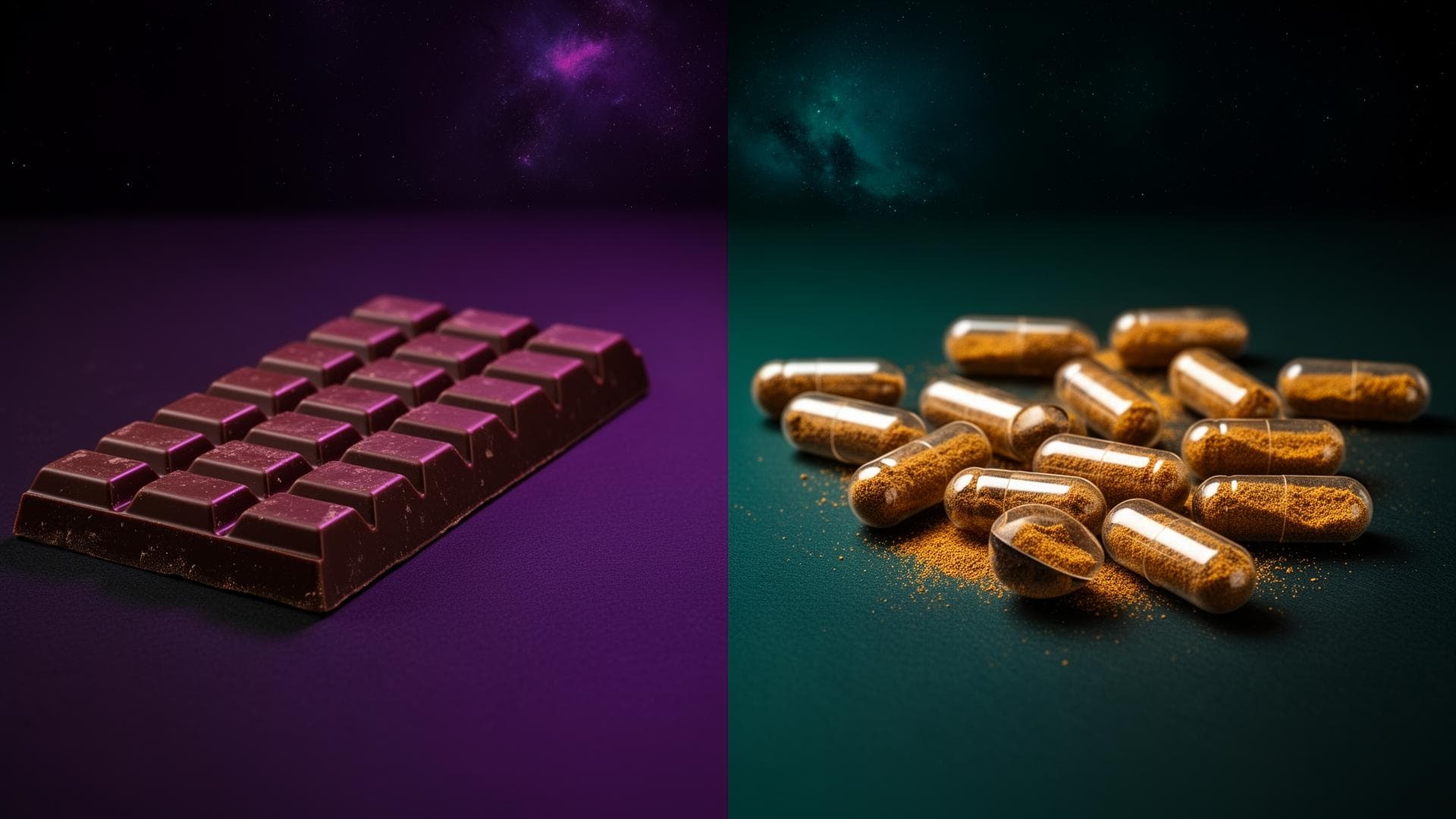
- Accessibility: The low dose and lack of psychoactive effects make this approach far more accessible. It doesn't require clearing a full day or arranging for a sitter. Products like precisely dosed microdose capsules are designed specifically for this type of routine use, removing the guesswork from dosing.
This model treats psilocybin as a tool for gradual optimization and maintenance of mental well-being, where the benefits unfold over weeks and months.
Why Does This Distinction Matter?
Recognizing the difference between psilocybin as an event and a process is crucial because it shapes expectations, intentions, and safety considerations. The preparation for a 5-gram session is vastly different from the mindset of taking a 100mg capsule with your morning coffee. The "event" narrative, while scientifically valuable, can inadvertently create a perception of psilocybin as an intimidating, high-stakes substance. This may discourage individuals who could benefit from the gentle, supportive effects of a microdosing "process."
This distinction also drives product innovation. The demand for consistent, reliable microdosing has led to the development of products that prioritize dosage accuracy. Our Mindful Microdose Capsules are formulated to provide a precise and consistent dose, which is essential for anyone embarking on a microdosing regimen. The process-oriented user requires reliability, not variability.
The conversation about psilocybin is effectively split into two channels. One discusses profound, life-altering mystical experiences. The other discusses subtle improvements in daily function and emotional regulation. Both are valid applications of the same compound, yet they serve different purposes and meet different needs.
As psilocybin continues its journey into mainstream acceptance, it is vital to acknowledge and respect both of these modalities. The future of psilocybin wellness lies not in choosing one over the other, but in understanding which approach—the profound event or the steady process—is appropriate for a given individual and their specific goals.

ShroomDash Editorial Team
Published 2026-05-02 · 4 min read read · Dosing