Psilocybin Use: Research vs. Reality
Quick Summary
A new study shows millions of people microdose psilocybin, making it the most common way it's used. However, major scientific research, like that from Johns Hopkins, focuses almost entirely on high-dose therapy for severe mental illness. This is because high-dose sessions are easier to measure and fit the current model of medical treatment.
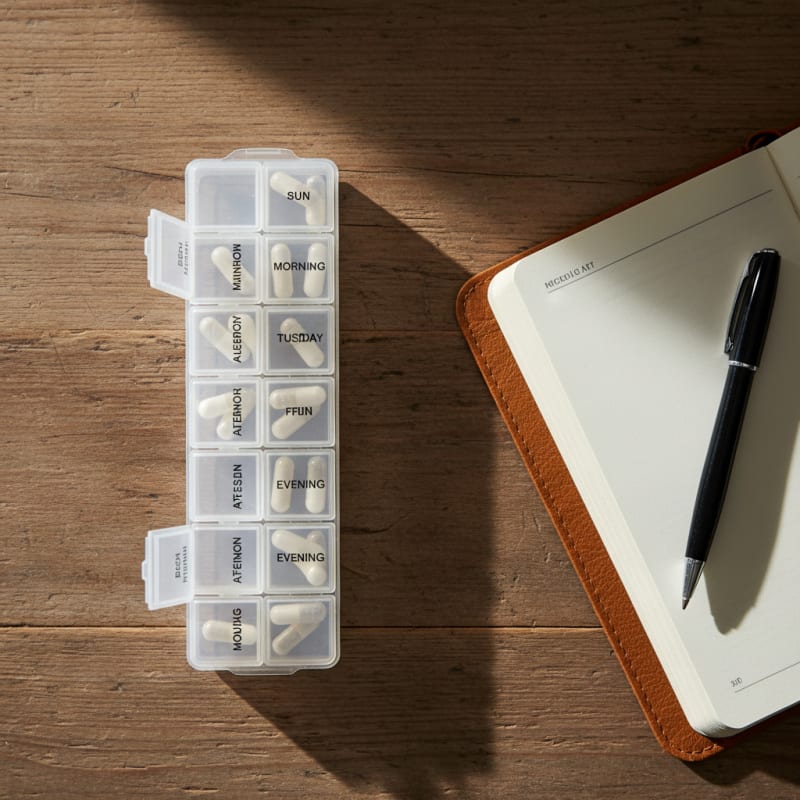
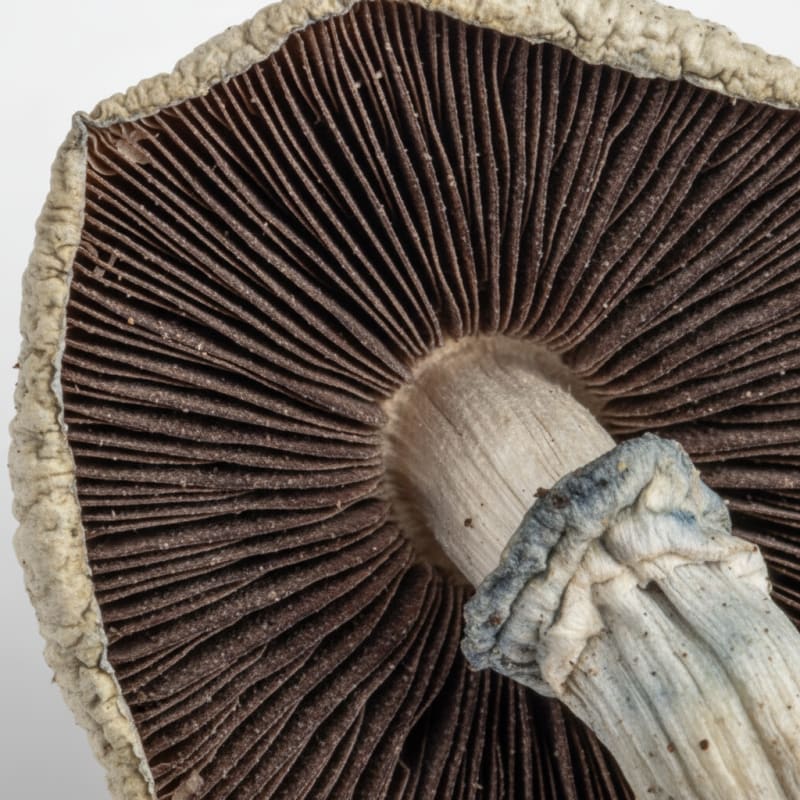
A recent report from the RAND Corporation confirmed what many observers have suspected for years: psilocybin is the most commonly used psychedelic in North America, and microdosing is an exceptionally popular method of consumption. The 2026 study estimates that of the 11 million adults who used psilocybin in the past year, roughly two-thirds (around 7.3 million people) engaged in microdosing. In fact, microdosing accounted for nearly half of all days of psilocybin use reported.
Despite this clear trend in real-world use, the most prominent and well-funded scientific research, such as the work being done at the Johns Hopkins Center for Psychedelic and Consciousness Research, remains almost entirely focused on high-dose, therapeutically-guided sessions. This creates a significant divergence between how psilocybin is being studied and how it is actually being used by millions of people. This article explores the reasons behind that gap.
How Common is Microdosing?
The data is clear: microdosing is not a niche activity. The RAND study provides the most concrete numbers to date, suggesting that for every three people who use psilocybin mushrooms, two of them have experience with microdosing. This method involves taking a sub-perceptual dose—typically 50mg to 150mg of dried mushroom—on a recurring basis. Unlike a full dose, the intention is not to "trip" or experience an altered state of consciousness, but to achieve subtle, cumulative benefits over time.
For many, this practice is integrated into a weekly routine, much like taking a vitamin or supplement. Popular protocols, which can be explored in our complete microdosing schedule guide, often involve a pattern of "on" days and "off" days to prevent tolerance. The goals cited by users are typically related to mental health and personal enhancement, including:
- Improved mood and outlook
- Reduced anxiety and depression
- Enhanced focus and creativity
- Greater presence and emotional awareness
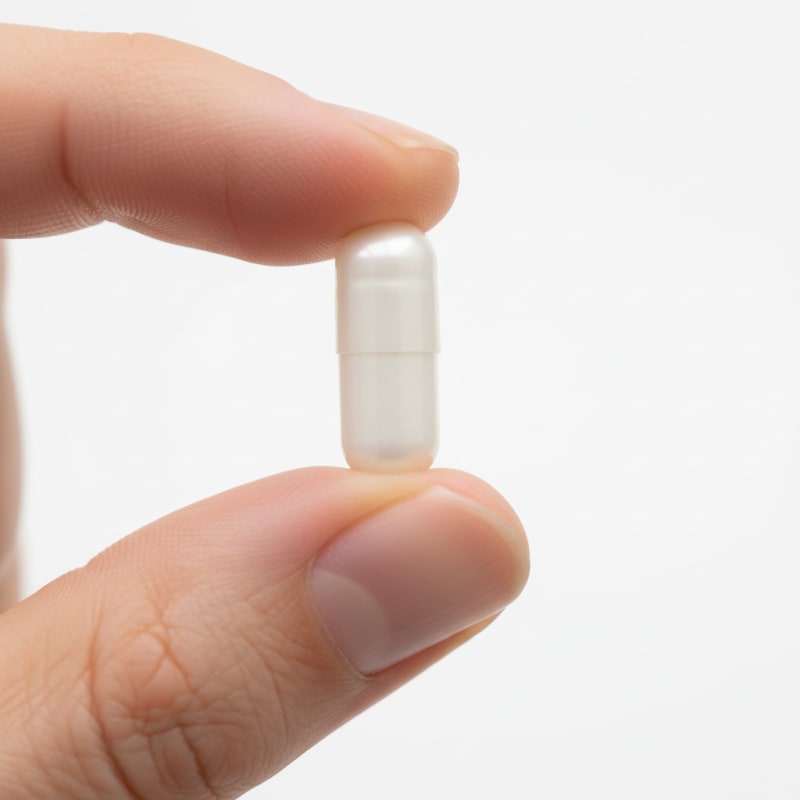
This form of use positions psilocybin as a tool for general wellness and self-optimization, consumed in small, precise amounts. Products like our Core Microdose Capsules, which contain exactly 100mg of ground *Psilocybe cubensis, are designed specifically for this purpose, eliminating the guesswork and variability of dosing with raw mushrooms.
What Does Clinical Research Focus On?
In stark contrast to the low-dose, frequent-use model of microdosing, the gold standard in psychedelic science involves high-dose, infrequent sessions conducted in a controlled clinical setting. Institutions like Johns Hopkins, which has been at the forefront of the psychedelic research renaissance, have built their entire research framework around this paradigm.
Their studies typically involve:
- A single, large dose of synthetic psilocybin (equivalent to 3-5 grams of dried mushrooms).
- Administration in a comfortable, living-room-like environment.
- The presence of two trained therapists or guides for the entire 6-8 hour session.
- Extensive preparation sessions before the experience and integration sessions afterward.
The goal of this model is not subtle, cumulative improvement but a profound, often mystical or breakthrough experience. Researchers believe these intense, psychologically transformative events can act as a "hard reset" for the brain, creating new neural pathways and disrupting rigid patterns of thought and behavior associated with severe mental health conditions.
This approach has produced remarkable results in treating conditions such as major depressive disorder, end-of-life anxiety in cancer patients, and nicotine addiction. The focus is squarely on treating diagnosed illness, positioning psilocybin as a powerful, fast-acting therapeutic intervention, not a wellness supplement.
Why the Disconnect Between Research and Real-World Use?
Given that millions are microdosing, why does the scientific establishment pour its resources almost exclusively into high-dose studies? The reasons are not a dismissal of microdosing's potential but are rooted in scientific methodology, funding, and the fundamental goals of clinical research.
- Methodological Hurdles: Studying microdosing is exceptionally difficult. The gold standard for clinical trials is the double-blind, placebo-controlled study. With microdosing, this is a major challenge. The effects are so subtle that it's hard for participants and researchers to reliably distinguish them from a placebo. This "blinding problem" makes it difficult to produce the kind of rigorous data required by regulatory bodies. In contrast, there is no mistaking a 5-gram psilocybin dose for a placebo, making high-dose studies easier to conduct and their results more statistically robust.
- Different therapeutic goals: Clinical research is primarily focused on treating serious, diagnosable illnesses like Major Depressive Disorder (MDD). The high-dose model, which can produce rapid and dramatic reductions in symptoms after a single session, is a much better fit for this objective. It aligns with the existing medical framework of a powerful, targeted intervention for a specific ailment. Microdosing, with its focus on general wellness and subtle enhancements to things like creativity, addresses outcomes that are harder to quantify and are not considered medical priorities. To learn more about the common goals of microdosing, see our article on the benefits of microdosing.
- Funding and Regulation: Securing funding for a multi-million-dollar clinical trial requires a compelling case. Demonstrating that a single dose of a substance can potentially resolve treatment-resistant depression is a powerful proposition for funders and health regulators. It presents a clear, marketable treatment. The gradual, long-term nature of microdosing for general well-being lacks the same urgency and clear endpoint, making it a harder sell. Many users microdosing for cognitive enhancement might use products like our Focus Microdose Capsules, which combines psilocybin with other functional ingredients to support their goals outside a clinical context. Finding a path to get such a use case approved as a medicine is simply not a priority for researchers.
- The Prevailing Paradigm: The modern psychedelic therapy model, pioneered by researchers like Roland Griffiths at Johns Hopkins, is heavily influenced by the idea that a "mystical experience" is the key mechanism of action. This intense, ego-dissolving event is seen as the catalyst for lasting psychological change. Microdosing, by its very definition, does not produce such an experience, placing it outside the dominant theoretical framework of how psychedelics work therapeutically.
The divergence between the lab and the real world does not invalidate either approach. It simply illustrates that psilocybin is evolving along two distinct paths: one as a precisely controlled, high-dose medical treatment for severe illness, and another as a widely adopted, low-dose supplement for personal wellness and enhancement. While clinical science slowly builds the case for the former, millions of users are already exploring the latter on their own terms, navigating a world where popular use far outpaces scientific validation.

ShroomDash Editorial Team
Published 2026-03-06 · 5 min read read · Lab Science