
Microdosing Is Now a Mainstream Practice
Quick Summary
A new study from the RAND Corporation reveals that millions of adults are microdosing psilocybin, with nearly half of all use-days involving microdoses. This positions microdosing as a primary way people engage with psilocybin, focused on wellness and cognitive enhancement rather than intense psychedelic experiences. This mainstream adoption contrasts with the clinical research focus on high-dose therapy.
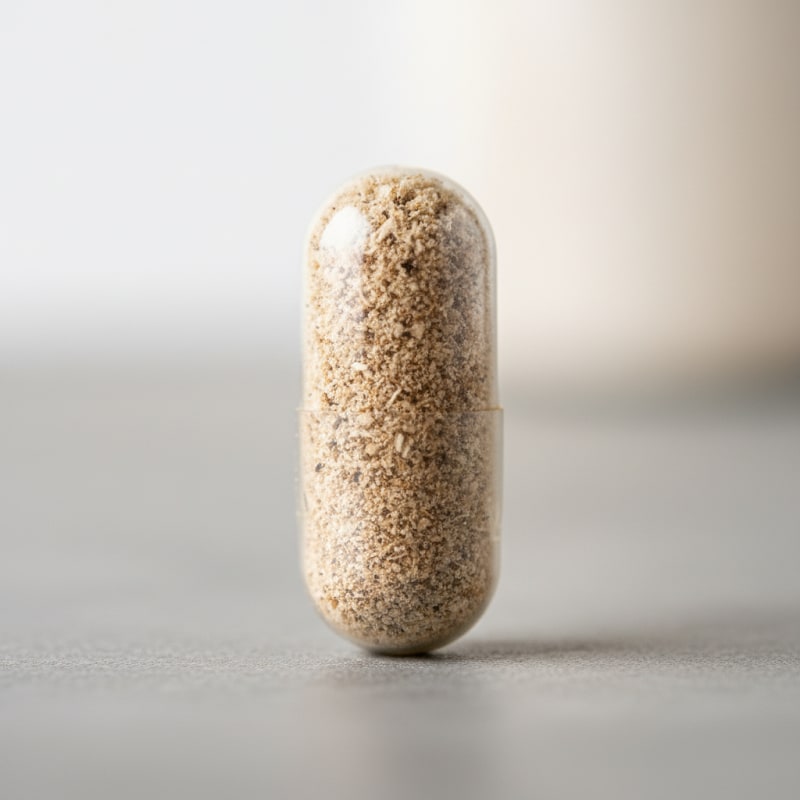
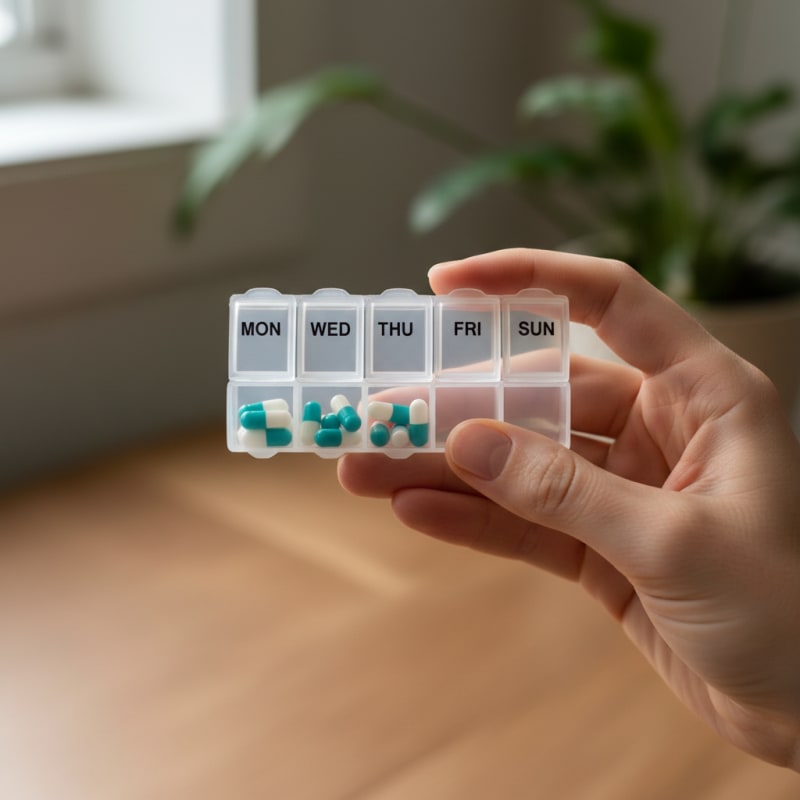
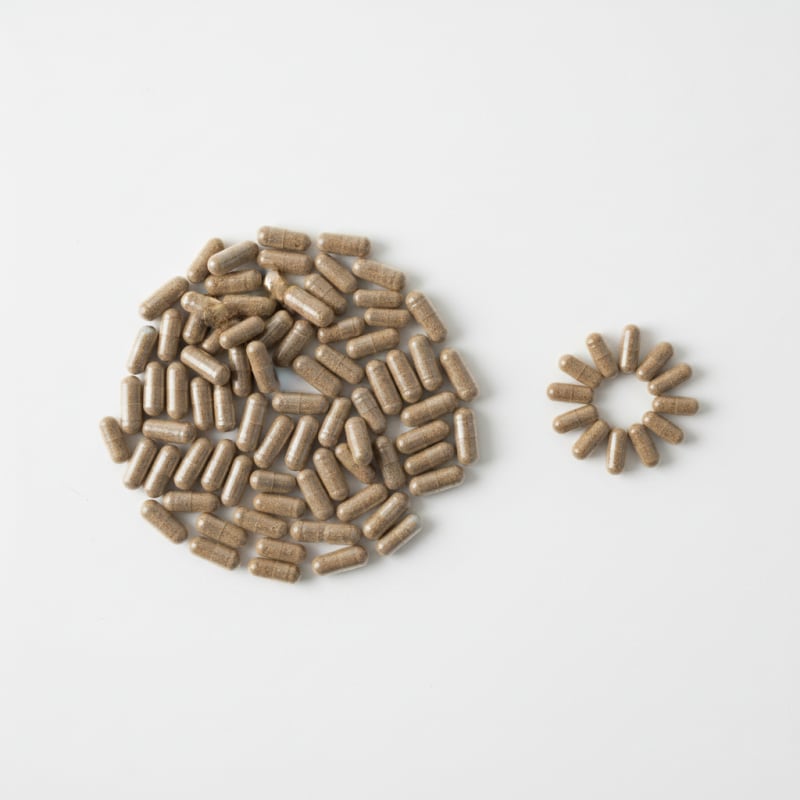
An increasing body of data confirms what was once anecdotal: microdosing has officially shifted from a niche, underground trend to a mainstream wellness practice. A recent landmark study from the RAND Corporation provides the clearest picture yet, estimating that millions of adults in the United States are regularly taking sub-perceptual doses of psilocybin. This marks a significant turn in the modern psychedelic landscape, where low-dose, functional use is becoming just as prominent as the high-dose, therapeutic journeys that dominate clinical research.
For years, microdosing existed in a gray area, popularized by professionals in creative and tech fields seeking a cognitive edge. Today, the practice is far more widespread, adopted by a diverse range of individuals for mental health, well-being, and personal development. The data suggests that for a large segment of psilocybin users, the goal isn't a mystical experience but sustained, subtle enhancement of their daily lives. This evolution in user behaviour has major implications for public health, policy, and the future direction of psychedelic science.
How Prevalent Has Microdosing Become?
The numbers are striking. According to the 2026 RAND study, which conducted a first-of-its-kind survey on psychedelic use, psilocybin is the most commonly used psychedelic. The findings on microdosing, however, are particularly revealing:
Widespread Adoption: Approximately two-thirds of adults who used psilocybin in the past year reported microdosing at least once. Frequency of Use: Out of all the days psilocybin was used, nearly half involved microdosing. This indicates that microdosing is not just a one-time experiment for most, but a consistent routine. Scale of Use: The report suggests millions of American adults are engaging in the practice, moving it far beyond a small subculture.
This data quantifies a major shift. While clinical trials and media often focus on the profound, life-altering experiences associated with high doses, the reality on the ground is that a significant—if not equal—portion of psilocybin use is happening at the sub-perceptual level. Users are integrating psilocybin into their lives in a way that prioritizes function and gentle modulation of mood and cognition over intense, disruptive experiences.
Why Are Millions Choosing to Microdose?
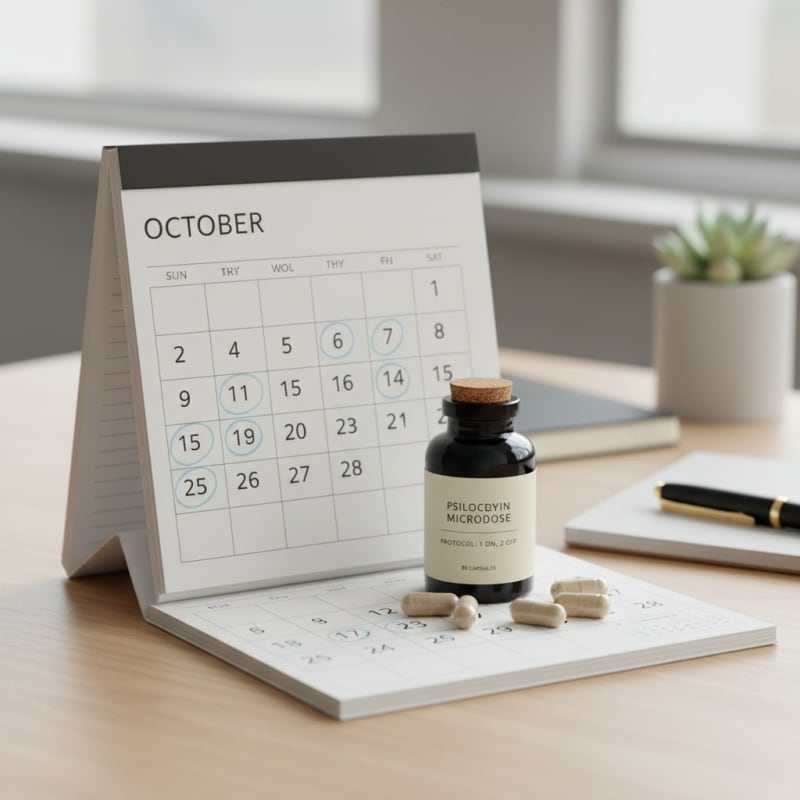
The motivation behind the microdosing phenomenon is rooted in its accessibility and perceived benefits. Unlike a high-dose session, which requires significant preparation, a controlled setting, and a day or two for recovery, microdosing is designed to integrate seamlessly into a person's existing routine. Many users follow specific protocols, such as those outlined in our microdosing schedule guide, to maintain consistency and avoid building tolerance.
The reported goals of microdosers typically revolve around tangible improvements in daily life:
Enhanced Mood: Many report a reduction in symptoms of anxiety and depression, feeling more emotionally balanced and resilient. Increased Focus and Creativity: A common anecdotal benefit is the ability to enter a "flow state" more easily, solving problems creatively and maintaining concentration. Improved Social Connection: Some users note feeling more open, empathetic, and connected to others.
This is where products like precisely dosed edibles and capsules become relevant. For example, our Clarity Microdose Capsules are formulated with a low, consistent dose of psilocybin, intended to support cognitive function without psychoactivity. This aligns with the goals of mainstream users who are not seeking a psychedelic trip but are instead using psilocybin as a tool for self-improvement and mental well-being. It’s a fundamentally different approach than the high-dose therapeutic model used to treat conditions like major depressive disorder or nicotine addiction.
Does This Trend Align with Scientific Research?
Here lies the central paradox of modern psychedelics: the most common form of use (microdosing) is the least studied. The vast majority of formal, FDA-approved research focuses on high-dose psilocybin administered in a clinical setting. There are practical reasons for this, as a profound, measurable effect is easier to capture in a controlled trial than the subtle, cumulative effects of microdosing. This is why the research landscape often seems to ignore microdosing.
Clinical trials are designed to produce clear, statistically significant results that can lead to a drug being approved for a specific medical indication. High-dose psilocybin therapy has shown remarkable efficacy in this context for conditions like depression and addiction. Microdosing, with its subtle effects and high placebo response, is much more challenging and expensive to study rigorously.
As a result, an information gap has emerged. Millions of people are microdosing based on anecdotal reports and community knowledge, while the scientific establishment is still trying to figure out if the reported benefits are a pharmacological effect or a product of positive expectation. Until the research catches up to real-world usage patterns, consumers are left to navigate the space with the information they have. Products like precisely dosed mushroom gummies offer a measure of reliability that is critical in an environment where user experience is the primary source of data. The Focus Mushroom Gummies are one such product, providing a consistent amount of psilocybin in each piece for predictable, sub-perceptual effects.
Two Paths for Psilocybin Emerge
The RAND data confirms that psilocybin is evolving along two parallel tracks. The first is the highly regulated, clinical path, where high-dose psilocybin is being developed as a prescription treatment for serious mental health conditions. The second is the mainstream wellness path, driven by consumer demand for microdosing and functional mushroom products.
This dual reality is shaping the entire industry. While researchers focus on demonstrating safety and efficacy to regulators, millions of users are already integrating psilocybin into their wellness routines. The sheer scale of this mainstream adoption suggests that microdosing is not a passing fad but a durable and significant pillar of the psychedelic ecosystem.
The widespread, routine use of sub-perceptual doses is a clear signal of consumer demand. This behaviour, now quantified, will inevitably influence future scientific inquiry, product development, and the ongoing conversation around drug policy reform.

ShroomDash Editorial Team
Published 2026-03-10 · 4 min read read · Microdosing