
Psilocybin Use: Data vs. Public Perception
Quick Summary
Recent data reveals a major disconnect between the public perception of psilocybin and its actual use. While many associate it with intense trips, a new study shows nearly half of all psilocybin use involves microdosing—taking small, non-perceptual amounts for wellness. This trend highlights a gap between clinical research, which focuses on high doses, and the reality of how millions of people use psilocybin today.


When most people think of psilocybin mushrooms, they picture intense, reality-bending "trips." This image, reinforced by decades of pop culture and media portrayals, defines the public's understanding of psychedelic use. However, a growing body of evidence suggests this perception is profoundly misaligned with how millions of people are actually using psilocybin today. Recent survey data reveals that sub-perceptual microdosing is not a niche activity but a primary mode of consumption, a finding that challenges conventional narratives and has significant implications for research, policy, and public health. The data paints a clear picture: the era of psilocybin as a tool for everyday wellness has quietly arrived.
What Does New Data Reveal About Psilocybin Use?
Recent groundbreaking research, including a significant report from the RAND Corporation, has provided an unprecedented look into the habits of psilocybin users. The findings are striking. According to the data, an estimated 10 million adults in the United States alone engaged in microdoping in the past year. Even more revealing is the frequency of this practice among existing users. Of those who consumed psilocybin, approximately two-thirds reported microdosing at least once.
The most compelling statistic is that microdosing accounted for nearly half of all total psilocybin consumption days. This means that for every day someone was taking a full, psychoactive dose, another person was taking a tiny, sub-perceptual amount with no intention of experiencing a "trip."
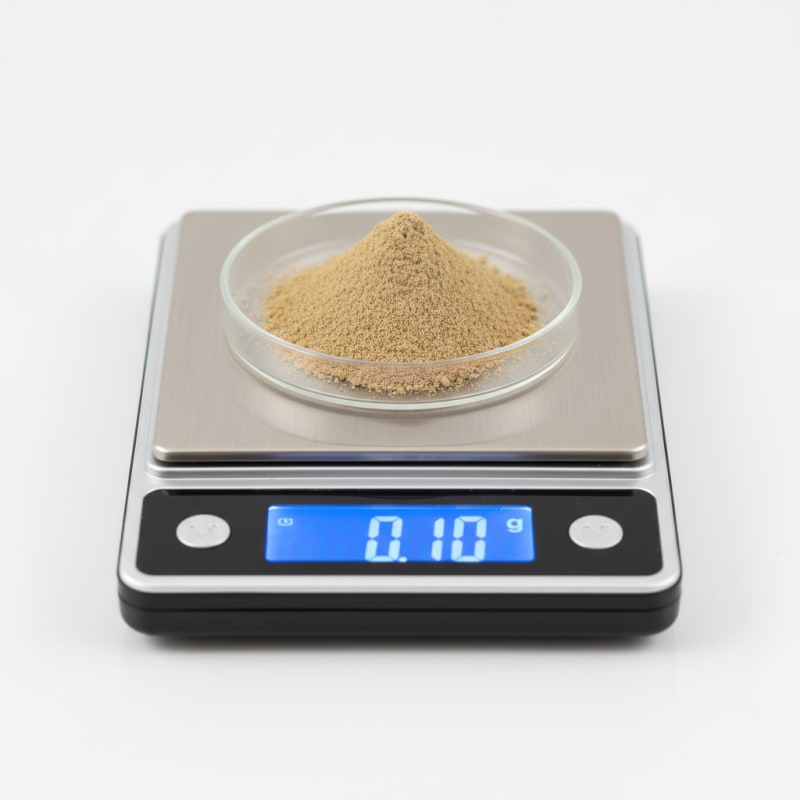
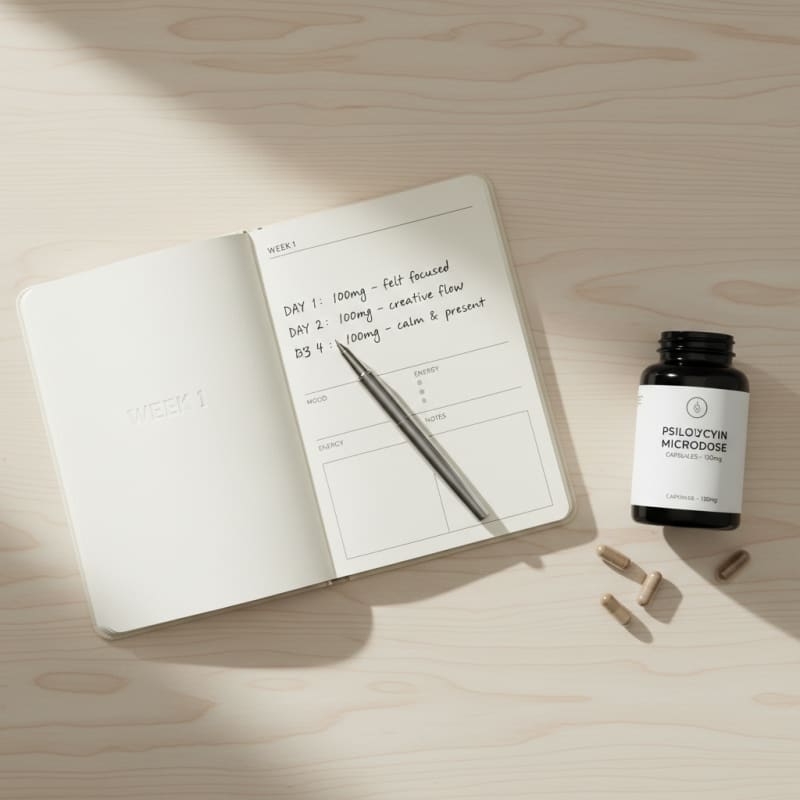
This fundamentally changes the profile of the average psilocybin user. Instead of someone seeking an infrequent, high-impact psychedelic journey, the data points to a user who integrates psilocybin into their regular routine for more subtle benefits. A microdose is typically defined as a small fraction of a recreational dose—usually 5% to 10%, or between 50mg and 200mg of dried *Psilocybe cubensis mushroom. The goal is not to feel psychedelic effects but to enhance day-to-day life. Users commonly report benefits such as:
- Improved mood and emotional regulation
- Enhanced focus and creativity
- Reduced anxiety and stress
- Greater sense of well-being and presence
This trend toward sub-perceptual use explains the rising demand for products that offer precision and consistency. Consumers are not looking for a guessing game; they want to know exactly how much active ingredient they are taking. This is a primary reason for the popularity of precisely dosed formats like mushroom capsules, which remove the variability inherent in consuming raw, dried mushrooms.
Why Is There a Disconnect Between Research and Reality?
Despite the clear prevalence of microdosing in the real world, it remains largely ignored by the scientific and clinical communities. The vast majority of modern psilocybin research focuses exclusively on high-dose, therapeutically guided sessions. Studies investigating psilocybin's potential for treating major depressive disorder, smoking cessation, and end-of-life anxiety almost always involve administering a single, large dose designed to induce a profound mystical experience.
There are several reasons for this disconnect:
- Measurable Outcomes: A high-dose session produces dramatic, easily measurable psychological effects. In contrast, the benefits of microdosing are subtle and cumulative, making them much harder to quantify in a traditional, short-term clinical trial.
- The Medical Model: The clinical model favours acute, high-impact interventions. A single, powerful session fits more neatly into this paradigm than a long-term wellness supplement regimen.
- Historical Precedent: Today's research builds on the work of early psychedelic pioneers from the 1950s and 60s, who were primarily interested in the consciousness-altering effects of large doses.
The consequence is a widening gap between the scientific literature and real-world application. While researchers publish headline-grabbing studies on the power of "heroic" doses, millions of people are quietly exploring a completely different use case. This oversight means that the most common form of psilocybin use is also the least understood from a scientific perspective. Addressing this gap is critical, and a useful primer on the subject can be found in our post on why research often overlooks microdosing.
What Are the Implications of Widespread Microdosing?
The normalization of microdosing has far-reaching implications for how psilocybin is viewed and managed. For public health officials, it means shifting the conversation beyond harm reduction for high-dose experiences to include the long-term safety and efficacy of chronic, low-dose use. The questions are different: not "how to handle a difficult trip," but "what are the effects of taking 100mg of psilocybin every three days for a year?"
For product manufacturers, this trend validates a focus on consistency, safety, and precise dosing. Products like our Core Microdose Capsules are designed specifically for this purpose, providing a reliable and accurately measured dose in each capsule. This allows users to control their intake with confidence, which is essential for a practice built on subtle, cumulative effects. Other accessible formats, like precisely dosed gummies, also cater to this user base by combining accuracy with a familiar consumption method. Our Fathom Mushroom Gummies, for instance, provide a consistent dose in every piece, making them a straightforward option for incorporating into a wellness routine.
From a policy perspective, understanding that millions are using psilocybin not to get high but to feel better complicates the regulatory landscape. A legal framework designed solely to control a powerful hallucinogen may be ill-suited for a substance that is increasingly used like a daily supplement. Any future regulation must account for the reality that for a huge number of users, the goal is sub-perceptual.
The narrative of psilocybin is being rewritten not by researchers or regulators, but by the quiet, daily choices of millions of individuals. The data shows a clear divergence from historical stereotypes, moving the substance out of the counter-culture and into the mainstream of personal wellness. As this trend continues, the data on how people use psilocybin will become increasingly important for guiding safe and informed practices.

ShroomDash Editorial Team
Published 2026-03-13 · 4 min read read · Microdosing