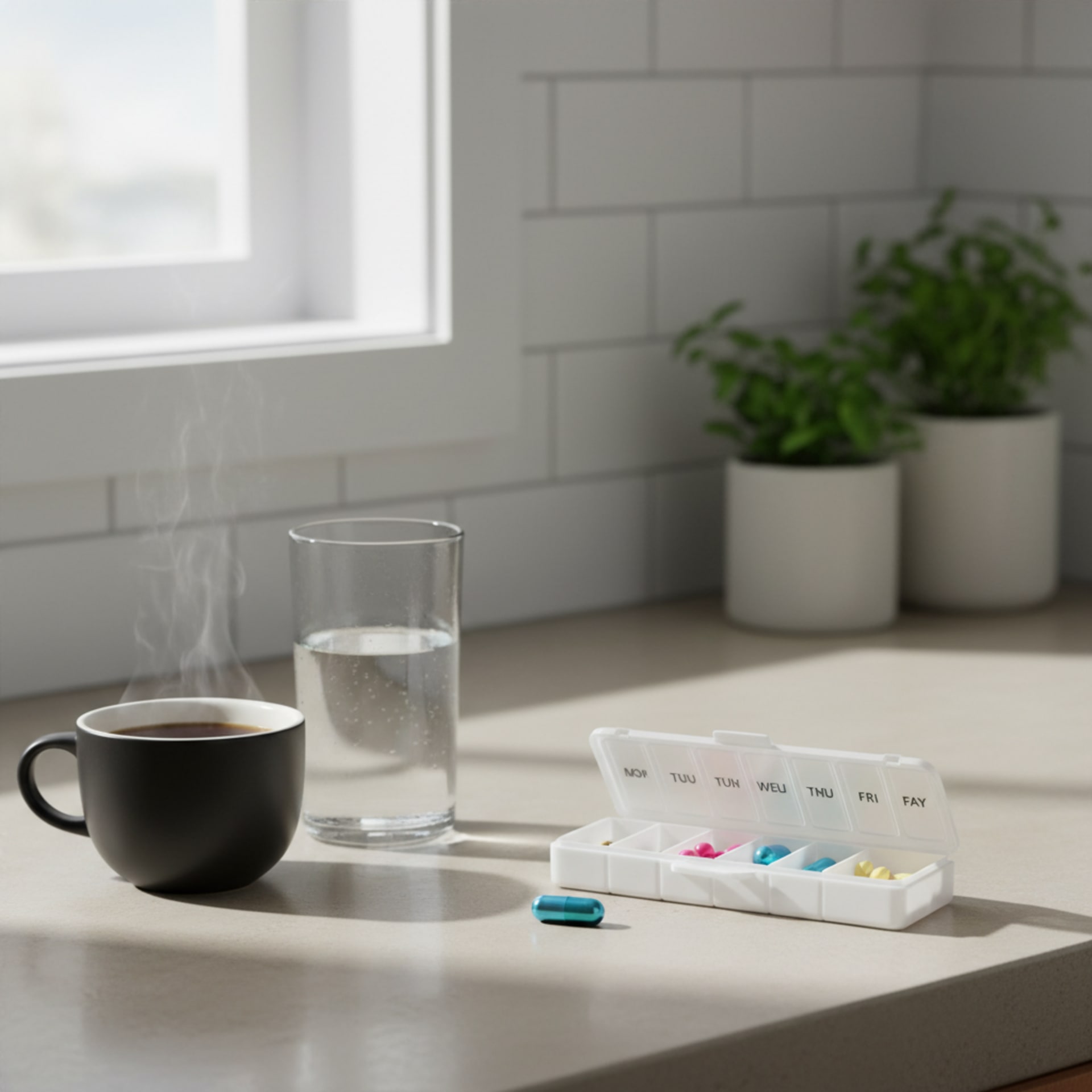
Psilocybin: More Daily Supplement Than Trip
Quick Summary
Recent data shows nearly half of all psilocybin use days are microdoses, not high-dose "trips." This suggests millions use psilocybin as a regular wellness supplement for things like mood and focus, a reality very different from the infrequent, high-dose sessions studied in clinical trials. This shift in use explains the popularity of precisely-dosed products like capsules and edibles.



Recent data from a 2026 RAND study has illuminated a fundamental truth about modern psychedelic use that often gets lost in public discourse: for every person taking a high dose of psilocybin for a profound, therapeutic "trip," there is someone else taking a microdose as part of a regular routine. The study found that of the more than 200 million days of psilocybin use in the past year, nearly half involved microdosing.
This single statistic reframes the entire conversation. It suggests that for a vast number of people, psilocybin is not a once-in-a-lifetime event or a risky recreational pursuit, but something more akin to a daily supplement. This quiet, consistent use for wellness, mood, and cognitive support represents a massive, often overlooked, segment of the psilocybin landscape. It stands in stark contrast to the two narratives that dominate media headlines: the medically supervised, high-dose clinical trial and the fear-mongering over "alarming trends" in psychedelic use.
What Does "A Day of Psilocybin Use" Really Mean?
When we see statistics about psychedelic use, it is easy to imagine a single, uniform activity. But the reality is that a "day of use" can mean vastly different things. One person’s day of use might involve a 5-gram dose of dried *Psilocybe cubensis mushrooms in a ceremonial setting, leading to a powerful, life-altering mystical experience. Another person’s day of use might be a 100-milligram microdose capsule, taken before work to enhance focus and reduce anxiety, with no perceptual changes at all.
Both scenarios count as a "day of use" in a survey, but they represent two entirely different modes of interacting with the substance.
- The Event Model: This is the high-dose, infrequent session. It is powerful, often therapeutic, and requires significant preparation and integration. This is the model rightly being studied for treating severe conditions like PTSD, depression, and addiction. It is a major life event.
- The Process Model: This is the low-dose, frequent, or semi-frequent usage pattern. The goal is not a "trip" but sub-perceptual or "sub-hallucinogenic" support for ongoing mental and emotional well-being. It is a routine, not an event.
The RAND data confirms that the Process Model accounts for nearly half of all psilocybin consumption days. This is not a niche activity; it is a primary way that millions of adults engage with psilocybin. The focus on high-dose "trips" in both research and media misses the fact that for many, psilocybin has become a tool for daily maintenance and enhancement.
Why Is Clinical Research Focused Only on High Doses?
The clinical research model, exemplified by institutions like the Johns Hopkins Center for Psychedelic and Consciousness Research, is necessarily focused on high-dose sessions. The working theory in psilocybin-assisted therapy is that the profound, brain-altering experience induced by a large dose can act as a "hard reset" for the brain, creating a window of neuroplasticity where therapeutic breakthroughs can occur. Researchers have demonstrated the safety and efficacy of this model for specific conditions, but always within a controlled, medically supervised context involving multiple guided sessions.
This approach is tailored to treat significant psychiatric and behavioral disorders. However, it was never designed to address the goals of the typical wellness user, such as improved mood, increased creativity, or a greater sense of well-being. The clinical model is, by design, inaccessible and inappropriate for the majority of people who use psilocybin. It requires a massive investment of time, money, and medical oversight. More importantly, its goals do not align with the "Process Model" of sustained, low-dose use. You can read more about the differences in our post on psilocybin protocols for therapy vs. wellness.
This research is vital, but it doesn't reflect the far more common reality of how psilocybin is being used for general wellness.
How Does This Reality Affect Product Choices?
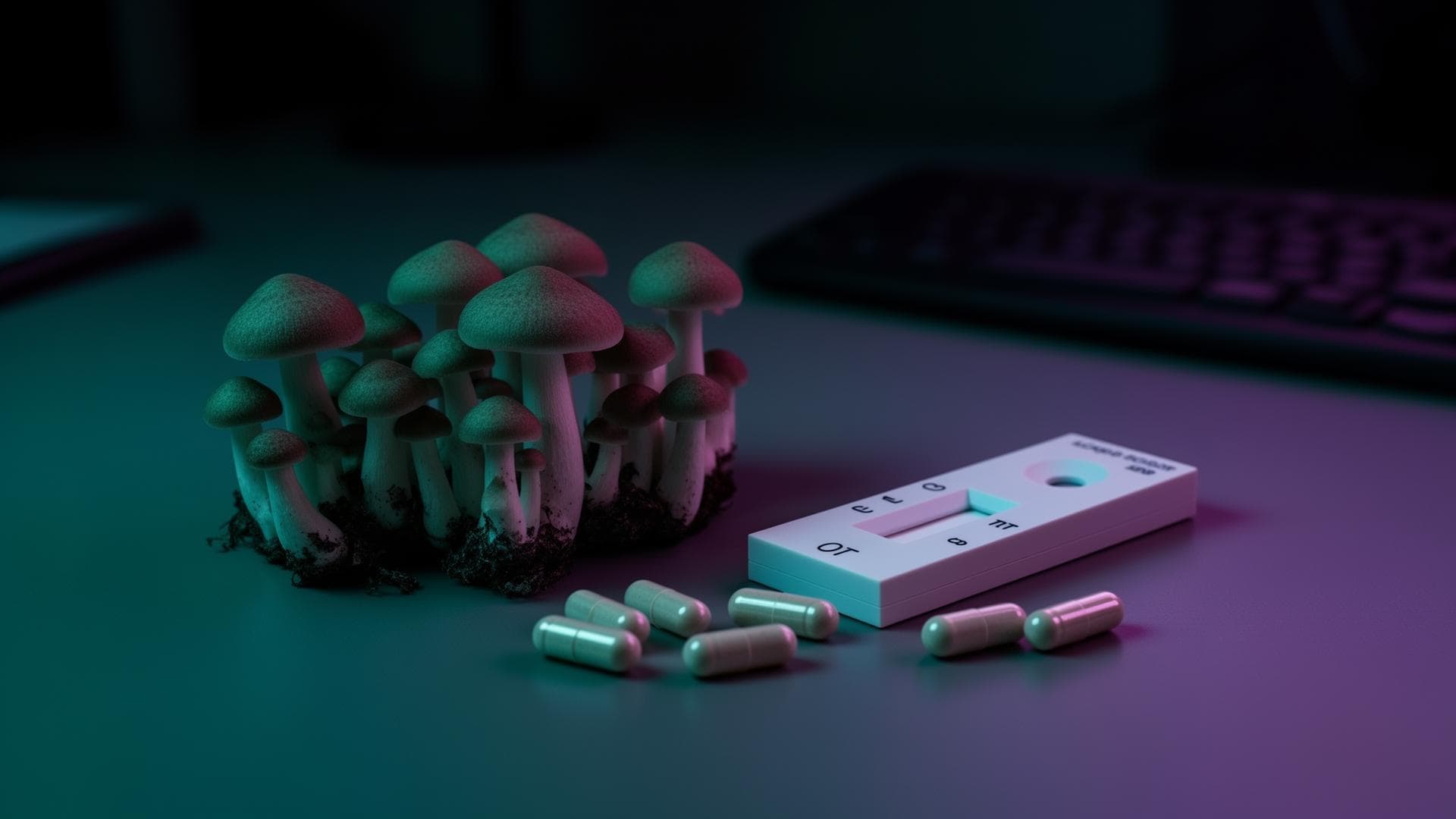
The rise of the "Process Model" explains the shifting landscape of psilocybin products. When psilocybin is used as a regular supplement, attributes like precision, consistency, and convenience become paramount. The variance in potency from one dried mushroom to another makes them ill-suited for a reliable microdosing regimen. A 0.2-gram dose from one mushroom might feel perfect, while the same amount from a different mushroom—or even a different part of the same mushroom—could be noticeably stronger or weaker.
This is why many people are turning to professionally manufactured products. They offer the predictability required for a stable routine, removing the guesswork and ensuring a consistent experience every time. Taking a precisely dosed capsule is logistically and psychologically simpler than weighing and consuming raw mushroom material, especially as part of a daily routine.
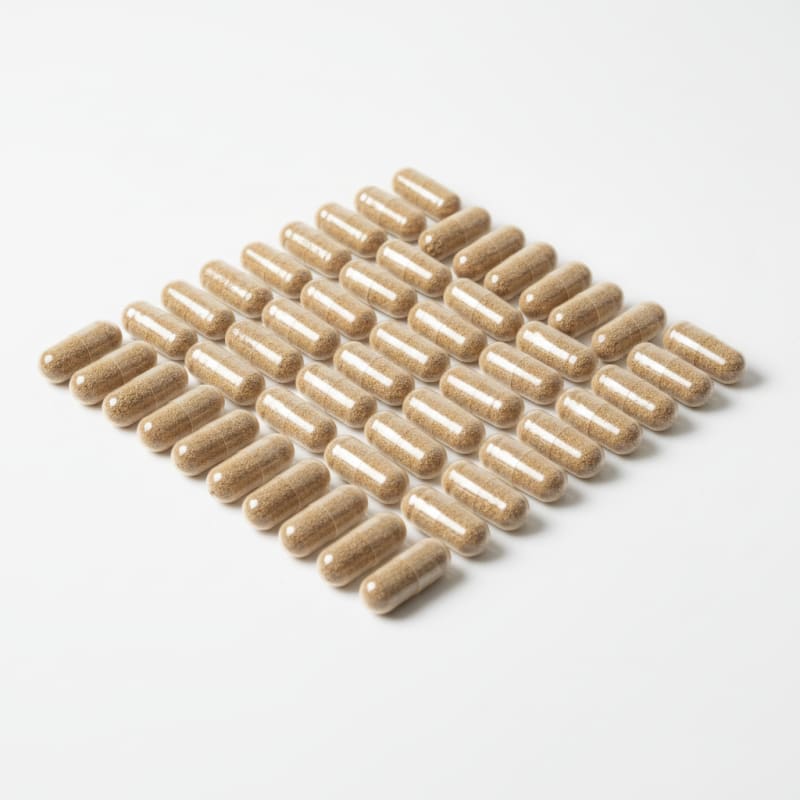
The ShroomDash Clarity Capsules, which blend 100mg of psilocybin with adaptogens like Lion's Mane, are designed specifically for this use case. They provide a reliable, sub-perceptual dose intended to support cognitive function and mood as part of an ongoing wellness practice. For those who prefer a tastier format, our low-dose psilocybin gummies offer similar precision in a more palatable form.
The data is clear: the image of psilocybin use is no longer just about a long, strange trip. For millions, it is a quiet, daily process of subtle adjustment and optimization. This evolution in usage demands an evolution in the products available, moving toward the same standards of quality and consistency we expect from any other wellness supplement.

ShroomDash Editorial Team
Published 2026-04-21 · 4 min read read · Dosing