
Psilocybin Use: The Overlooked Majority
Quick Summary
Most people think of psilocybin use as intense, high-dose 'trips.' However, a recent RAND study shows that nearly half of all psilocybin use days are actually microdosing days, making it the most common way people interact with the substance. This highlights a gap between the clinical/media narrative and real-world wellness practices.


The public narrative surrounding psilocybin is largely defined by the "heroic dose." Media reports and clinical research, from institutions like Johns Hopkins, focus on large, single doses administered in controlled settings to treat conditions like addiction and depression. Stories about psilocybin for smoking cessation or end-of-life anxiety capture the imagination, painting a picture of intense, life-altering sessions guided by trained professionals. This model, centered on profound, mystical-type experiences, has become synonymous with the modern psychedelic renaissance.
While this therapeutic, high-dose framework is critical for advancing medical applications, it represents only a fraction of how psilocybin is used in reality. Emerging data reveals a significant disconnect between the perception of psilocybin use and the day-to-day practice for millions of people. The most common form of engagement isn't the dramatic, hours-long journey; it's a far more subtle, routine, and integrated practice.
What Does the Data Say About Psilocybin Use?
A 2026 study from the RAND Corporation provides a clear, data-driven look into how psychedelics are used by the general public, and the findings challenge the dominant narrative. The research found that an estimated 11 million U.S. adults used psilocybin in the past year, making it the most common psychedelic. More importantly, the study examined the *method of use.
The results were striking:
- Among all adults who had used psilocybin in the past year, approximately two-thirds reported microdosing at least once.
- Of the more than 200 million days of psilocybin use reported, nearly half of those days involved microdosing.
This second point is the most significant. It shifts the entire basis of understanding from the number of users to the total volume of use days. While a high-dose session is a singular, powerful event, microdosing is a consistent practice. The data shows that these quiet, sub-perceptual doses, taken routinely, account for a massive portion of the total interaction people have with psilocybin. The silent majority of psilocybin use, it turns out, is not silent because it is small, but because it is subtle.
Why Has Microdosing Become So Prevalent?
The dominance of microdosing in terms of total use days is not an accident. It reflects the practical realities and motivations of individuals using psilocybin outside of a clinical context. For this overlooked majority, the goal is not radical transformation in a single day, but sustained improvement over time.
Several factors contribute to its prevalence:
- Accessibility: High-dose sessions require significant planning. Users need to set aside a full day, arrange for a comfortable and safe environment ("set and setting"), and often organize a sober sitter or guide. Microdosing, by contrast, requires none of this. A small, precisely measured dose in a capsule can be taken as part of a morning routine with no disruption to work, family, or social commitments. This makes it vastly more accessible for the average person.
- Risk Mitigation: A sub-perceptual dose, by definition, does not produce an altered state of consciousness. This eliminates the risks associated with high-dose experiences, such as psychological distress, anxiety, or paranoia. For individuals seeking wellness benefits without embarking on a challenging psychedelic journey, microdosing presents a more manageable and predictable path.
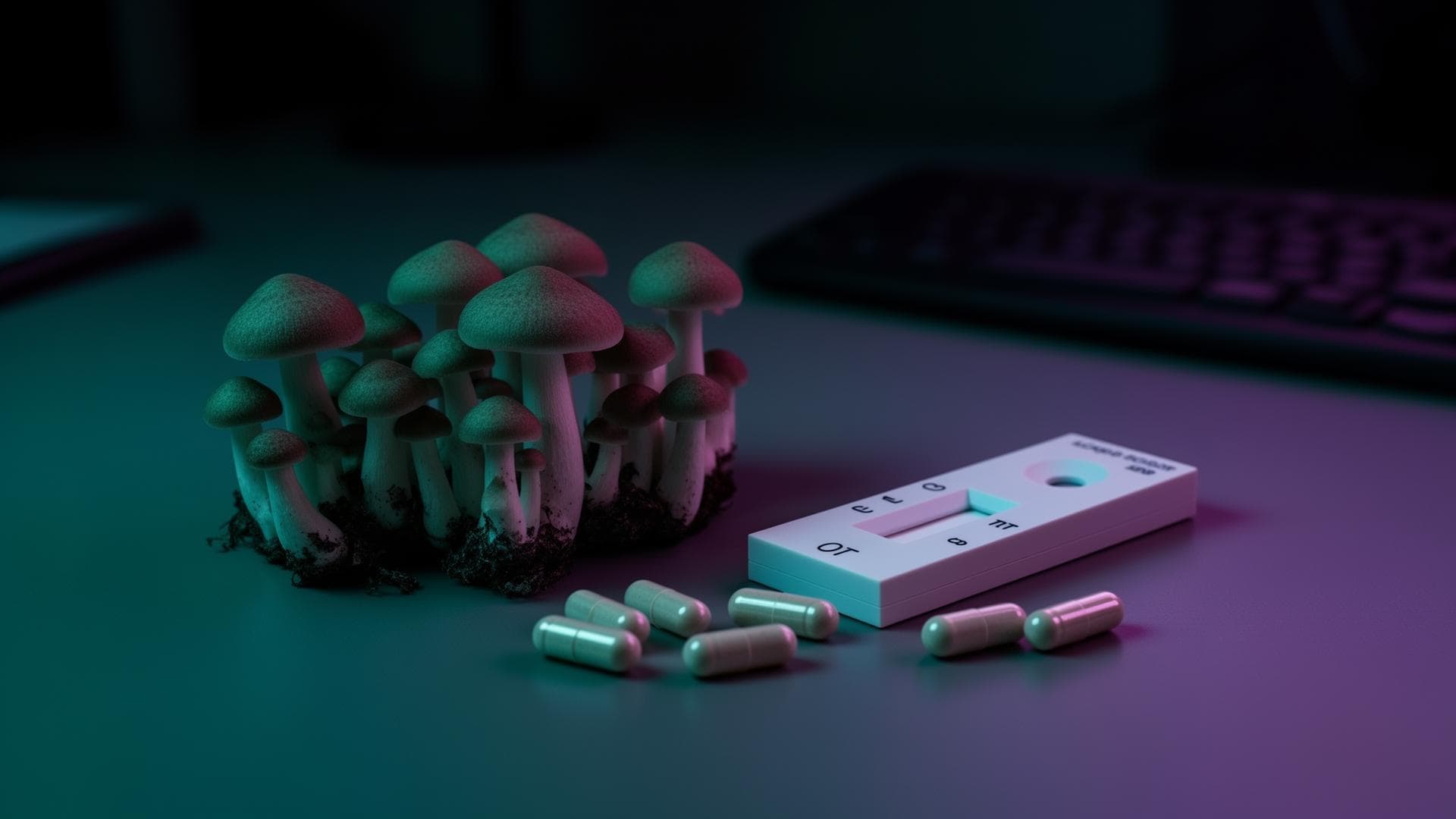
- Focus on Function: The motivations for microdosing are typically functional. Users commonly report seeking benefits like improved mood, enhanced creativity, better focus, and reduced anxiety. It is approached as a cognitive or wellness supplement, not a therapeutic intervention. Products like our Core Microdose Capsules are designed specifically for this purpose, offering precision and consistency for a daily or bi-daily regimen. Many users find these products in accessible formats on our shop page.
Does "Use" Have a Standard Meaning?
The RAND data forces us to question what we mean by "psilocybin use." Is a single 5-gram dose taken for a profound experience equivalent to a 100-milligram microdose taken to enhance focus at work? In terms of pharmacology, they are vastly different. In terms of user intent, they occupy separate worlds. This reflects the broader divide between clinical and wellness models of psychedelic engagement.
The clinical model measures "doses" or "sessions." The wellness model, particularly with microdosing, is better measured in "days." A person who microdoses three times a week for a month will have logged over a dozen use days, while a person attending a high-dose retreat may have only one. While the high-dose user had the more intense experience, the microdoser had more consistent engagement.
This distinction is vital for policy, research, and product development. A regulatory framework designed for high-dose, supervised therapy is ill-suited to govern the reality of at-home, sub-perceptual use. Similarly, product design must cater to both needs: the high-dose formats for occasional, profound experiences, and low-dose, functional products for routine use. Our Adapt Nootropic Blend is an example of the latter, combining a microdose with other functional botanicals for ongoing cognitive support.
Ultimately, the data suggests that in the real world, psilocybin is being treated less like a potent medicine for occasional, acute treatment and more like a daily supplement for sustained well-being. The narrative may be focused on the dramatic breakthroughs of high-dose therapy, but the numbers point to a different reality, where the most common relationship with psilocybin is a quiet, consistent, and functional one.

ShroomDash Editorial Team
Published 2026-04-19 · 4 min read read · Dosing