
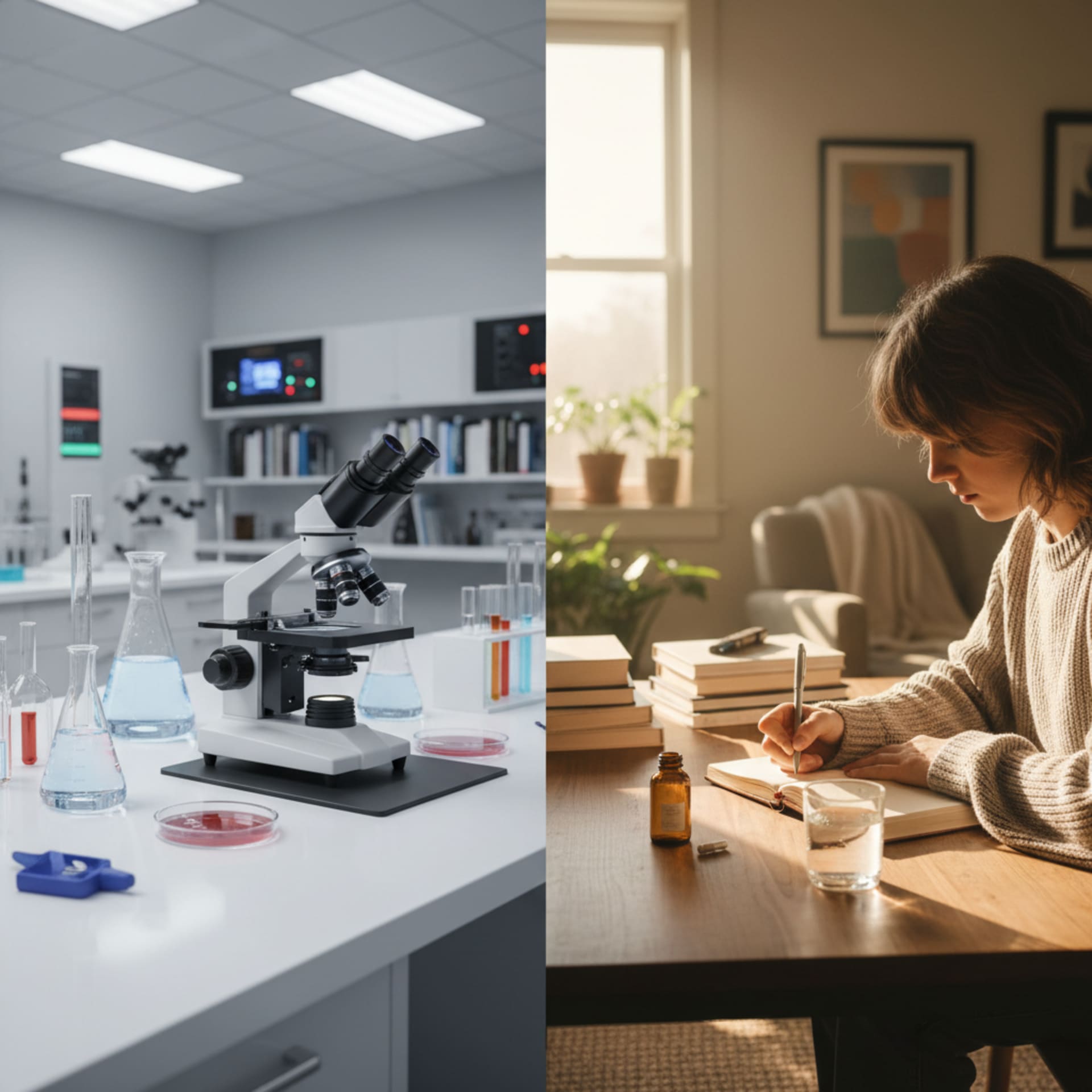
Microdosing vs. Clinical Research: A Tale of Two Worlds
Quick Summary
A recent study found that millions of adults are microdosing psilocybin, making it a primary way people use psychedelics. This widespread, real-world use is very different from the high-dose, medically supervised studies happening in clinical research. The article explains this growing gap and why product consistency is so important for users.
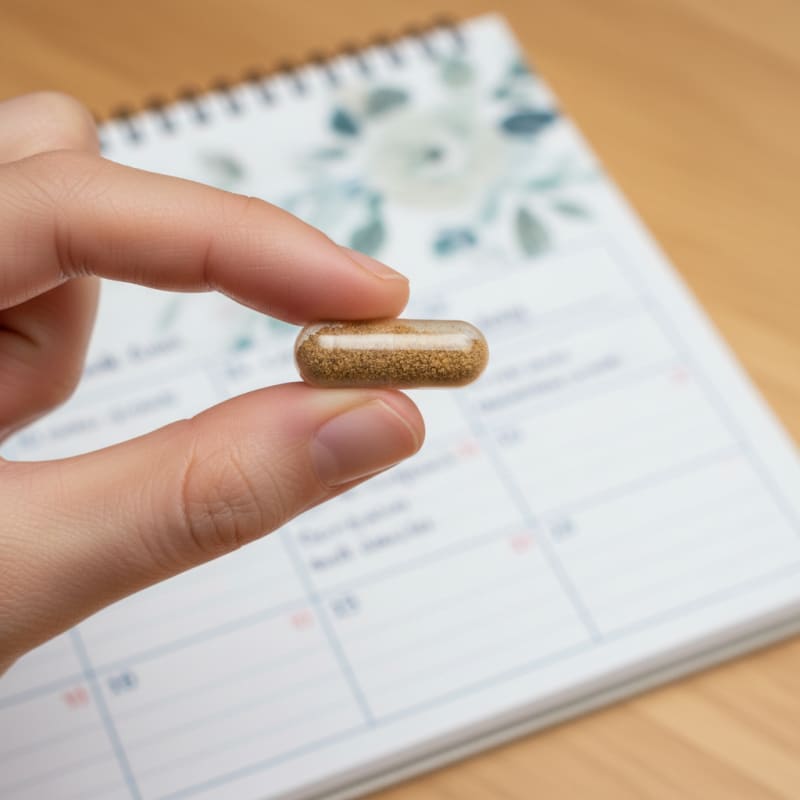
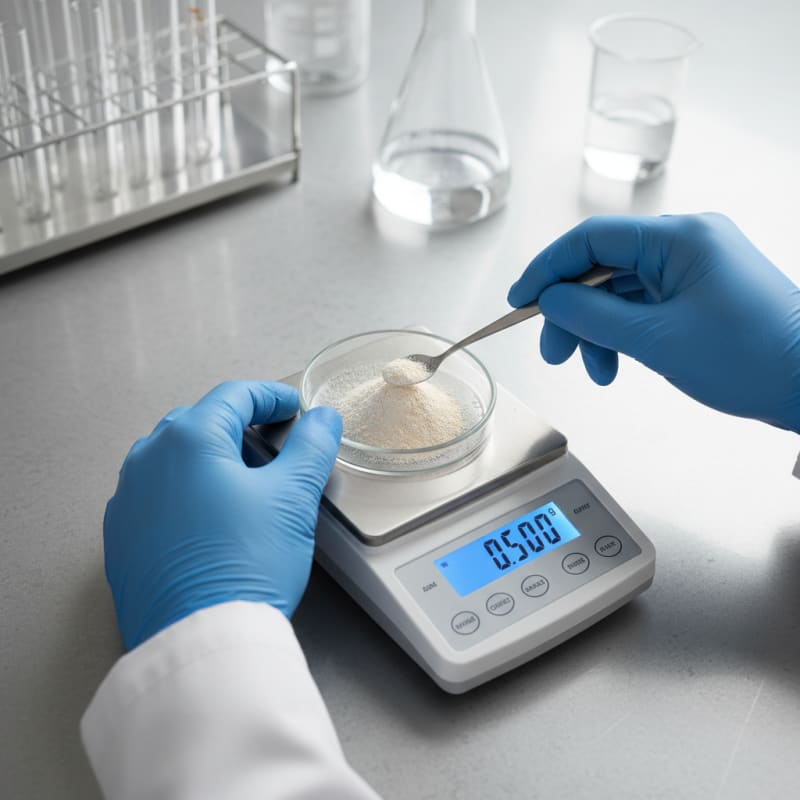

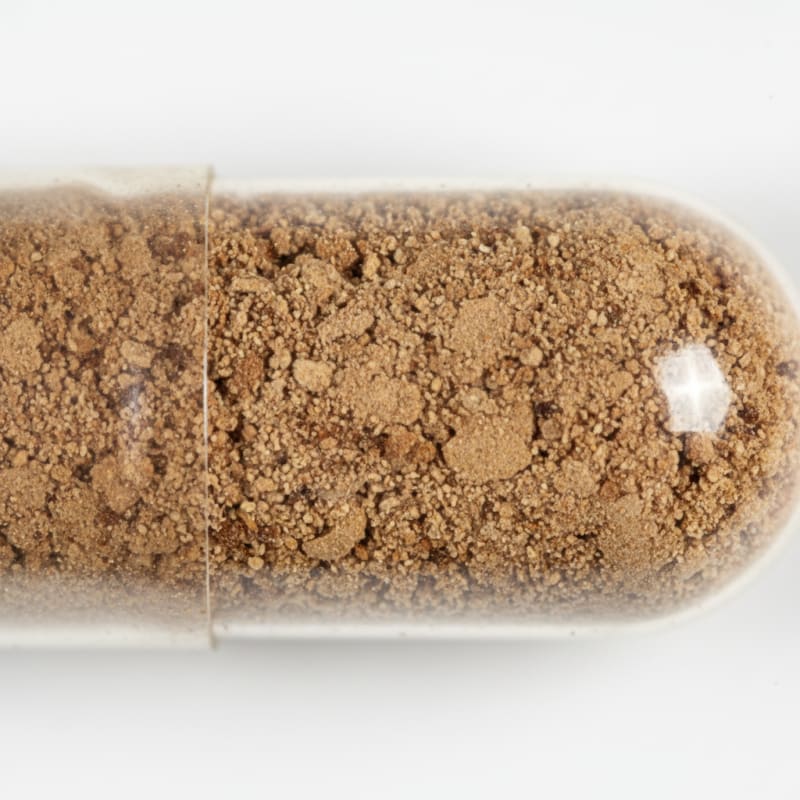
An estimated 10 million U.S. adults are now microdosing psychedelics, according to a landmark 2026 RAND study. This data confirms what many have observed for years: the practice of taking sub-perceptual doses of compounds like psilocybin has moved from a niche biohacking trend to a mainstream wellness practice. For a significant portion of users, microdosing is their primary or only mode of engagement with psychedelics. Two-thirds of past-year psilocybin users report microdosing, and it accounts for nearly half of all psilocybin use days.
This user-driven phenomenon exists on a parallel track to the slow, methodical world of clinical research, which is also experiencing a renaissance. Esteemed institutions like the Johns Hopkins Center for Psychedelic and Consciousness Research are making incredible strides, but their work and the real-world use of millions could not be more different. This has created two distinct worlds of psilocybin use: the formal, high-dose therapeutic model and the informal, low-dose wellness model.
How Prevalent Has Microdosing Become?
The numbers are significant. The RAND report provides the first major data set to quantify the sheer scale of microdosing. It suggests that of the 11 million adults who used psilocybin in the past year, the majority did so at a low dose. This is not a rounding error or a fringe group; it indicates a fundamental shift in how psilocybin is being consumed.
This trend is driven by individuals seeking benefits for goals that often fall outside the scope of clinical medicine:
- Enhanced creativity and focus
- Improved mood and emotional regulation
- Greater presence and mindfulness
- Alleviating sub-clinical conditions like mild anxiety
The growth has occurred almost entirely outside of regulatory or medical supervision. It is a citizen-science movement on a massive scale, with individuals developing their own protocols, sharing anecdotal reports, and creating a body of knowledge separate from the scientific establishment. This contrasts sharply with the popular media narrative, which often focuses exclusively on the high-dose therapeutic potential being explored in labs. For more context on why research tends to focus elsewhere, our post on why science overlooks microdosing offers further detail.
What Does Clinical Psychedelic Research Actually Study?
While millions are self-experimenting with microdoses, formal psychedelic research is almost exclusively focused on a different paradigm: the high-dose, therapeutically supported experience. As detailed by research centers like Johns Hopkins, the clinical model involves:
- High Doses: Administering a single, large, perceptual dose of psilocybin intended to induce a profound alteration of consciousness.
- Medical Supervision: Sessions occur in a controlled clinical setting with trained psychotherapists or medical staff present at all times.
- Therapeutic Framework: The psilocybin session is part of a broader psychotherapeutic protocol, which includes extensive preparation and integration sessions.
- Specific Indications: Research is targeted at treating severe, diagnosable conditions such as Major Depressive Disorder (MDD), end-of-life anxiety for cancer patients, and substance use disorders.
This approach has demonstrated remarkable potential and is essential for developing psilocybin into a prescription treatment. However, its goals, methods, and cost are fundamentally different from the everyday practice of microdosing. For users navigating their own wellness path, the precision of a lab-tested product is critical. For those following a structured regimen, products like our Clarity Microdose Capsules provide a consistent, pre-measured dose ideal for tracking effects accurately. You can browse our full selection in the capsules shop.
Why Has This Disconnect Emerged?
The gap between real-world use and clinical research isn't intentional; it’s a product of their different objectives and constraints. Clinical trials must be rigorous, standardized, and safe, which makes studying long-term, self-administered microdosing incredibly difficult.
Several factors contribute to this disconnect:
- Pace: Clinical trials are methodical and can take years to produce results. User adoption is rapid and iterative, driven by immediate personal needs.
- Dosing Standards: As critics point out, there is no universally agreed-upon standard for what a "microdose" is. This makes it hard to design a study that accurately reflects real-world habits.
- Measurable Outcomes: To gain regulatory approval, clinical trials need to demonstrate a statistically significant effect on a recognized disease. The goals of microdosing—like "improved creativity"—are subjective and difficult to quantify in a clinical setting.
- Safety and Liability: It is far simpler and contains less liability to study a single dose in a controlled environment than it is to send subjects home with a month’s supply of a psychoactive substance.
This leaves the average user in a unique position. They are participating in a massive wellness trend but are operating without the guidance and data that formal research provides. This underscores the importance of sourcing from suppliers who prioritize transparency and quality control, as discussed in our article on what "lab tested" actually means.
As the landscape evolves, a wider array of precisely dosed products becomes available. Options like our Focus Gummies deliver a defined amount of psilocybin in a familiar format, giving users reliable tools to manage their own wellness. Check them out in our gummies selection.
The widespread, grassroots adoption of microdosing demonstrates a powerful public interest in the potential of psilocybin beyond the high-dose clinical model. This user-led movement has effectively created a vast, real-world dataset that science and policy have only just begun to acknowledge.

ShroomDash Editorial Team
Published 2026-03-06 · 4 min read read · Microdosing