Microdosing’s Public Health Paradox
Quick Summary
A recent study estimates that millions of adults are regularly microdosing psilocybin. This common practice stands in stark contrast to formal scientific research, which focuses almost exclusively on high-dose therapeutic sessions. This gap creates a public health paradox, with a massive user base operating without standardized safety data or clinical guidance.
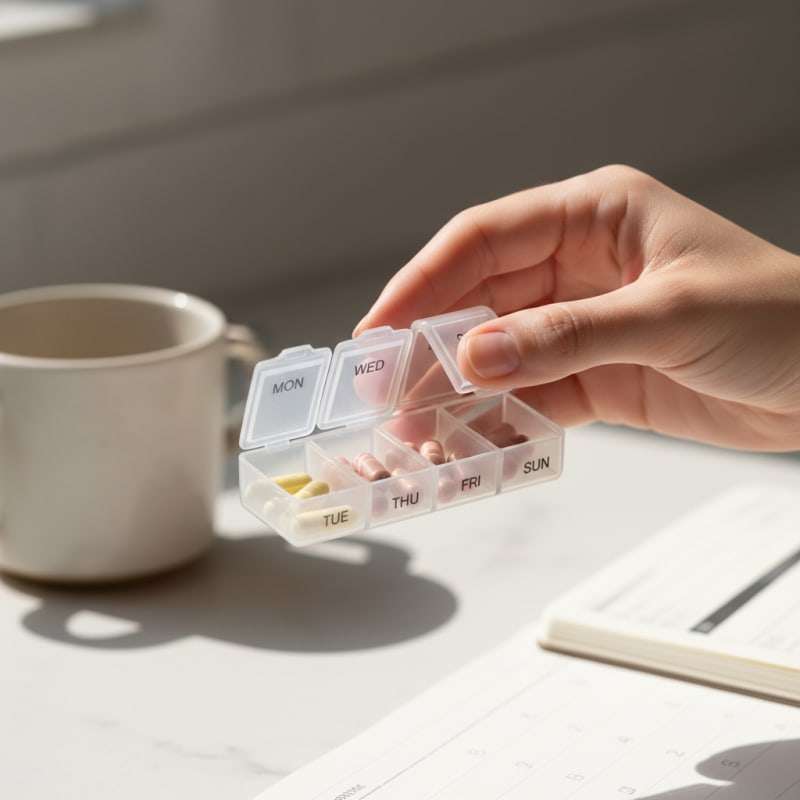

Recent data reveals a fascinating divide in the world of psilocybin. On one side, there are highly controlled, well-funded clinical trials exploring the potential of high-dose psilocybin to treat serious conditions. On the other, a recent RAND study estimates that millions of adults are regularly microdosing—taking small, non-intoxicating amounts of psilocybin for wellness purposes. This widespread, real-world use exists almost entirely outside of formal scientific oversight, creating what can be described as a public health paradox.
The numbers are significant. The RAND report suggests that among adults who used psilocybin in the last year, approximately two-thirds reported microdosing at least once. By their measure, nearly half of all psilocybin "use days" involved a microdose. This indicates that sub-perceptual dosing is not a niche activity; it is a primary way people are engaging with psilocybin today. Yet, the bulk of scientific and media attention remains fixed on high-dose sessions, leaving the most common use case largely unstudied.
How Common is Microdosing Really?
The scale of microdosing is difficult to overstate. While clinical trials may involve a few hundred participants over several years, millions are independently choosing to microdose. This suggests that users are seeking benefits that fall outside the scope of current medical research, such as enhanced creativity, improved mood, increased focus, and general well-being.
This user-led movement has been fueled by anecdotal reports and community-driven knowledge sharing. Individuals are developing their own protocols, often based on the work of early proponents like James Fadiman. The practice has become a grassroots phenomenon, standing in stark contrast to the top-down, medically supervised model of clinical research. For a data-driven look at what defines these doses, our post "What Is A Microdose? A Data-Driven Look" provides further context.
The sheer volume of use paints a clear picture: microdosing addresses a perceived need that current medical and wellness systems may not be meeting. Users are not typically seeking a profound psychedelic experience. Instead, they are integrating psilocybin into their lives in a subtle, routine manner, similar to taking a daily supplement.
Why Isn't There More Scientific Data?
The focus of major research institutions like the Johns Hopkins Center for Psychedelic and Consciousness Research is on paradigm-shifting treatments for severe psychiatric conditions. In this context, a high dose of psilocybin makes sense as a research variable. It produces a powerful, measurable, and often transformative experience that can be clearly distinguished from a placebo. The dramatic effects of a "heroic dose" are easier to quantify and study within the established framework of randomized controlled trials (RCTs).
Microdosing presents several challenges to this model:
- Subtlety of Effects: The intended effects of microdosing—like a slight uplift in mood or sharper focus—are subtle and can be difficult to differentiate from the placebo effect. Designing a trial that can reliably measure these nuanced changes is complex and expensive.
- Duration and Consistency: Microdosing occurs over extended periods (weeks or months). A proper study would need to track participants for just as long, introducing more variables and increasing costs.
- Regulatory Hurdles: Psilocybin remains a controlled substance. Gaining approval for research is a rigorous process, and funding has historically prioritized studies that promise the most dramatic therapeutic breakthroughs for pressing conditions like severe depression or addiction.
Given these factors, researchers have concentrated on the low-hanging fruit: proving psilocybin’s efficacy in a format (high-dose, in-clinic) that fits the existing medical research model. For individuals who choose to microdose outside this framework, product consistency is paramount. Using a lab-tested product like Core Microdose Capsules ensures that each dose is precise and predictable, which is critical when following a sub-perceptual protocol. You can find such precisely dosed products in our capsules collection.
What Are the Public Health Considerations?
The disconnect between millions of users and a lack of formal guidance is the core of the public health paradox.
First, there is no professional consensus on best practices. Without clinical guidelines, users are left to navigate dosage, frequency (e.g., one day on, two days off), and duration on their own. This raises questions about who should and should not microdose. For example, individuals with a family history of psychosis or those taking certain medications like SSRIs are operating with very little clinical safety data.
Second, the product market is largely unregulated. Consumers face a risk of inconsistent dosing, where one batch may be significantly more potent than the next. This is why our own internal standards emphasize the importance of homogenization and testing, as we explain in our post about "What 'Lab Tested' Actually Means". Many users are turning to stacked formulations that combine psilocybin with other compounds. For instance, our Neuro Blend Capsules include Lion’s Mane and Niacin, a popular combination intended to support cognitive function, but users should understand what each component does.
Finally, the most significant unknown is the long-term impact of sustained low-dose psilocybin administration. Researchers have theoretical concerns about potential effects on cardiac valve tissue due to the repeated activation of the 5-HT2B serotonin receptor. While this is based on effects seen with other substances, not psilocybin itself, it remains an open question that can only be answered through long-term, observational studies that do not yet exist.
The prevalence of microdosing reflects a clear public interest in the potential wellness benefits of psilocybin, far outpacing the speed of clinical science. This creates a critical need for research to catch up with real-world use, focusing on the safety, efficacy, and long-term effects of this now-common practice.

ShroomDash Editorial Team
Published 2026-03-17 · 4 min read read · Lab Science