

Microdosing Prevalence: A Look at the Numbers
Quick Summary
Recent studies show that microdosing psilocybin is a mainstream practice, with nearly two-thirds of users having tried it. This widespread, real-world use for sub-perceptual effects contrasts with the high-dose focus of clinical research. This data highlights a clear public demand for consistent, accurately-dosed products.
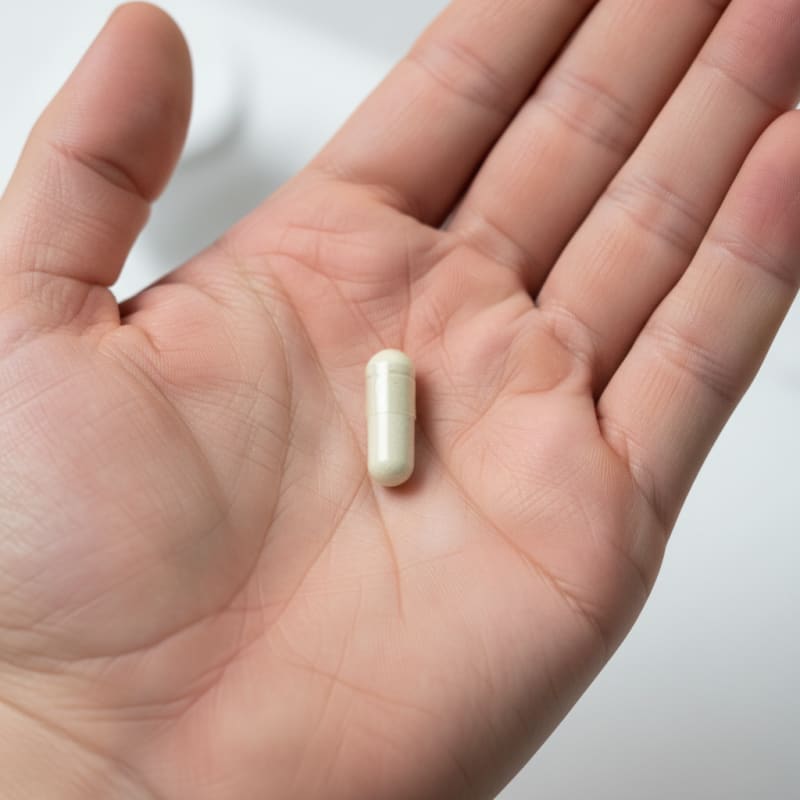
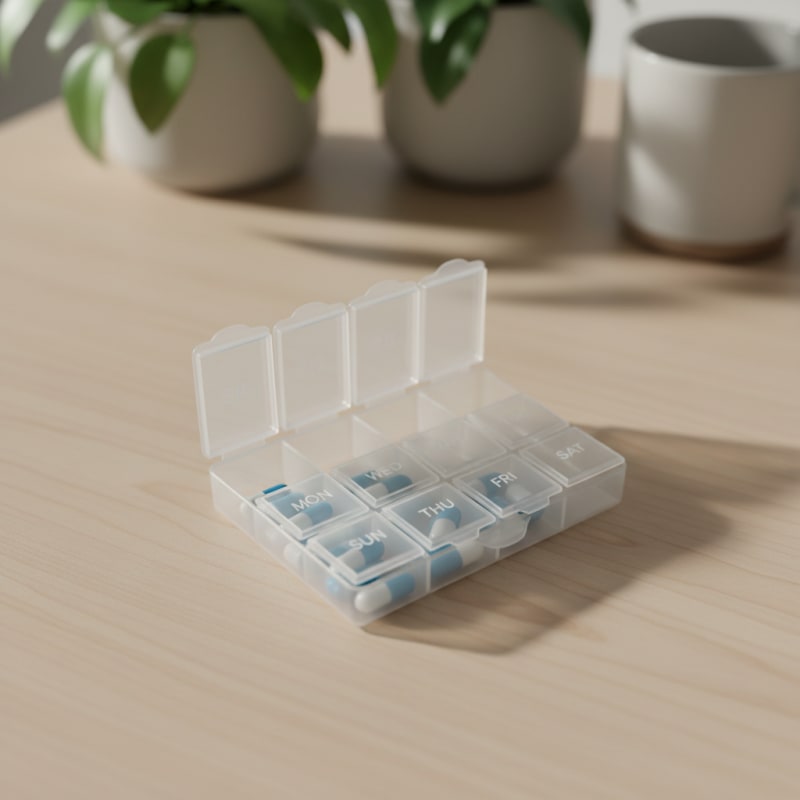
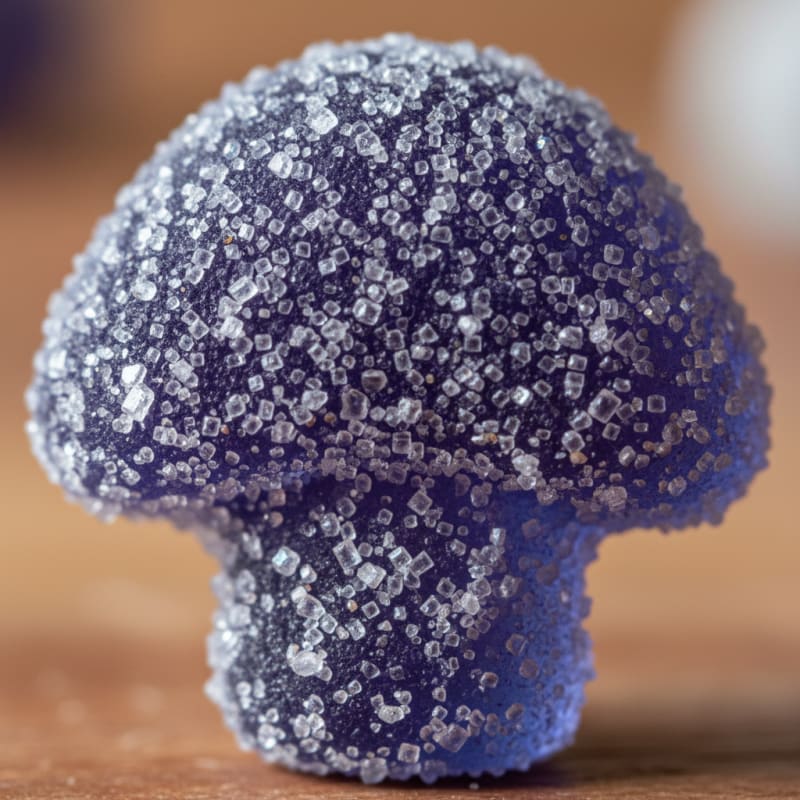

Recent data reveals a significant, often under-reported, aspect of modern psychedelic use: microdosing is not a niche activity but a mainstream practice. A landmark 2026 RAND study projected that among the millions of adults who use psilocybin, approximately two-thirds have microdosed. The data suggests that nearly half of all days of psilocybin consumption involved a microdose. This paints a clear picture of a user base that is integrating sub-perceptual doses into their regular lives, a reality that stands in stark contrast to the narratives often presented in mainstream media and the focus of clinical research.
This widespread adoption has largely occurred outside of formal medical or scientific frameworks, fueled by anecdotal reports and a growing desire for tools that may enhance well-being, creativity, and focus. While clinical trials grab headlines, this quiet, grassroots movement represents a significant portion of all psychedelic use. Understanding the sheer scale of this practice is essential for contextualizing the future of psilocybin, from public health discussions to product development.
How Common Is Microdosing Really?
The numbers are more significant than many assume. The RAND study provides the first large-scale quantitative look into this practice, estimating that of the 11 million adults who used psilocybin, a vast majority did so at a sub-perceptual level at least once. The finding that microdosing accounted for nearly 50% of all use-days is particularly telling. It reframes psilocybin not just as a tool for occasional, profound experiences but as a substance frequently used in small, measured amounts for subtle, ongoing effects.
This behavior points to a fundamental shift in user intent. The goal is not an altered state of consciousness but rather a sub-threshold modulation of mood, cognition, and perception. For these users, the experience is defined by what it *doesn't do—it doesn't disrupt daily function, cause hallucinations, or require a controlled setting. This aligns with the reported benefits many users seek, which you can read more about in our post on the benefits of microdosing.
This data suggests a user base that is mature and intentional, prioritizing consistency and control. When the objective is a sub-perceptual effect, the precision of the dose is paramount. This is where standardized products become critical.
- User Intent: The primary goal is cognitive and emotional enhancement, not a psychoactive trip.
- Frequency: Microdosing occurs more regularly than full-dose experiences, becoming part of a routine.
- Discretion: The practice is subtle by nature and integrates seamlessly into daily life.
For individuals exploring sub-perceptual doses, the consistency of a product like the Core Microdose Capsules is paramount. Each capsule contains a precisely measured amount of psilocybin, removing the guesswork and variability associated with other formats.
Why Has Research Lagged Behind Public Practice?
While millions of people are microdosing, the vast majority of well-funded scientific research, such as that conducted at the Johns Hopkins Center for Psychedelic and Consciousness Research, remains focused on a different paradigm. The current clinical model emphasizes high-dose, therapeutically-guided sessions to treat severe conditions like major depressive disorder and end-of-life anxiety. This approach requires significant medical oversight, controlled environments, and is extremely resource-intensive.
There are valid reasons for this focus:
- Controlling Variables: Studying the subtle effects of microdosing is notoriously difficult. The placebo effect is powerful, and isolating the compound's true impact requires complex study designs.
- Funding and Regulation: Securing funding and regulatory approval for psychedelic research is easier when targeting a severe, unmet medical need. High-dose therapy provides a clearer, more measurable outcome.
- Logistical Hurdles: Clinical trials for microdosing would require participants to dose at home, introducing numerous variables that are hard to control from a scientific standpoint.
This gap between clinical interest and real-world use is a defining feature of the current landscape. As we've detailed in our article on why science overlooks microdosing, the scientific establishment is built to answer questions in a way that the grassroots microdosing movement doesn't easily allow. The result is a body of formal research that, while valuable, does not reflect the behavior of the majority of users.
How Does This Data Change Our Understanding?
The sheer prevalence of microdosing confirms it as a durable and significant form of psychedelic use. It is not a fleeting trend but a fundamental way in which a large portion of the public engages with psilocybin. This obligates a shift in perspective, moving the conversation from one of fear or skepticism to one of acknowledgment and responsible engagement.
Understanding that millions are actively microdosing underscores the importance of access to reliable, accurately dosed products. When a practice is this widespread, the priority becomes ensuring that those who participate can do so with confidence in what they are consuming. The demand for precisely measured products, from psilocybin capsules to edibles, is a direct reflection of a user base that values control and predictability over intensity. The desire for predictable dosing isn't limited to one format. Edibles like our Focus Microdose Gummies also provide a standardized amount per piece, offering an alternative for those who prefer it.
This data provides a powerful counter-narrative to sensationalized media coverage that may portray psychedelic use as inherently risky or radical. For a quiet majority, it is a measured and integrated part of a wellness-oriented lifestyle.
The widespread adoption of microdosing, as revealed by recent data, indicates a significant divergence between formal research priorities and the lived experiences of millions of adults. This gap highlights a clear and present demand for consistent, well-understood, and accessible products outside of strictly clinical settings.

ShroomDash Editorial Team
Published 2026-03-03 · 4 min read read · Microdosing