

Microdosing: The New Norm for Psilocybin Use?
Quick Summary
Recent data reveals microdosing is the most common method of psilocybin use, accounting for almost half of all consumption days. Despite its popularity for wellness, scientific research overwhelmingly focuses on high-dose therapeutic sessions for treating clinical conditions. This creates a significant knowledge gap between real-world use and what is formally studied.
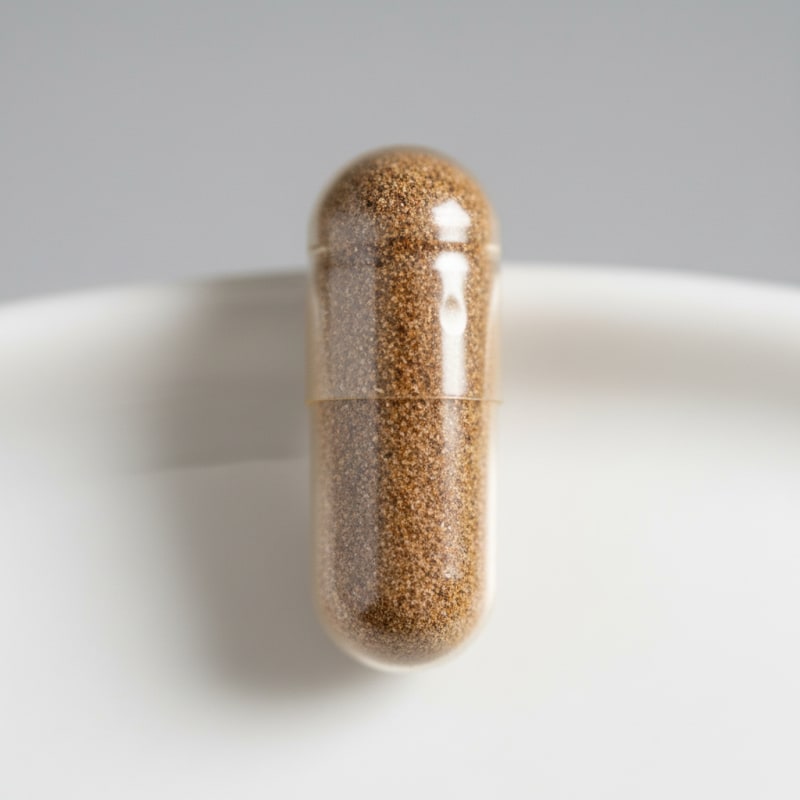

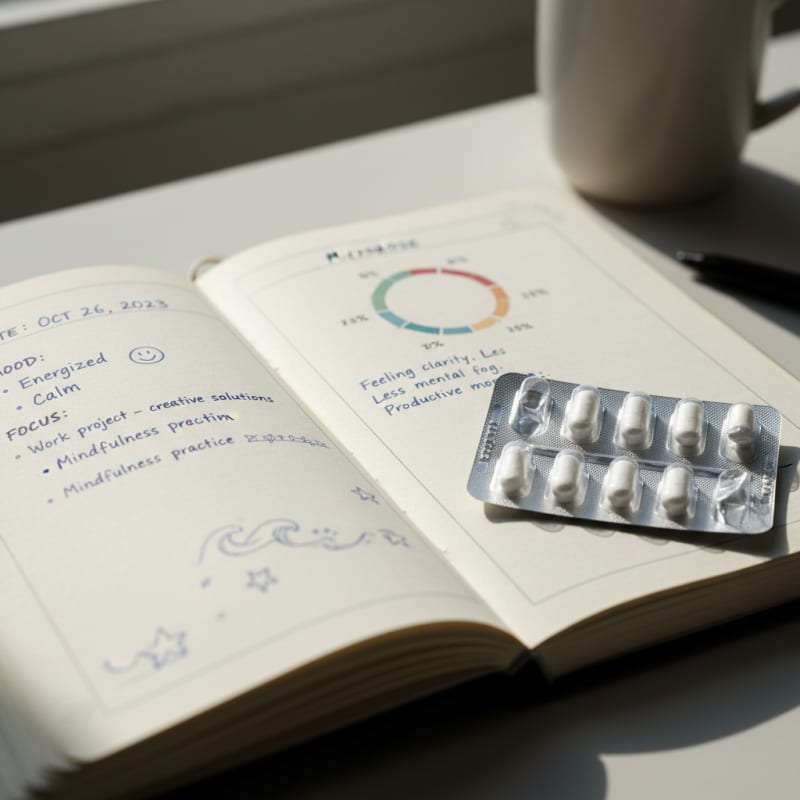
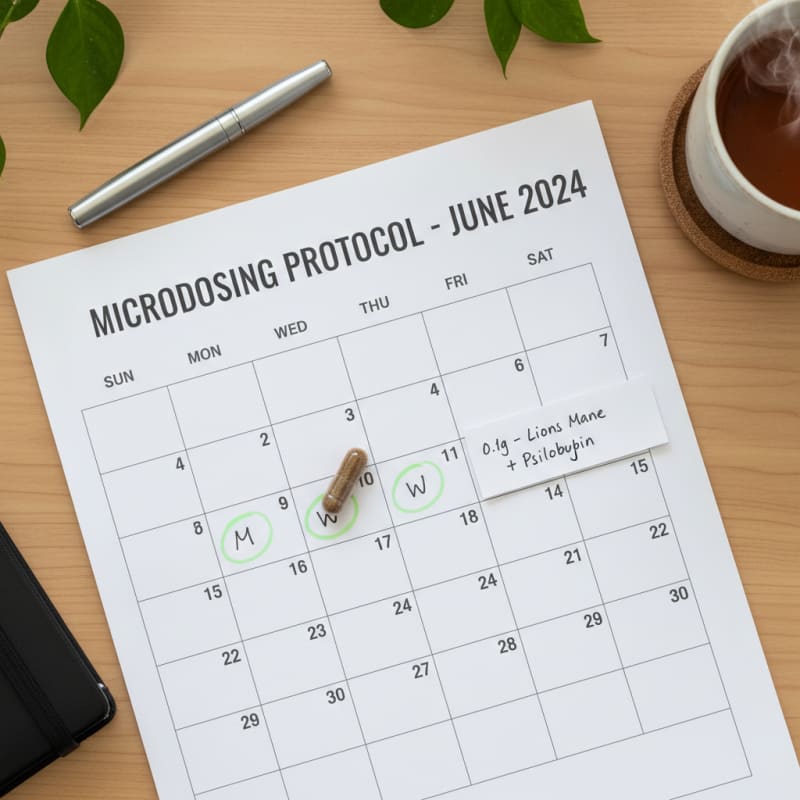
New data reveals a surprising truth about psilocybin consumption: microdosing is not a niche activity but the most common way people interact with the substance. A 2026 RAND study estimates that of the more than 200 million days of psilocybin use in the past year, nearly half involved microdosing. This trend highlights a significant disconnect between real-world wellness practices and the focus of the scientific community, which overwhelmingly prioritizes high-dose, clinical applications.
While headlines and clinical trials focus on the profound, transformative "trip," a quieter, more widespread movement is taking place. Millions of individuals are integrating sub-perceptual doses of psilocybin into their regular routines for more subtle benefits related to mood, creativity, and focus. This divergence begs the question: if microdosing is the norm, why does most research seem to ignore it?
Why Does Clinical Research Focus on High Doses?
The current landscape of psilocybin research, exemplified by institutions like the Johns Hopkins Center for Psychedelic and Consciousness Research, is built around a specific model: high-dose, therapeutically supported sessions. This approach is not an accident; it is a strategic necessity for navigating the worlds of medical research and regulatory approval.
Key reasons for this focus include:
Clear, Measurable Outcomes: A high-dose psychedelic experience produces significant, often profound, changes in consciousness, perception, and emotion. These effects are dramatic and can be measured with neuroimaging (fMRI), psychological questionnaires, and patient-reported outcomes. For researchers trying to prove the efficacy of a novel treatment for conditions like major depressive disorder or end-of-life anxiety, these strong signals are invaluable. The Therapeutic Model: Psychedelic-assisted therapy is designed as an intervention, not a daily regimen. The goal is to catalyze a breakthrough in a limited number of sessions, providing a durable therapeutic effect that lasts for months or even years. This model is more analogous to surgery or other intensive medical procedures than it is to taking a daily pill. Funding and Feasibility: Securing funding for research, especially with a Schedule I substance, requires a hypothesis with a high likelihood of producing a clear, publishable result. A study on a 5-gram dose for severe depression is more likely to yield statistically significant data than a three-month study on 100-milligram doses for general well-being. Historical Context: Early psychedelic research in the 1950s and 60s also focused on high doses to understand the outer limits of consciousness and their therapeutic potential. The modern resurgence has picked up that thread, albeit with far more rigorous scientific controls.
This clinical model has shown immense promise. However, its focus on acute, powerful experiences means it has very little to say about the most common use case for psilocybin in the wild: microdosing. For those looking for practical guidance, our Beginner's Guide to Mushroom Products offers a good starting point for understanding different formats.
What Makes Microdosing So Difficult to Study?
If millions are microdosing, the lack of robust clinical data can be frustrating. However, studying the practice presents a unique set of challenges that make it a "hard problem" for researchers.
The primary hurdles include:
Defining the Dose: There is no universally accepted definition of a "microdose." Is it 50mg, 100mg, or 250mg of dried mushroom? Does it vary based on the potency of the Psilocybe cubensis strain? This lack of standardization makes it nearly impossible to design a single study or compare results across different ones. The Power of Placebo: The intended effects of microdosing—subtle shifts in mood, improved focus, or enhanced creativity—are highly susceptible to the placebo effect. In a blinded study, it is incredibly difficult to determine if a participant feels better because of the psilocybin or because they believe they are taking psilocybin. This is a recurring issue in microdosing trials. Long-Term Tracking: Unlike a single-day clinical session, a proper microdosing study requires tracking participants for weeks or months. This is logistically complex, expensive, and introduces countless confounding variables. Participants change diets, start new exercise routines, or experience life events that can all influence the outcome. Sourcing and Consistency: Researchers must use a standardized, lab-verified product. This is where products like precisely dosed edibles, such as our Focus Microdose Capsules, come in. In the real world, users may be consuming products of unknown potency, making their anecdotal reports difficult to translate into a controlled setting. Consumers interested in consistency often turn to manufactured formats available in our /shop?category=capsules.
This is why much of the conversation around microdosing remains driven by anecdote rather than clinical evidence, a gap explored further in Psilocybin: Clinical Research vs. Real-World Use.
What Does This Mean for the Average User?
The current situation creates two parallel worlds of psilocybin. The first is the clinical world, focused on high-dose interventions for serious mental health conditions. The second is the wellness world, where millions of people are using small doses to navigate their daily lives, largely without clinical oversight or a strong evidence base.
One of the most promising products for bridging this gap is a consistent, low-dose format. For instance, Clarity Microdose Capsules are formulated with 100mg of psilocybin mushrooms per capsule, allowing users to precisely control their intake in a way that is impossible with raw mushrooms.
The popularity of microdosing shows no signs of slowing. As consumer use continues to outpace scientific research, the demand for reliable data on the long-term effects, safety, and actual benefits of this widespread practice will only grow more intense. It forces a re-evaluation of psilocybin not just as a powerful therapeutic tool, but as a compound with a wide spectrum of applications.
The divergence between how psilocybin is formally studied and how it is most commonly used in practice remains one of the most significant and fascinating aspects of the modern psychedelic landscape.

ShroomDash Editorial Team
Published 2026-03-08 · 4 min read read · Microdosing