
Microdosing by the Millions: A New Report
Quick Summary
A new RAND study reveals that microdosing is far more common than previously thought, with an estimated 10 million U.S. adults participating. Psilocybin is the most popular substance, with nearly half of all use days involving a microdose, indicating it is a regular practice for many.
Until recently, microdosing was often perceived as a niche activity, confined to wellness enthusiasts in Silicon Valley or creative professionals seeking an edge. However, new data is painting a dramatically different picture of who is microdosing and just how common the practice has become. A landmark 2026 study from the RAND Corporation has provided one of the first comprehensive looks into the prevalence of psychedelic use, revealing that millions of adults are integrating microdosing into their regular lives.
The report, drawing from a first-of-its-kind survey, estimates that 10 million U.S. adults microdosed psychedelics in 2025. This finding fundamentally shifts the conversation from a fringe trend to a significant, mainstream wellness practice. It suggests a widespread, quiet adoption of sub-perceptual dosing that has largely flown under the radar of public health organizations and policymakers.
How Common is Psilocybin Microdosing Really?
The RAND study examined the use of 11 different substances, but psilocybin—the active compound in magic mushrooms—stood out as the most common. According to the research, an estimated 11 million adults used psilocybin in the past year. The data reveals just how integral microdosing is to this use:
- Two-thirds of all psilocybin users reported microdosing at least once in the past year.
- Nearly half of all psilocybin use days involved microdosing.
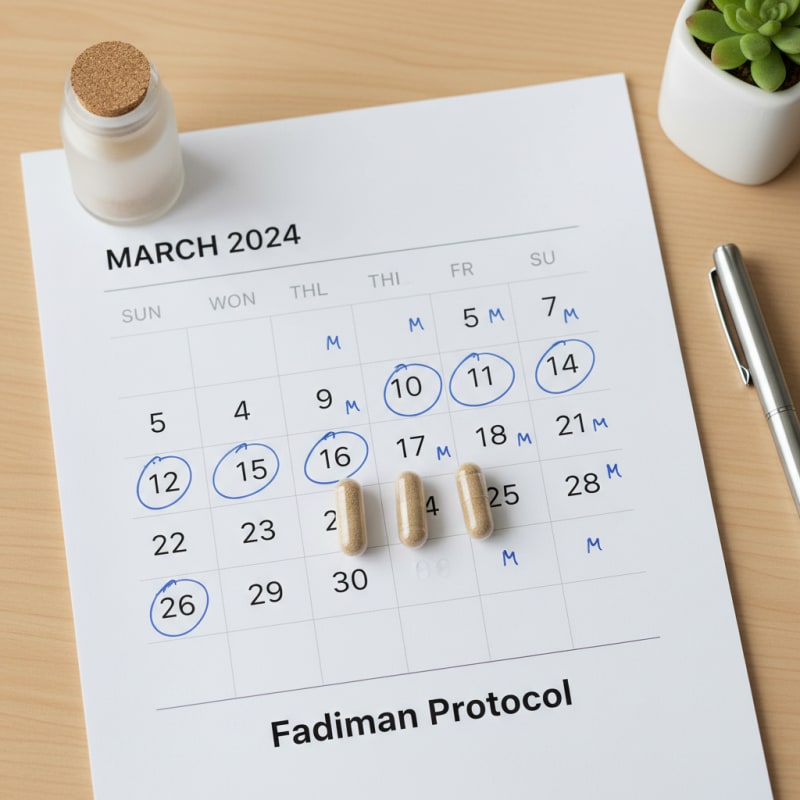
This last point is particularly telling. It means that for every ten days psilocybin is consumed in the United States, nearly five of those involve a microdose. This demonstrates that for a vast number of people, microdosing is not a one-time experiment but a sustained, intentional practice. It’s a tool being used consistently for specific goals, which often necessitates a structured approach to timing and dosage. Many users follow established protocols, as detailed in our complete microdosing schedule guide, to manage tolerance and maximize potential benefits.
The data confirms that an enormous amount of real-world use is happening outside of clinical settings. While controlled trials are essential for establishing clinical efficacy, this widespread adoption suggests a massive, user-driven exploration of psilocybin's properties.
What Qualifies as a "Microdose" in Research?
It is important to understand what researchers mean by "microdosing," as the term can be used loosely. The RAND study defines it as taking a very small dose without the intention of producing an altered state of consciousness. This is the key distinction that separates microdosing from recreational or therapeutic high-dose experiences.
A microdose is, by design, sub-perceptual. It is not meant to cause psychoactive effects, hallucinations, or a "trip." Instead, the reported goals are often tied to more subtle shifts in mood, creativity, and mental clarity. The study notes that many people microdose to manage symptoms of anxiety and depression or to improve general well-being.
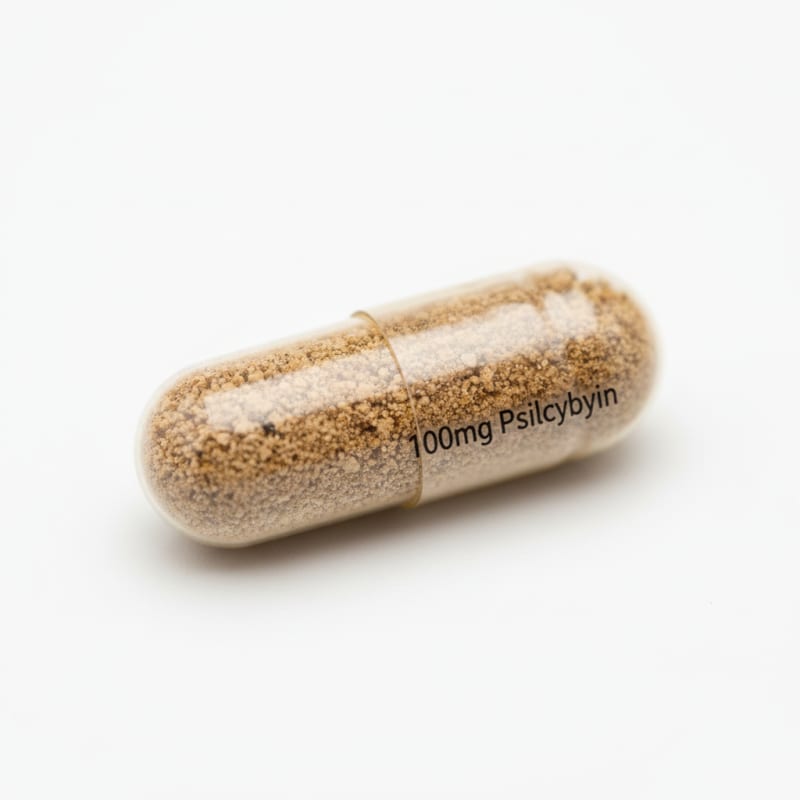
Achieving a truly sub-perceptual dose requires precision. The potency of raw mushrooms can vary significantly, making consistent dosing difficult. This is why many people opt for precisely measured products. For those following a protocol, our Core Microdose Capsules (100mg) are formulated to provide a consistent, reliable dose of *Psilocybe cubensis. This removes the guesswork and ensures the dose remains below the psychoactive threshold, which is critical for anyone seeking to integrate microdosing into a regular routine without disrupting daily life. The goal is to feel functional and clear, which is precisely what defines a "sub-perceptual" microdose.
Why Is This Widespread Use Significant?
The scale of microdosing uncovered by this study is significant because it highlights a major disconnect between real-world behaviour and the focus of formal research and policy. Most clinical trials are centered on high-dose psilocybin sessions for treating specific, severe conditions like major depressive disorder. While this research is vital, it doesn’t reflect how a large percentage of people are actually using psilocybin.
The fact that millions are choosing to microdose suggests a strong public interest in psilocybin as a tool for general wellness and mental health management, not just a treatment for acute illness. This user-led movement has also resulted in the popularization of specific formulations, or "stacks," that combine psilocybin with other non-psychoactive ingredients to target specific outcomes. A popular example is the Clarity Microdose Stack, which combines psilocybin with Lion's Mane mushroom and Niacin. This formula, based on protocols popularized by users online, is aimed at supporting cognitive function and neural health, showing how user anecdotes are driving product innovation.
This groundswell of use creates a vast body of anecdotal data. While not a substitute for controlled scientific research, the experiences of millions of users are a powerful indicator of public interest and perceived benefits. It validates the curiosity of many individuals who may have felt they were exploring the practice in isolation. The data shows they are, in fact, part of a very large and growing cohort.
The current landscape is a fascinating case of public practice outpacing scientific validation and legal frameworks. It mirrors the trajectory of cannabis in previous decades, where widespread use eventually forced research and policy to catch up. The data from the RAND study suggests that for psilocybin, and particularly for microdosing, that process is already well underway.

ShroomDash Editorial Team
Published 2026-03-04 · 4 min read read · Microdosing