
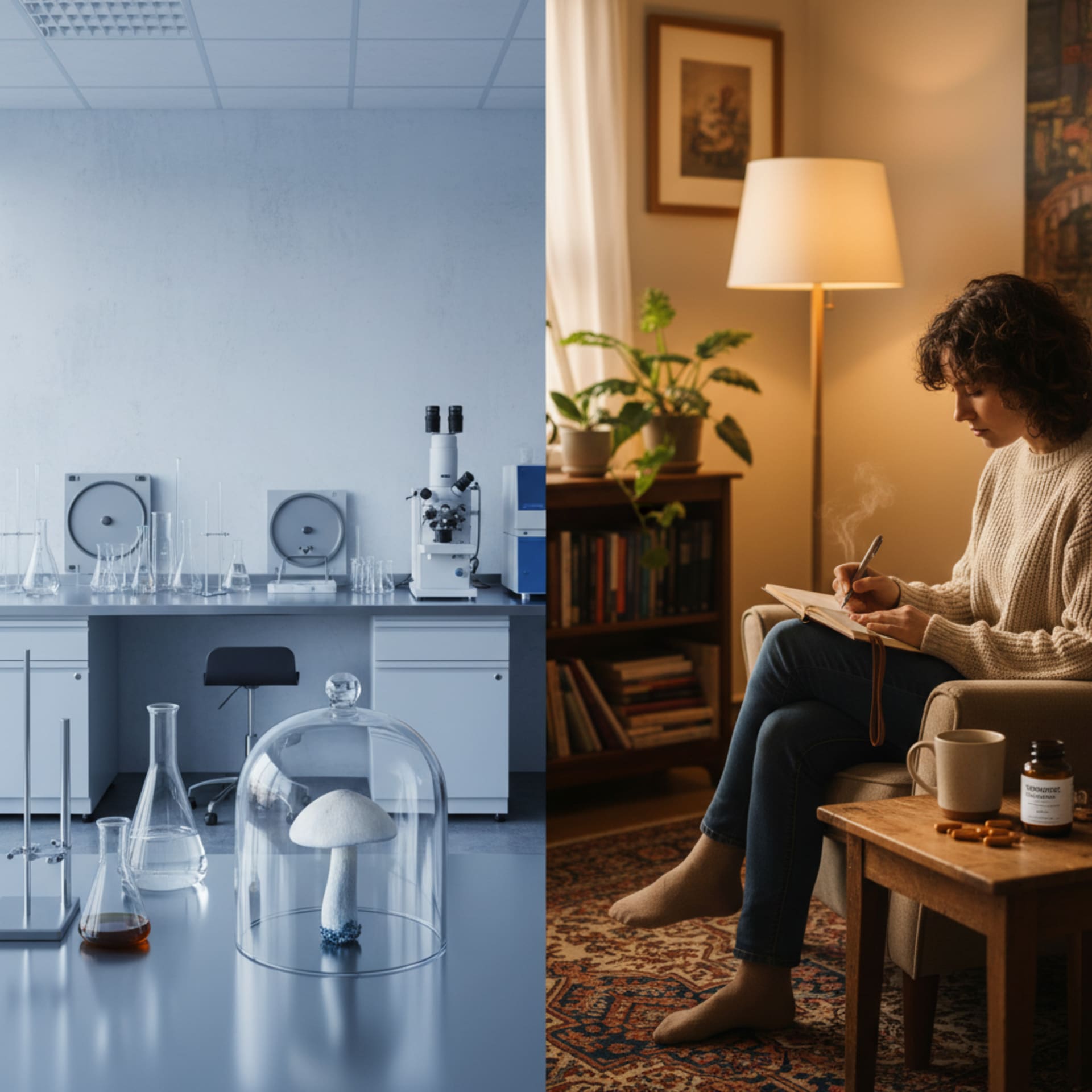
Clinical Trials vs. Wellness Use: Psilocybin's Two Paths
Quick Summary
Recent data shows millions of people microdose psilocybin for wellness, a practice largely overlooked by clinical research. This is because clinical trials focus on high-dose therapy to treat severe medical conditions, a goal that requires different methods and funding than studying subtle wellness effects. The result is two separate worlds of psilocybin use: a formal, medical path and a widespread, user-driven wellness movement.
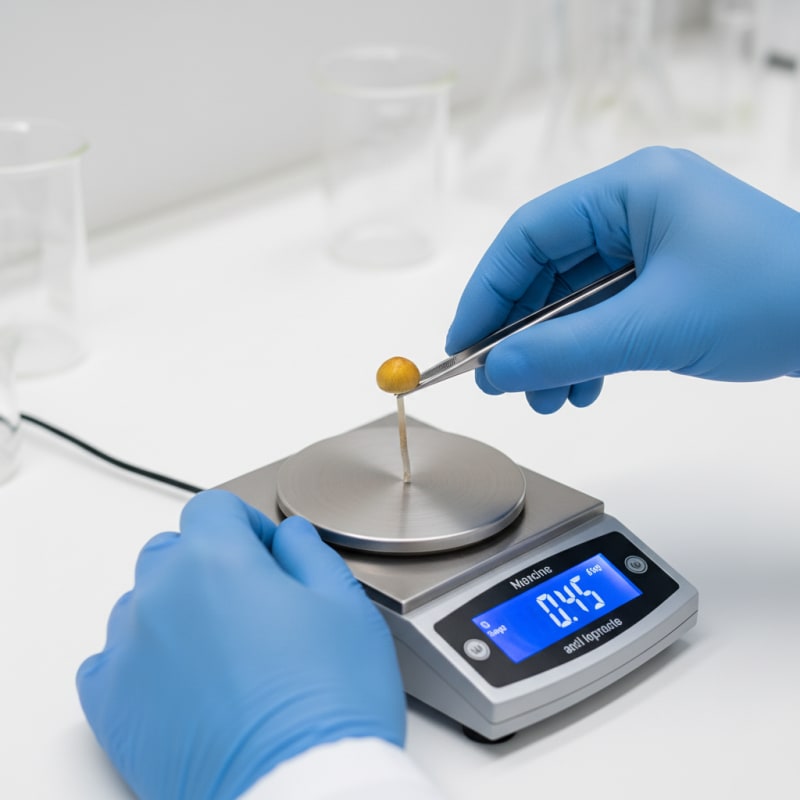
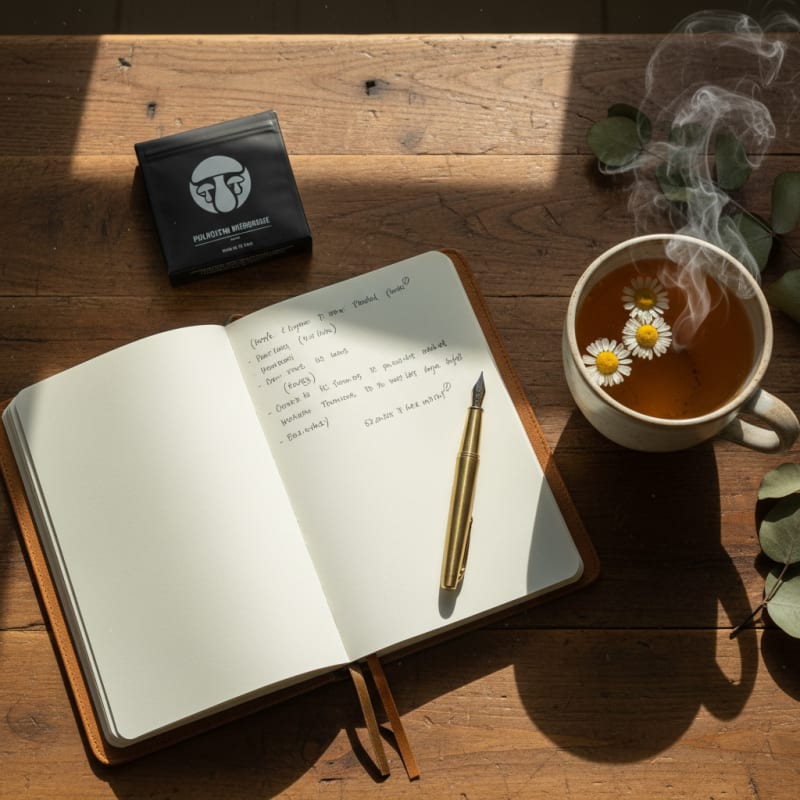
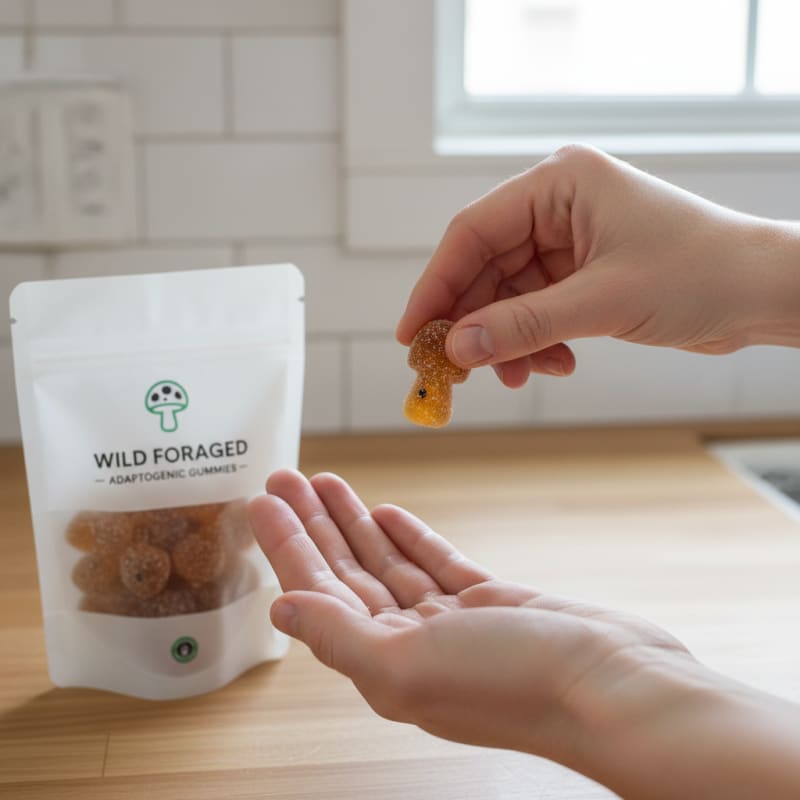
A recent RAND Corporation study revealed a striking statistic: nearly two-thirds of people who used psilocybin in the past year have tried microdosing. The practice of taking small, non-intoxicating doses accounts for almost half of all psilocybin use days. This data confirms what many have long suspected—microdosing is not a niche activity but a dominant method of psilocybin consumption.
Yet, when we hear about psilocybin in the news, the headlines are often dominated by clinical research from institutions like Johns Hopkins, which focuses almost exclusively on high-dose, therapist-guided sessions for treating severe health conditions. This creates a disconnect between the scientific narrative and real-world behaviour. If millions are microdosing for wellness, why does the bulk of formal research ignore it in favour of high-dose therapy? The answer lies in the fundamentally different goals, methods, and constraints of clinical science versus personal wellness.
What Are the Goals of Clinical Psilocybin Research?
High-profile research, such as the work done at the Johns Hopkins Center for Psychedelic and Consciousness Research, operates within a strict medical framework. The primary objective is to determine if psilocybin can be a safe and effective treatment for specific, diagnosable health disorders. This includes conditions like major depressive disorder (MDD), post-traumatic stress disorder (PTSD), and substance addiction.
To achieve this, studies are designed to meet the rigorous standards of regulatory bodies like Health Canada or the U.S. FDA. This involves several key elements:
- High Doses: Clinical trials use macrodoses—typically 20mg of psilocybin or more—capable of producing profound, transformative experiences. These intense sessions are believed to catalyze significant psychological shifts, and their effects are easier to measure with standard psychiatric assessment tools.
- Controlled Settings: The therapeutic power of a psychedelic experience is deeply linked to the environment in which it occurs. Clinical trials are conducted in carefully controlled environments, with patients guided by trained therapists before, during, and after the session. This principle, known as set and setting, is crucial for ensuring safety and maximizing therapeutic outcomes.
- Specific, Measurable Outcomes: The success of a clinical trial is measured by its ability to produce statistically significant improvements in a diagnosed condition. Researchers measure outcomes like "remission from depression" or "reduction in cravings." The goal is not general life improvement but targeted symptom reduction.
This entire model is built to legitimize psilocybin as a medical treatment. It is slow, expensive, and laser-focused on illness, not on the wellness-oriented goals of the average microdoser.
Why Do People Microdose for Wellness?
In contrast to the clinical world, the millions of people microdosing are not typically seeking a cure for a severe psychiatric condition. Their goals are often centered on optimization and general well-being. They engage with psilocybin on their own terms, integrating it into their daily or weekly routines. A data-driven look at what defines a microdose shows that users intentionally seek a sub-perceptual dose that does not interfere with daily functioning.
Common motivations for microdosing include:
- Enhancing creativity and focus
- Improving mood and emotional regulation
- Reducing anxiety
- Supporting social connection
- General mental wellness
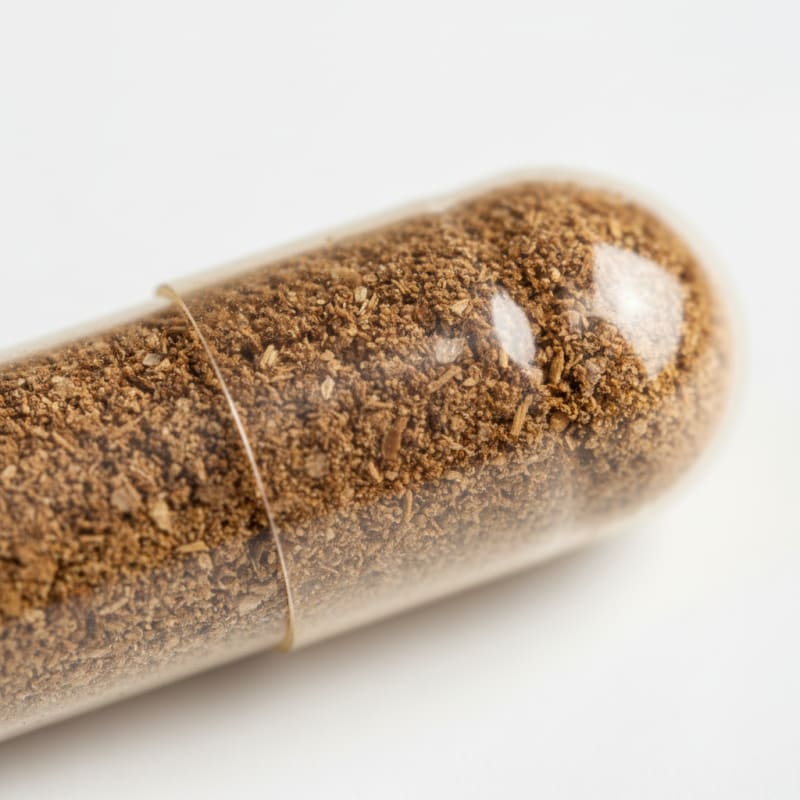
This paradigm is user-driven and proactive. Rather than treating a disorder, users are aiming to enhance their quality of life. For this, precision is key. Products like our Core Microdose Capsules are designed to provide an exact, consistent amount—typically 100mg of ground *Psilocybe cubensis—so individuals can reliably manage their protocol without guesswork. While capsules offer a straightforward approach to a daily regimen, other accessible formats like gummies and chocolates are also available for those exploring wellness use in our shop.
Why Is There a Disconnect Between Research and Reality?
The divergence between clinical and wellness use isn't an oversight; it’s a structural reality. Researchers don't "ignore" microdosing out of bias, but because it fits poorly into the current medical research model.
First, there is the issue of funding and purpose. Medical research is funded to solve diagnosable medical problems. Developing a treatment for depression attracts grants; studying how to make healthy people more creative does not. Regulatory agencies approve drugs to treat diseases, not to facilitate personal growth.
Second, the methodology presents a major hurdle. The subtle effects of microdosing are notoriously difficult to measure and distinguish from placebo. While a high-dose session produces undeniable, quantifiable changes, the effects of a microdose on mood or focus can be subtle and subjective. Designing a study that can reliably prove these small effects is complex and expensive.
This is why there are two distinct paths for psilocybin. The clinical path is for developing a powerful medical intervention for the sick. The wellness path is a grassroots movement for self-improvement and optimization, driven by products like our Rise Mushroom Gummies. Formulated with 100mg psilocybin, Lion's Mane, and Ginseng, they are created for this exact use case: supporting focus and energy as part of a daily routine, not treating a disease in a clinic.
The two worlds operate in parallel with different goals, users, and methodologies. One is not more valid than the other; they are simply answers to very different questions. While clinical research aims to formalize psilocybin as a medicine, the widespread, real-world use of microdosing demonstrates its role as a tool for personal wellness and self-directed enhancement.

ShroomDash Editorial Team
Published 2026-03-16 · 4 min read read · Microdosing