Why Psilocybin Mushrooms Turn Blue When Bruised
Quick Summary
Blue bruising occurs when psilocin in mushroom tissue oxidizes upon contact with oxygen. It appears on stems, caps, or any damaged area. Blue color alone is not a precise measurement of potency.
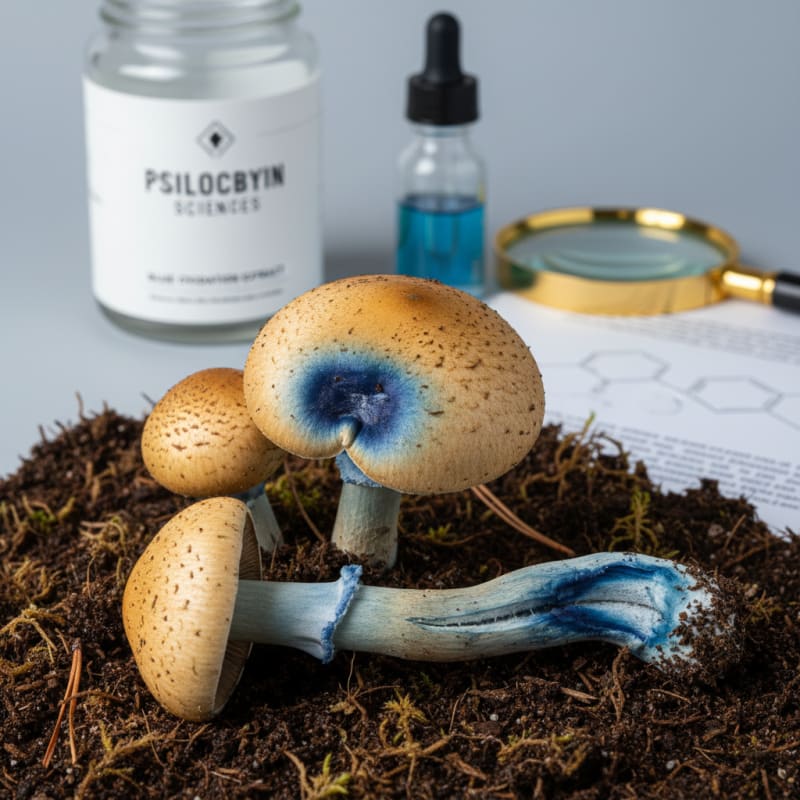
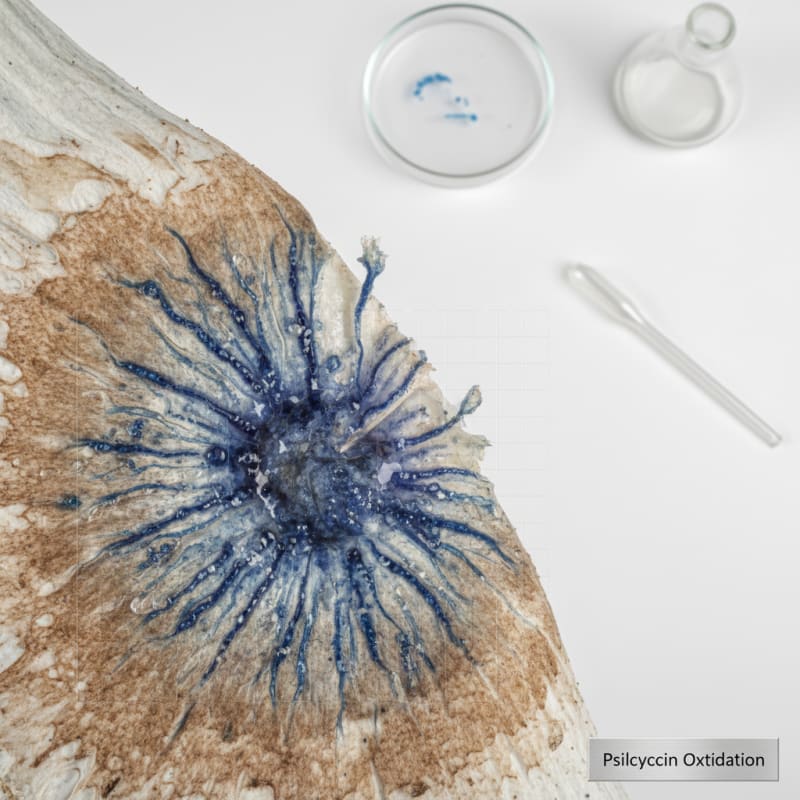
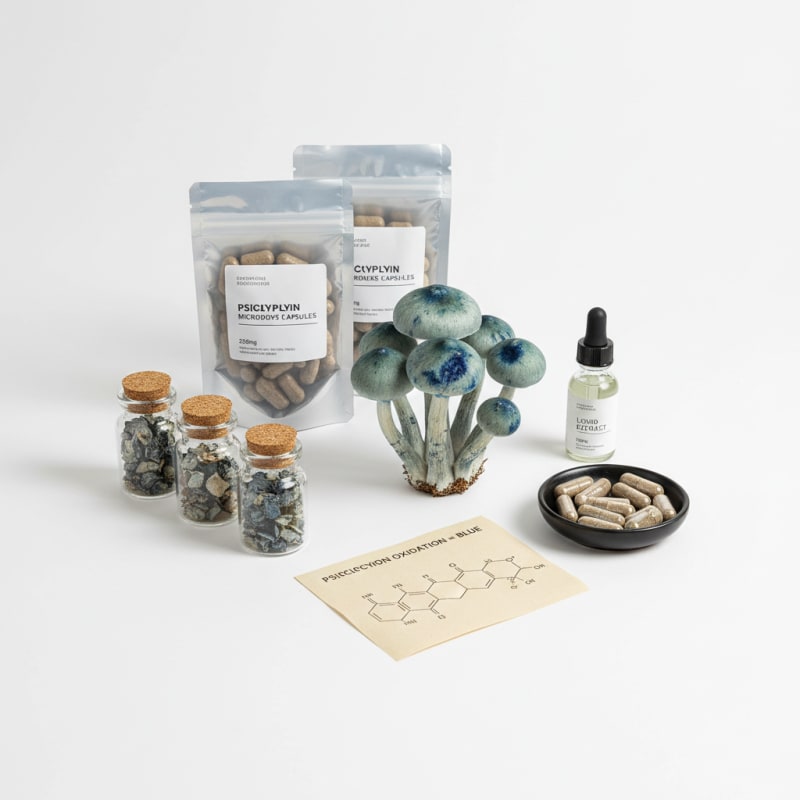
One characteristic that many psilocybin mushrooms share is a blue coloration that appears when the mushroom tissue is damaged.
This effect occurs when compounds inside the mushroom react with oxygen.
The Chemistry Behind Blue Bruising
Psilocybin mushrooms contain the compounds psilocybin and psilocin.
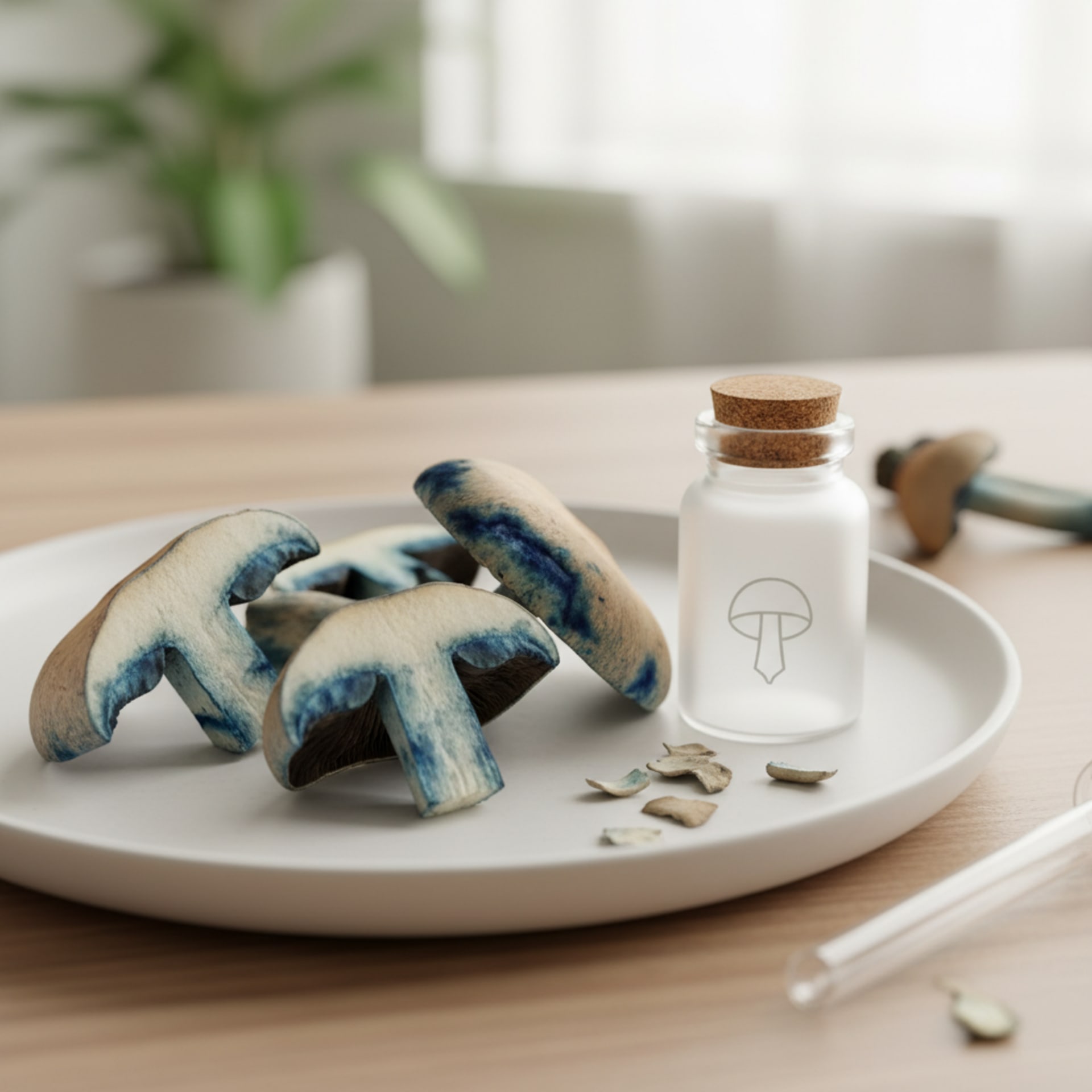
When mushroom tissue is broken or bruised, psilocin can oxidize in the presence of oxygen.
This oxidation reaction produces the blue pigment seen on damaged areas of the mushroom. Understanding the difference between psilocybin and psilocin helps explain why this reaction occurs.
Where Blue Bruising Appears
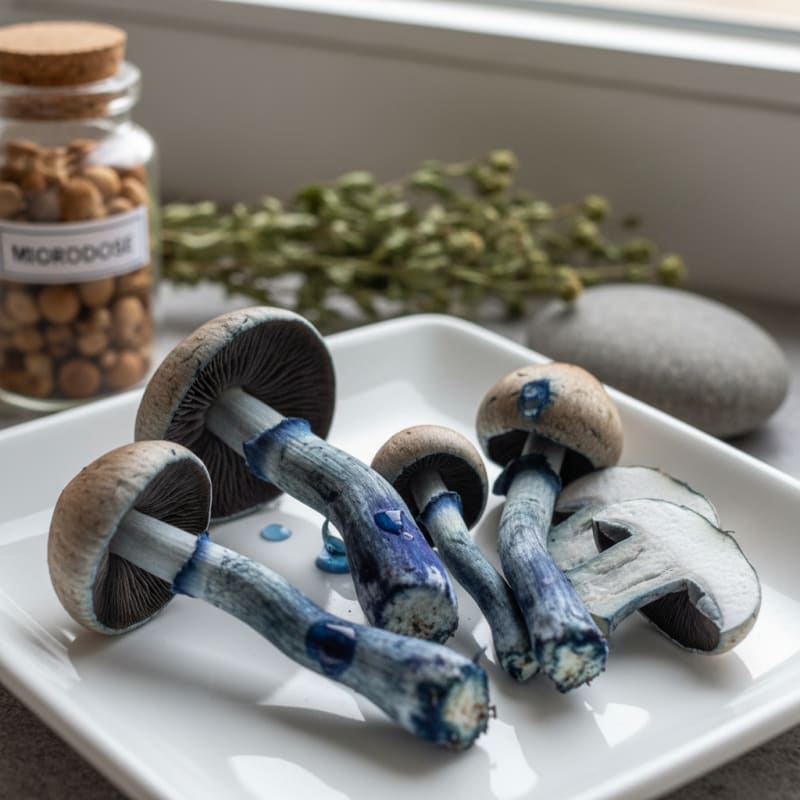
Blue bruising can appear on stems, caps, or any portion of the mushroom that has been handled or damaged.
The color may appear quickly or gradually depending on the amount of psilocin present.
Does Blue Color Mean Stronger Mushrooms
Blue bruising alone is not a precise measurement of potency.
While bruising suggests the presence of psilocin, many factors influence the strength of a mushroom.
These include genetics, growing conditions, and storage. Understanding why potency varies provides additional context for interpreting visual characteristics.

ShroomDash Editorial Team
Published 2026-03-08 · 2 min read · Education