Psilocybin vs Psilocin Explained
Quick Summary
Psilocybin is a prodrug that converts into psilocin after ingestion. Psilocin is the active compound that interacts with serotonin receptors. The conversion process influences onset timing.
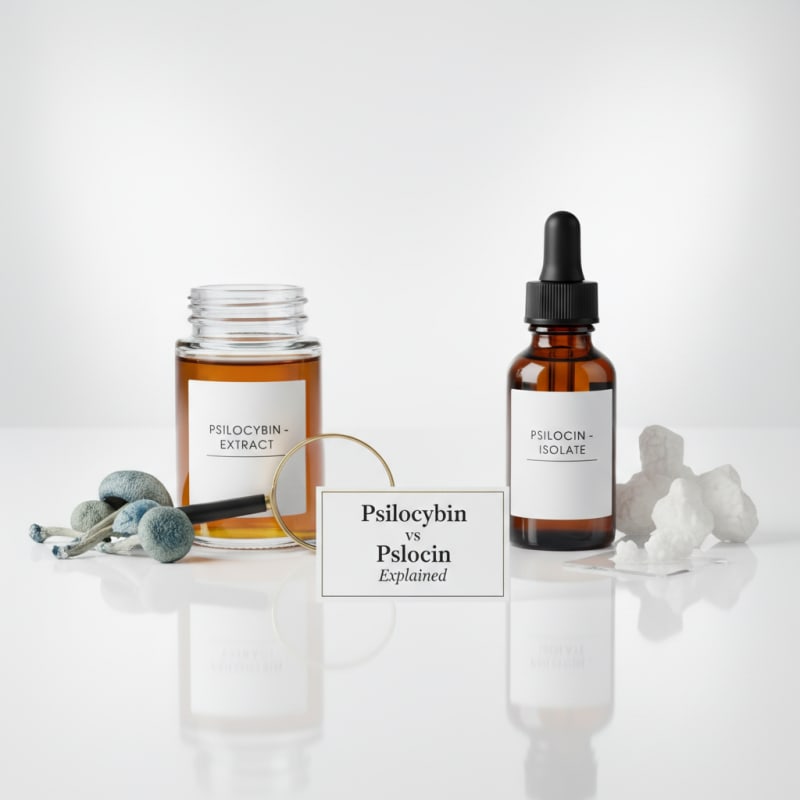
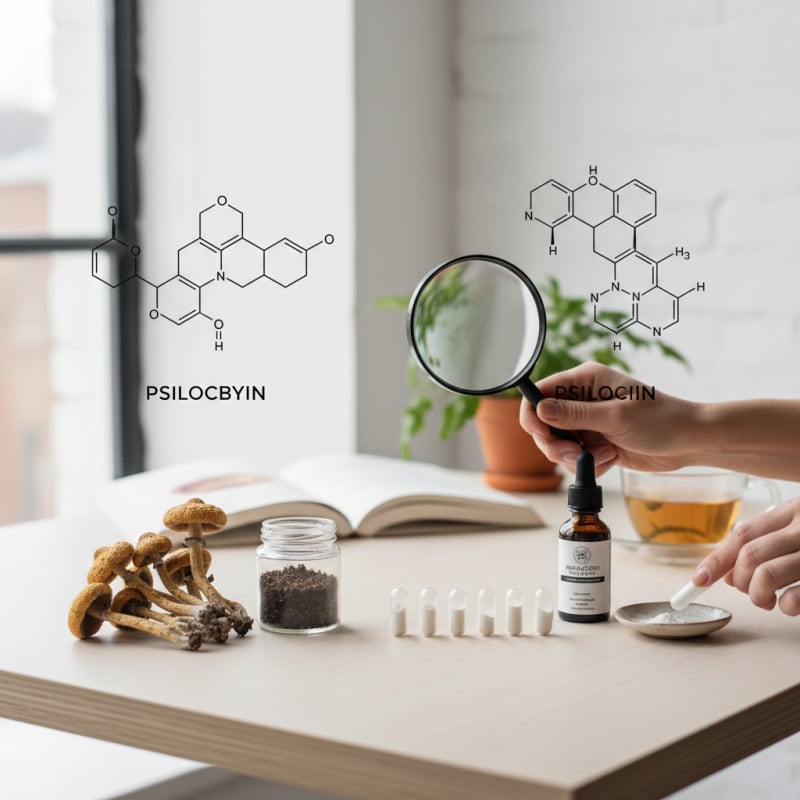
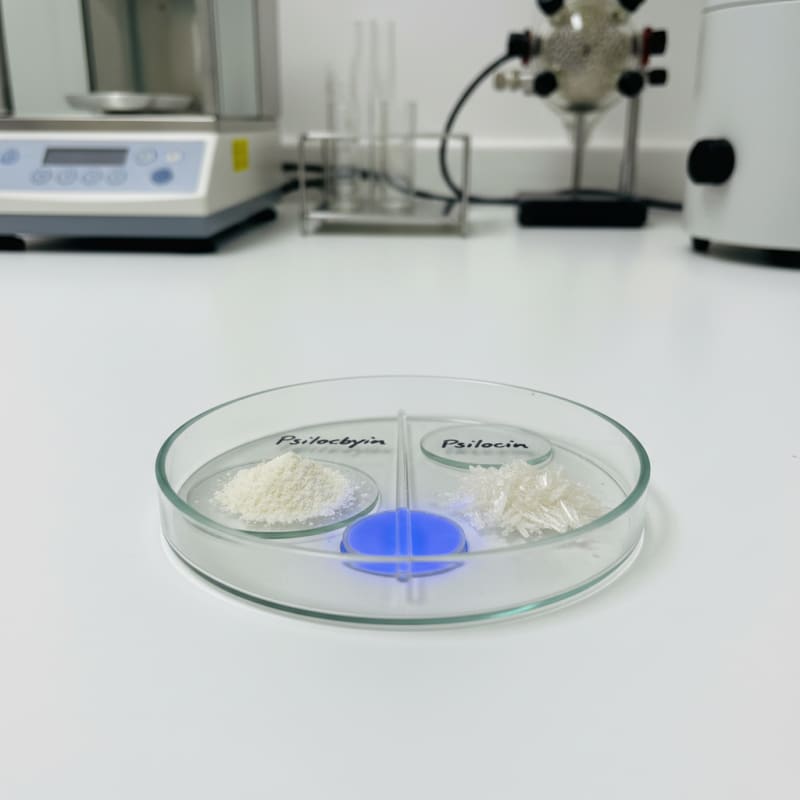
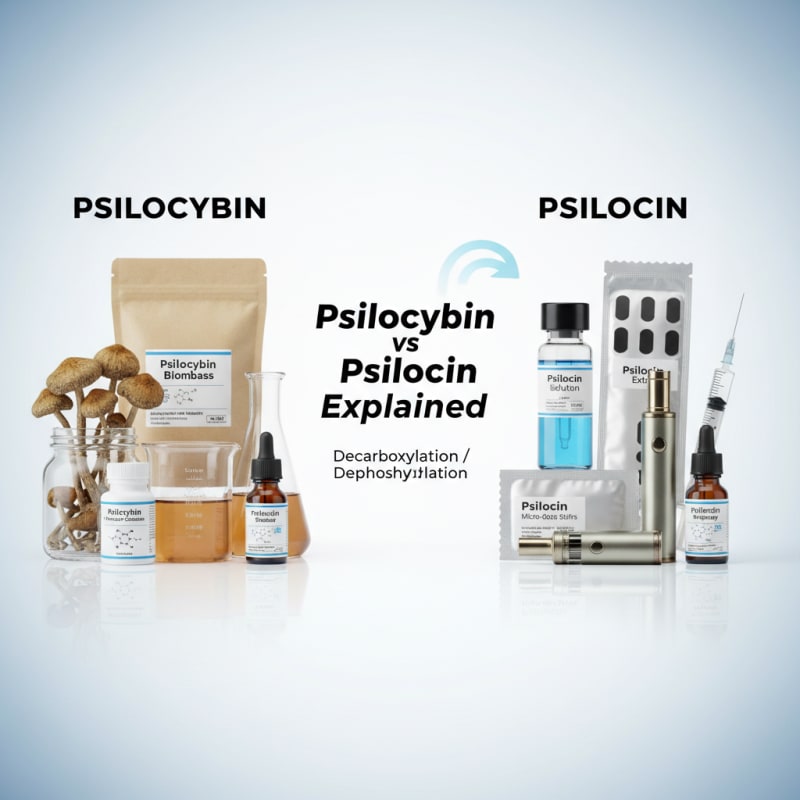
Psilocybin mushrooms contain two closely related compounds called psilocybin and psilocin.
Although the names are similar, the compounds behave differently inside the body.
What Psilocybin Is
Psilocybin is a naturally occurring compound produced by certain mushroom species.
It is considered a prodrug, meaning it converts into another compound after ingestion. For a broader overview of these mushrooms, see what are psilocybin mushrooms.
What Psilocin Is
Psilocin is the compound responsible for interacting with serotonin receptors in the brain.
After psilocybin is consumed, enzymes in the body convert psilocybin into psilocin.
This process allows psilocin to interact with neural receptors.
Why the Conversion Matters
Because psilocybin must convert into psilocin before interacting with the brain, the digestive system plays a role in the onset of effects.
Differences in metabolism can influence how quickly the conversion occurs.
This is one reason onset timing can vary between individuals and consumption formats.

ShroomDash Editorial Team
Published 2026-03-08 · 2 min read · Education