What Happens in the Brain During a Psilocybin Experience

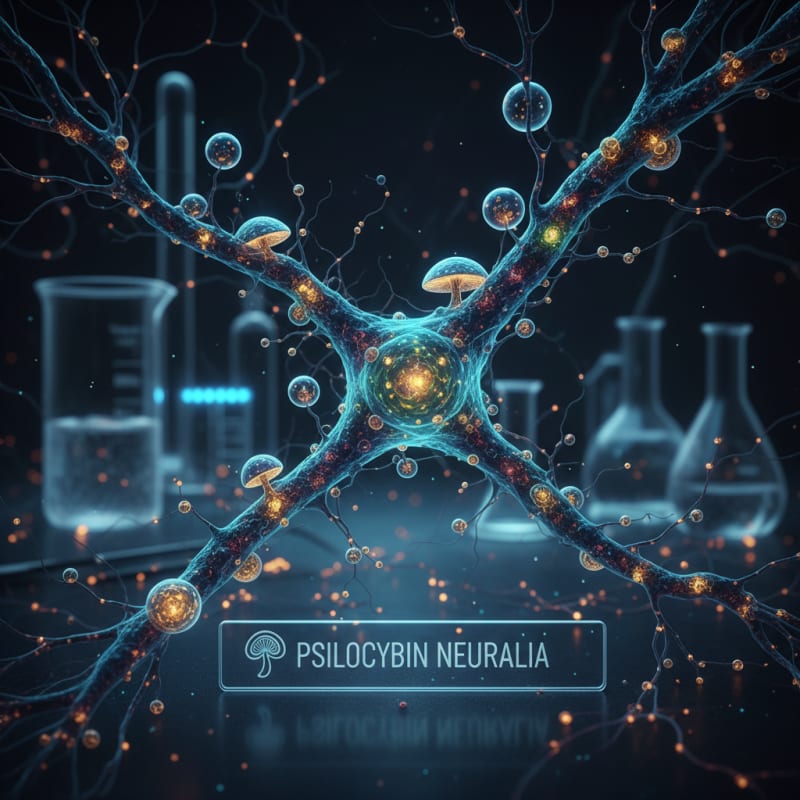
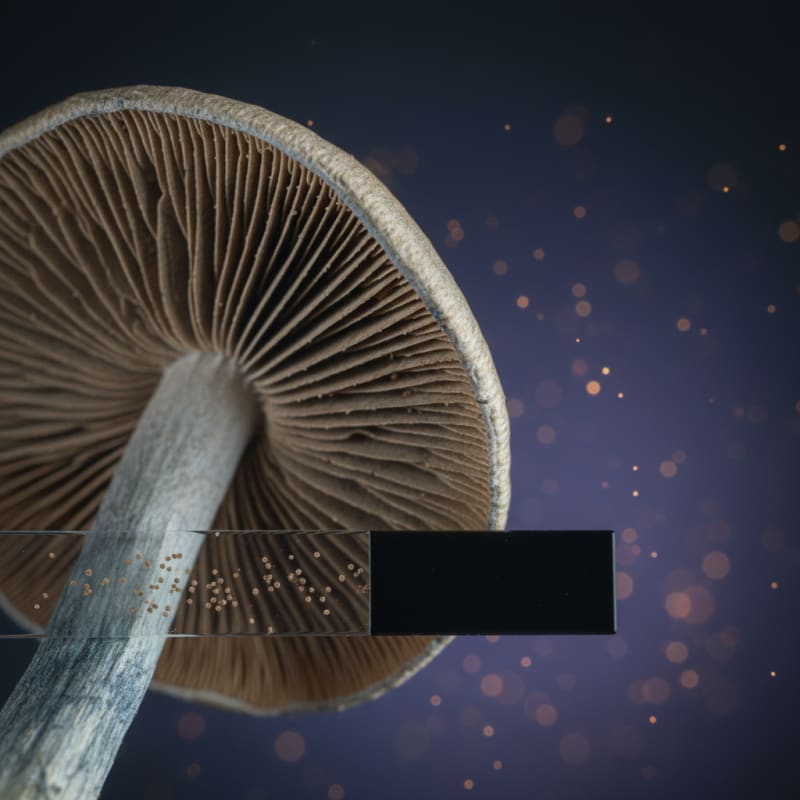
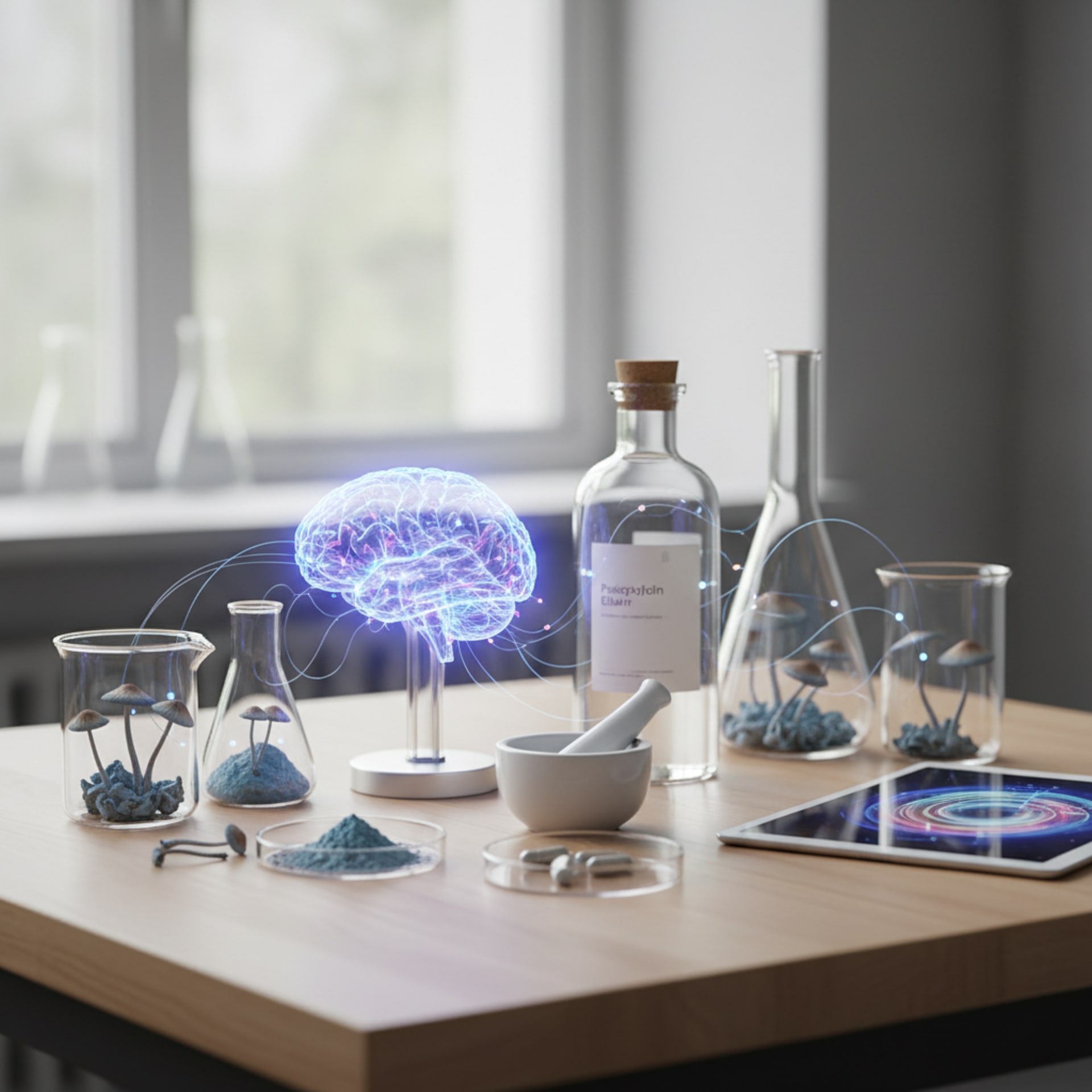
Psilocybin mushrooms produce their effects by interacting with specific receptors in the brain. When consumed, psilocybin converts into psilocin, which can cross the blood-brain barrier and interact with serotonin receptors.
This interaction leads to temporary changes in neural signaling and perception.
Serotonin Receptor Interaction
Psilocin primarily interacts with the serotonin receptor known as 5-HT2A. This receptor is involved in mood, cognition, and perception.
Activation of these receptors changes how signals move between neurons. As a result, the brain processes sensory information differently.
Changes in Brain Connectivity
Brain imaging studies have shown that psilocybin increases communication between different brain regions.
Areas of the brain that normally do not communicate as strongly begin sharing information. This can contribute to altered perception, visual patterns, and changes in thinking.
Default Mode Network
One network that shows decreased activity during psilocybin exposure is the default mode network.
This network is associated with self-referential thinking and internal narrative. Reduced activity in this network is believed to contribute to changes in perspective and perception.
The relationship between set and setting and brain activity remains an active area of observation.

ShroomDash Editorial Team
Published 2026-03-08 · 4 min read · Education