Microdosing by the Numbers: A Mainstream Trend
Quick Summary
Recent studies show microdosing psilocybin has become a mainstream practice, with an estimated 10 million US adults participating. This widespread use, accounting for nearly half of all psilocybin consumption days, is driven by reported benefits for mood and focus. In response, formal clinical trials are now underway to scientifically validate the effects of at-home microdosing for conditions like anxiety.
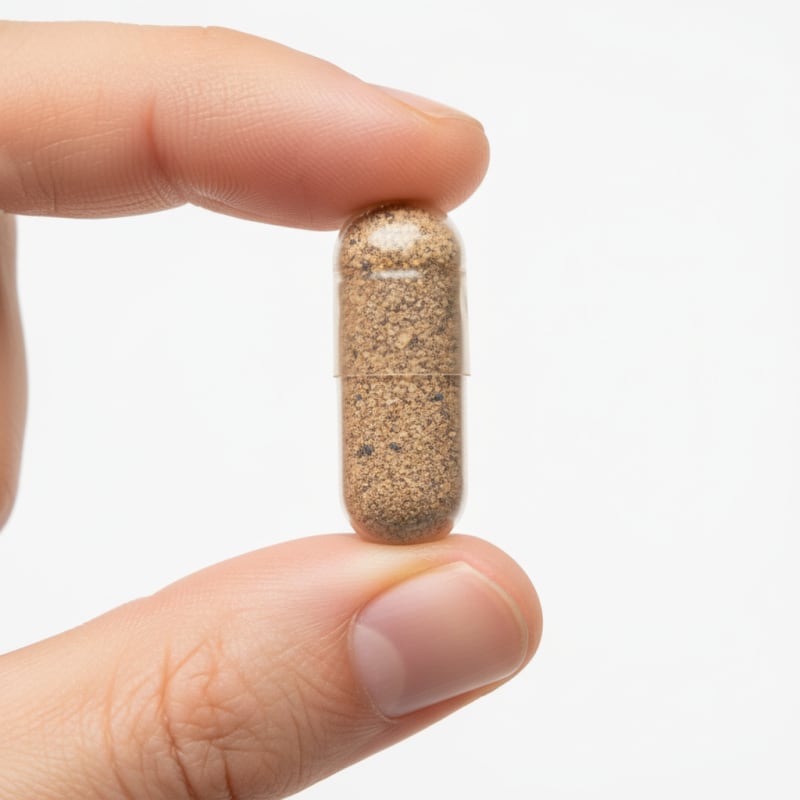
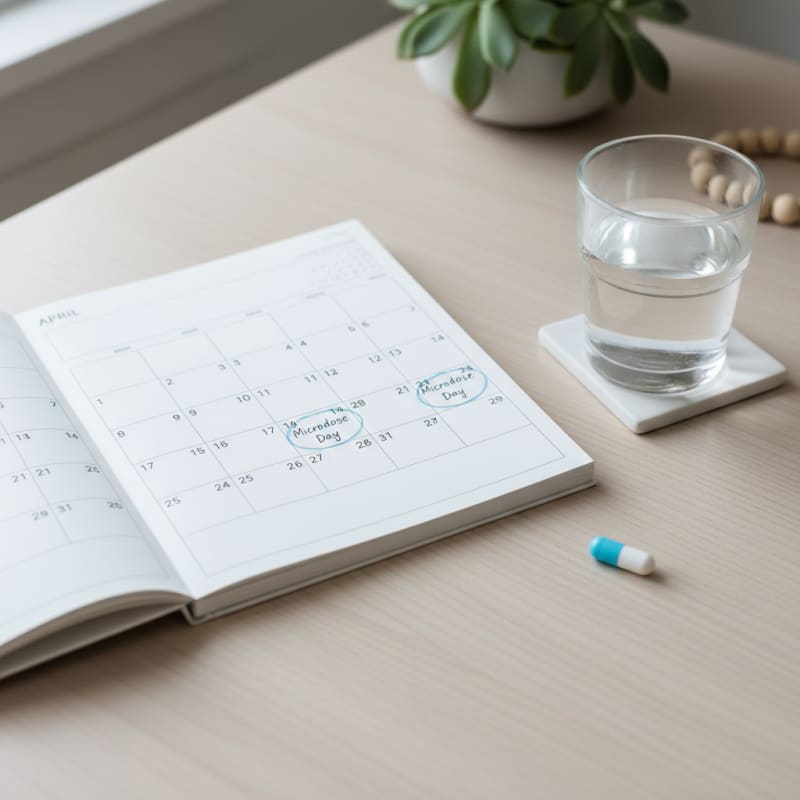
Microdosing psilocybin is no longer a fringe practice confined to Silicon Valley biohackers and psychonaut forums. It has evolved into a widespread, mainstream wellness trend adopted by millions. This shift from anecdotal curiosity to a common practice is now being reflected in large-scale data and is finally attracting the attention of clinical researchers. The numbers show that for a significant portion of psilocybin users, microdosing is a primary method of consumption.
A recent study from the RAND Corporation provided a first-of-its-kind look into the prevalence of psychedelic use, discovering that an estimated 10 million U.S. adults microdosed psilocybin in the last year alone. The data reveals that a sub-perceptual dose is not an occasional experiment but a regular part of many users' routines. Understanding this trend is key to appreciating its role in public health, wellness, and the future of psychedelic policy.
Just How Common is Microdosing?
The scale of microdosing has, until recently, been difficult to quantify. The 2026 RAND study, however, puts concrete numbers to the phenomenon. According to its survey data, of the adults who used psilocybin in the past year, approximately two-thirds reported microdosing at least once. This indicates that the majority of people who engage with psilocybin are also exploring its effects at low doses.
Perhaps more revealing is the frequency of use. The study estimated that of the more than 200 million days of psilocybin use reported in the past year, nearly half involved microdosing. This suggests that microdosing accounts for a massive portion of total psilocybin consumption. It is not just a gateway to psychedelic experiences; for many, it *is the experience. This widespread adoption has happened largely outside of clinical guidance, driven by user reports and community knowledge.
Key findings underscore this reality:
- Widespread Use: Psilocybin is the most commonly used psychedelic, with microdosing being a primary method of consumption.
- High Frequency: Microdosing accounts for almost 50% of all psilocybin use-days.
- Mainstream Demographics: The practice is not isolated to a specific subculture but is found across a broad range of the adult population.
Why Has Microdosing Become So Popular?
The popularity of microdosing is directly tied to its reported benefits and its accessibility. Users often turn to it seeking subtle, non-disruptive enhancements to their daily lives rather than a full psychedelic experience. The goal is not to "trip" but to function better. The most commonly cited reasons for starting a microdosing regimen include:
- Mental Health Support: Many users report improvements in mood and reductions in symptoms associated with depression and anxiety.
- Enhanced Creativity: Individuals in creative fields often report that microdosing helps them approach problems from new perspectives and overcome mental blocks.
- Improved Focus & Productivity: Others use it to increase concentration and engagement with their work, similar to a nootropic.
While the bulk of evidence for these benefits of microdosing remains anecdotal, the sheer volume of positive reports has propelled the trend forward. It has created a real-world dataset of user experience that science is only now beginning to explore. Products like the Cognitive Clarity Microdose Capsules are a direct response to this user-led movement, combining psilocybin with other functional ingredients like Lion's Mane and Niacin to support cognitive goals.
Is Clinical Research Finally Catching Up?
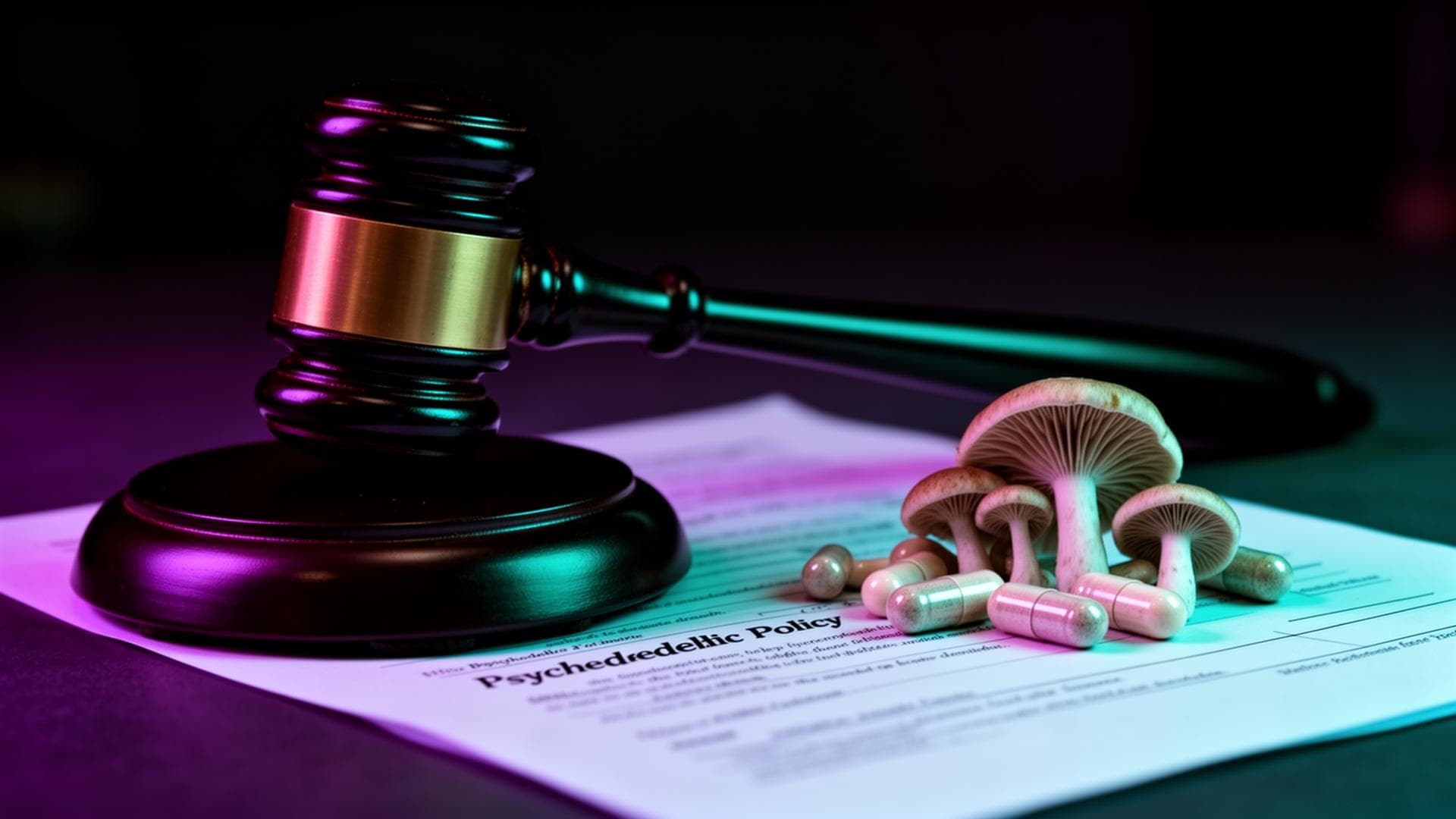
For years, the clinical and regulatory establishments have been slow to investigate microdosing, focusing instead on the therapeutic potential of high-dose, clinician-guided sessions. However, the undeniable scale of public use is shifting that focus. A clear sign of this is the recent announcement of a landmark study by the Kingston Health Sciences Centre Research Institute.
This is the first-ever Health Canada-approved Phase 2a clinical trial to examine the effects of daily, at-home use of micro-dose psilocybin for Generalized Anxiety Disorder (GAD). This is a critical development for several reasons:
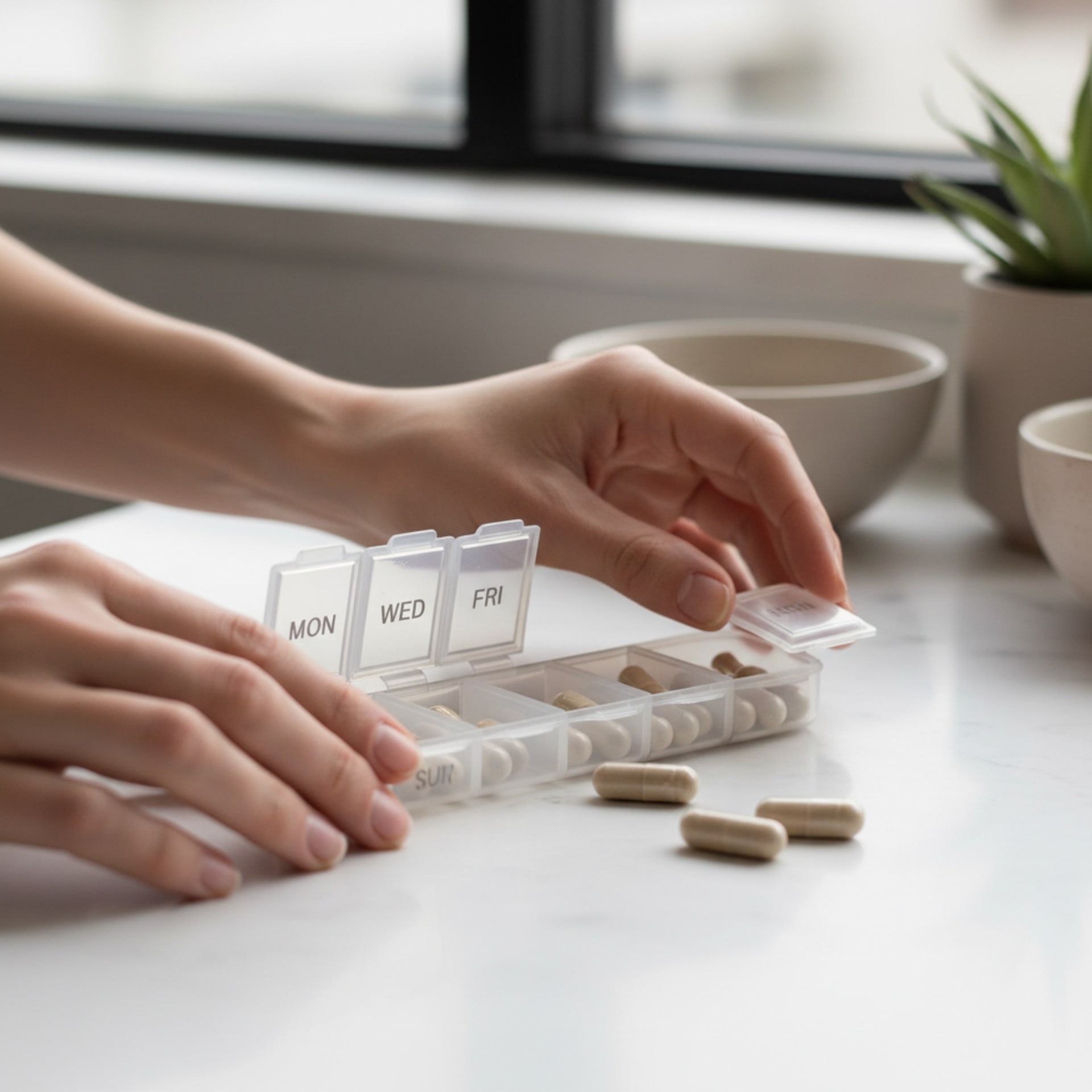
- At-Home Use: The trial’s design acknowledges how people actually microdose—in their own homes, as part of their daily routine.
- Focus on a Specific Condition: By targeting GAD, researchers are seeking to validate one of the most common reasons people microdose: anxiety relief.
- Regulatory Approval: Health Canada’s approval signals a growing institutional willingness to take microdosing seriously as a potential therapeutic modality.
This study, which will enroll up to 60 participants, aims to determine if micro-dosing can safely and effectively reduce anxiety symptoms without hallucinogenic effects. For those looking to precisely manage their intake, our selection of psilocybin capsules are manufactured to provide consistent, verifiable doses. Products like the Precision 100mg Microdose Capsules are designed for just this purpose, allowing users to follow established protocols with confidence in the dose.
The fact that researchers are now conducting placebo-controlled trials on at-home microdosing for anxiety is a direct result of millions of people self-experimenting and reporting positive outcomes. The practice has outpaced the research, and the research is now running to catch up.

ShroomDash Editorial Team
Published 2026-03-01 · 4 min read read · Microdosing