
Microdosing: From Anecdote to Clinical Trial
Quick Summary
Millions of adults now microdose psilocybin, making it a primary method of use. This widespread adoption is causing a shift in science, with new Health Canada-approved clinical trials now studying at-home, daily microdosing to see if it can safely treat anxiety, reflecting how people use it in the real world.

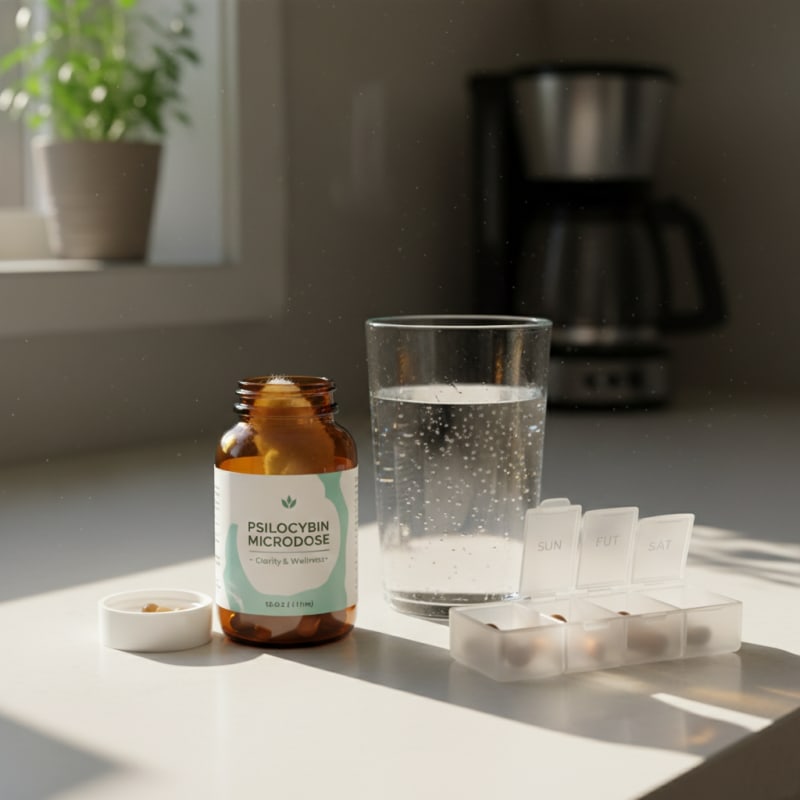
Microdosing psilocybin, the practice of taking sub-perceptual doses of psychedelic compounds, has grown from a niche curiosity into a widespread wellness movement. For years, its adoption has been fueled by anecdotal reports of enhanced creativity, improved mood, and reduced anxiety. While the scientific establishment has been slow to investigate these claims, focusing primarily on high-dose therapeutic sessions, the sheer scale of real-world use is now forcing a change. Recent data reveals that microdosing is not a fringe activity, but a major modality of psychedelic use, and clinical research is finally beginning to adapt its methods to study how people are actually using these substances. The narrative is shifting from dismissal and skepticism to one of validation and exploration, driven by the collective experience of millions of individuals.
How Prevalent Is Microdosing?
For a long time, the actual number of people who microdose has been a matter of speculation. However, emerging data is beginning to paint a clear picture of its prevalence. A landmark 2026 RAND study provided the first comprehensive look, estimating that around 10 million U.S. adults had microdosed in the previous year. The findings indicate that among individuals who used psilocybin, approximately two-thirds reported microdosing at least once. Perhaps most tellingly, microdosing accounted for nearly half of all psilocybin usage days recorded. This suggests that for many, microdosing is not an occasional experiment but a regular, sustained practice. This trend is a significant departure from the historical perception of psychedelic use, which centered almost exclusively on infrequent, high-dose experiences. The data confirms what many in the community have long suspected: microdosing is a primary way that a huge segment of the population engages with psilocybin. The reasons for this are varied, but a common theme is the pursuit of subtle, therapeutic benefits without the disruption of a full psychedelic experience. For those looking to understand the fundamentals, our guide on how to microdose psilocybin offers a practical starting point.
Why Has Formal Research Lagged Behind?
The disconnect between widespread public use and formal scientific validation has several root causes. The slow pace of research is not necessarily due to a lack of interest, but a confluence of regulatory, methodological, and historical factors that have made studying microdosing uniquely challenging.
- Regulatory Barriers: Psilocybin remains a controlled substance in many jurisdictions, which creates significant administrative and financial hurdles for researchers. Gaining approval for any study is a rigorous process, and this has historically steered funding toward more dramatic, high-impact interventions.
- Focus on Macrodosing: Most modern psychedelic research has concentrated on therapist-assisted macrodosing protocols to treat severe conditions like Major Depressive Disorder (MDD) and post-traumatic stress. The profound and easily observable effects of a large dose are more straightforward to measure and analyze in a clinical setting compared to the subtle shifts reported from microdosing.
- The Placebo Problem: The sub-perceptual nature of a true microdose makes it exceptionally difficult to study in a double-blind, placebo-controlled trial—the gold standard of clinical research. If a dose is truly sub-perceptual, the participant should not be able to tell if they received the active substance or a placebo. Yet, many anecdotal reports form a strong "expectancy effect," which can be difficult to distinguish from a true pharmacological outcome.
This chasm between structured research and grassroots application is explored in more detail in our article on clinical research vs. real-world use, but surging public interest is now creating pressure to overcome these obstacles.
How Are Clinical Trials Adapting to Real-World Use?
The most exciting development in the microdosing space is the pivot in clinical trial design to better reflect how it is practiced in the real world. Researchers are moving away from purely theoretical models and beginning to study established user behaviors. A key example is the new Health Canada-approved Phase 2a clinical trial led by the Kingston Health Sciences Centre Research Institute. This study is notable for its innovative, real-world approach.
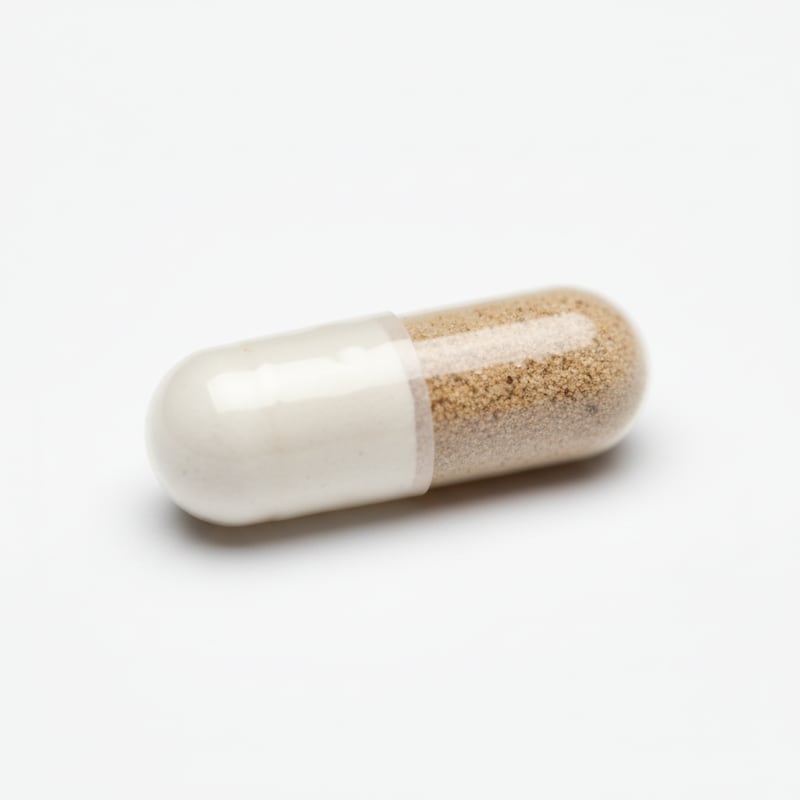
Instead of requiring participants to visit a clinic, the trial is designed to study the effects of daily, at-home microdosing for individuals with Generalized Anxiety Disorder (GAD). This design acknowledges that the potential therapeutic value of microdosing may lie in its integration into a daily routine, much like any other supplement or medication. By studying at-home use, researchers can gather data that is more representative of the actual user experience. Products like our Focus 100mg Microdose Capsules are manufactured with this exact type of application in mind, providing the dosing precision necessary for a consistent daily regimen. The study aims to determine if psilocybin can safely and effectively reduce anxiety symptoms without inducing psychedelic effects, directly testing the primary claim made by millions of users. You can explore a variety of precisely dosed products in our capsules category.
The launch of government-approved trials focused on at-home, low-dose regimens marks a critical turning point. It signals a willingness from the scientific and medical communities to investigate psilocybin not just as a powerful, acute intervention but as a potential tool for ongoing mental wellness and symptom management.
This evolution in research methodology, from rigid lab settings to the complexities of daily life, demonstrates a direct response to the powerful current of public interest and self-experimentation. The grassroots movement has, in effect, conducted its own informal, large-scale study over the past decade, and the formal scientific community is now beginning to analyze the results.

ShroomDash Editorial Team
Published 2026-02-28 · 4 min read read · Microdosing