
The Psilocybin Narrative vs. The Numbers
Quick Summary
Most news about psilocybin is about large, medically-supervised doses for therapy. However, a new study shows that millions of adults are actually taking very small doses, called microdoses, on a regular basis for wellness. This means the most common way people use psilocybin is very different from what is being researched.


The public conversation around psilocybin is largely shaped by headlines from prestigious research institutions. Studies from places like the Johns Hopkins Center for Psychedelic and Consciousness Research detail the potential of high, clinically-administered doses to treat severe conditions like depression, addiction, and end-of-life anxiety. This narrative paints a picture of psilocybin as a powerful therapeutic agent, used infrequently and under strict medical supervision.
However, a groundbreaking 2026 study from the RAND Corporation reveals a starkly different reality of how psilocybin is being used. The data suggests that for every person undergoing a high-dose therapeutic session, there are thousands of others engaging with psilocybin in a completely different manner. This report quantifies for the first time the sheer scale of microdosing, a practice that exists almost entirely outside the clinical framework.
What Does Psilocybin Use Look Like in the Real World?
The RAND study, a first-of-its-kind survey of psychedelic use among U.S. adults, found that psilocybin is the most commonly used psychedelic, with an estimated 11 million adults having used it in the past year. The most striking finding, however, relates to the *way it's being used. The research uncovered a massive, mainstream pattern of low-dose consumption.
Key findings from the report include:
- Among adults who used psilocybin in the past year, approximately two-thirds reported microdosing at least once.
- Of the more than 200 million days of psilocybin use reported, nearly half involved microdosing.
This data reframes the entire landscape of psilocybin use. It suggests that the dominant behaviour is not the dramatic, life-altering "trip" but a consistent, sub-perceptual routine. People are integrating tiny amounts of psilocybin into their lives for reasons related to general wellness, focus, and mood regulation, a pattern more akin to taking a daily supplement than undergoing a major medical procedure. This quiet, widespread practice, as detailed in posts like Millions Microdosing: A Silent Shift in Wellness, stands in direct contrast to the high-stakes world of clinical trials.
Why is High-Dose Therapy the Focus of Research?
Given the prevalence of microdosing, the intense focus of scientific research on high-dose therapy can seem misplaced. The reasons for this are largely methodological and structural. Science requires measurable outcomes, and the profound psychological experiences induced by high doses of psilocybin are far easier to quantify in a traditional clinical trial setting than the subtle, cumulative effects of microdosing.
A high dose can produce a clear "before and after" state. Researchers can measure reductions in depression scores or track abstinence from smoking following a single, powerful intervention. Microdosing, with its gentle and subjective effects on things like creativity or mood, is notoriously difficult to study under classic placebo-controlled conditions. This difficulty has led to a research landscape where the most dramatic, clinically-relevant applications receive the vast majority of attention and funding.
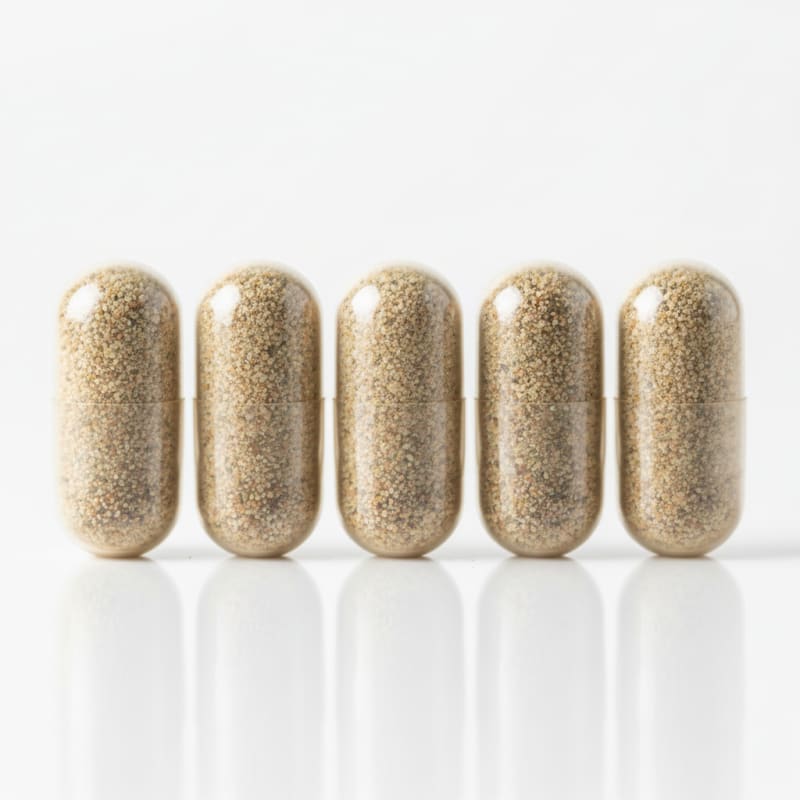
This has tangible consequences for users. The products most suitable for consistent, low-dose regimens have been developed not by pharmaceutical companies, but by grassroots demand. Products like precisely measured microdose capsules are a direct response to the needs of the real-world user, who requires reliability and control for sub-perceptual dosing. For those seeking this level of precision, our Focus Microdose Capsules are formulated for consistency, taking the guesswork out of a daily regimen.
How Does This Disconnect Affect the User?
The gap between the clinical narrative and real-world use creates a significant information vacuum. Most officially sanctioned safety protocols and harm reduction advice are built around the high-dose experience. They emphasize the importance of "set and setting," having a sober sitter, and preparing for a profound psychological journey. While crucial for high-dose use, this advice is not directly applicable to the person taking a sub-perceptual dose before heading to the office.
The millions of people who microdose are largely navigating this territory on their own, relying on community forums and shared user experience rather than clinical guidelines. They seek out products that offer consistency and convenience, something the clinical model isn't designed to provide. This user-led demand has driven the innovation of formats like precisely scored chocolate bars and single-dose gummies, which allow for manageable and predictable consumption.
This demand for reliable formats is why many users prefer edibles. For example, a product like our Mindful Mushroom Chocolate Bar is scored into predictable squares, allowing a user to choose a dose that aligns with their specific needs, whether that's a sub-perceptual microdose or a slightly larger, yet still controlled, amount. You can explore a variety of these formats in our capsules category.
The data is clear: while institutions focus on the potential of psilocybin to treat the acutely ill in controlled settings, the general population is already using it on a massive scale as a tool for wellness and personal enhancement. This divergence shows that the story of psilocybin is being written not just in the lab, but in the daily routines of millions of people.

ShroomDash Editorial Team
Published 2026-04-08 · 4 min read read · Lab Science