
The Great Divide: Research vs. Real-World Psilocybin Use
Quick Summary
Clinical research on psilocybin almost exclusively studies high, therapeutic doses to treat specific medical conditions in controlled settings. This contrasts sharply with real-world usage, where the vast majority of people take small, sub-perceptual microdoses for general wellness, creativity, and focus. This disconnect is due to regulatory priorities and the methodological challenges of studying subtle effects.
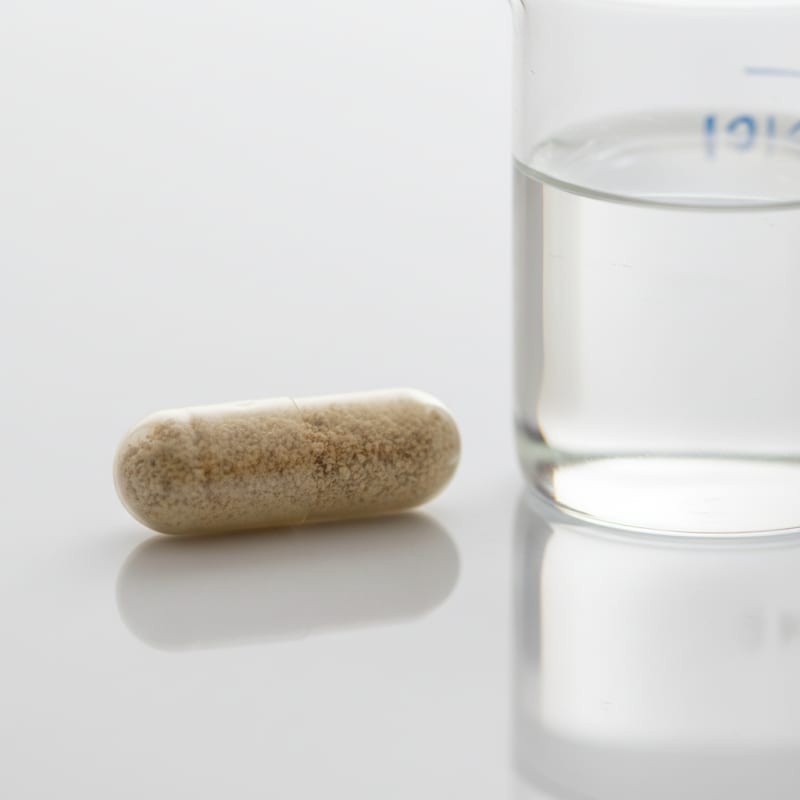


The conversation around psilocybin is split into two parallel universes. In one, there is the world of clinical research—a slow, methodical, and highly regulated environment. This is the world of institutions like Johns Hopkins, where scientists in lab coats study psilocybin’s effects on specific, diagnosed conditions under strict protocols. In the other universe, there is the real world. Here, millions of people are actively using psilocybin, particularly through microdosing, for a wide array of personal and wellness goals. These two worlds rarely intersect, creating a significant disconnect between the scientific narrative and lived experience.
This divergence isn’t accidental; it’s a product of differing goals, regulations, and methodologies. Clinical research prioritizes a high degree of control to achieve regulatory approval, while real-world use prioritizes accessibility, flexibility, and a broad range of applications. Understanding the differences between these two domains is key to interpreting the headlines and making informed decisions.
What Does Clinical Psilocybin Research Focus On?
Clinical research is designed with a singular, primary objective: to gain approval from regulatory bodies like Health Canada or the FDA for psilocybin as a medical treatment. This goal dictates the entire structure of the research.
Key characteristics of clinical trials include:
- High-Dose Protocols: Nearly all major clinical trials investigate the effects of a single, large dose (typically 25mg or more) in a therapeutic setting. This is because high-dose experiences can produce dramatic, measurable changes in conditions like major depressive disorder or end-of-life anxiety. The stark contrast between a high dose and a placebo makes the effects easier to quantify. For a deeper dive into the different dosing philosophies, see our guide on macrodosing vs. microdosing.
- Specific, Diagnosed Conditions: Participants are recruited based on having a specific, clinically diagnosed mental health condition, such as treatment-resistant depression, PTSD, or substance use disorder.
- Controlled "Set and Setting": The experience takes place in a controlled, clinical environment. Patients are guided by trained therapists, listen to a curated music playlist, and are monitored for the entire session. The "set and setting" are standardized to ensure the results are replicable.
- Narrow Endpoints: Success is measured against specific clinical benchmarks, like a reduction in symptoms on the Hamilton Depression Rating Scale (HAM-D). The focus is on symptom reduction for a diagnosable illness, not general well-being or enhancement.
The result is a very specific type of data that demonstrates how psilocybin-assisted therapy can function in a medical model. It does not, however, shed much light on how people use it for other purposes.
How Does Real-World Use Differ?
In contrast to the narrow focus of clinical trials, real-world psilocybin use is incredibly diverse. The most significant trend, by far, is microdosing—the practice of taking sub-perceptual doses to enhance cognitive function, creativity, or mood without a full psychedelic experience.
The primary differences are:
- Microdosing Dominance: Data from surveys and sales indicate that the vast majority of psilocybin use outside of clinical trials is microdosing. Users are not seeking a mystical experience but rather subtle, ongoing benefits.
- Wellness and Enhancement Goals: People microdose for a huge range of reasons, including improved focus at work, greater emotional regulation, reduced anxiety, and creative problem-solving. These are generally "wellness" or "enhancement" goals rather than treatments for a diagnosed illness.
- Precision and Consistency: For microdosing to be effective, consistency is key. Real-world users rely on products that offer precise, repeatable doses. This is why precisely dosed edibles are popular, as they remove the guesswork involved with raw mushrooms. For those prioritizing consistency, our Golden Teacher 50mg Microdose Capsules provide a reliable foundation for any microdosing schedule.
- Self-Directed Protocols: Users determine their own schedules (e.g., one day on, two days off) and dosages based on personal experimentation and desired outcomes. This self-directed approach allows for a high degree of personalization that is impossible in a rigid clinical trial. Finding a reliable format is the first step, and many users prefer the convenience of psilocybin capsules or gummies.
Why Does This Research Gap Exist?
The disconnect between the lab and real life is not due to a lack of interest from scientists. Instead, it stems from systemic and methodological barriers.
First, the regulatory pathway for studying wellness or enhancement is unclear. Medical research is structured to approve drugs for diseases. There is no formal process for approving a substance for "making healthy people feel better." This pushes research funding and effort towards high-dose therapy for diagnosed conditions, where the path to approval is established.
Second, microdosing presents significant methodological challenges. The effects are, by definition, subtle. This makes it incredibly difficult to design a study with a proper placebo control. If a participant can’t tell whether they took the microdose or the placebo, how can researchers reliably measure its unique effects against the powerful force of expectation? Some studies have shown that the anecdotal benefits of microdosing are hard to distinguish from the placebo effect, though this remains a subject of intense debate.
Finally, the goals are simply different. A pharmaceutical company needs a patentable drug and a billable treatment. A real-world user wants an accessible tool for personal growth. Our Clarity 50mg Microdose Capsules (Golden Teacher) are formulated for this exact purpose, combining a gentle dose of psilocybin with Lion's Mane and other cognitive-enhancing ingredients for daily use.
These two worlds—clinical research and real-world wellness—are evolving on parallel tracks. While clinical data provides crucial validation for psilocybin's therapeutic potential in a medical context, it doesn’t reflect the primary way it is currently being used by millions. The patterns of real-world use are instead creating a massive, informal dataset that points toward a different application entirely: psilocybin as a tool for proactive mental wellness and human enhancement.

ShroomDash Editorial Team
Published 2026-04-03 · 4 min read read · Lab Science