
Clinical vs. Wellness: Two Psilocybin Worlds
Quick Summary
There are two main ways people use psilocybin: high-dose, medically supervised therapy for serious conditions, and low-dose, self-directed microdosing for general well-being. These two models have different goals and risks, and it's important not to confuse them.

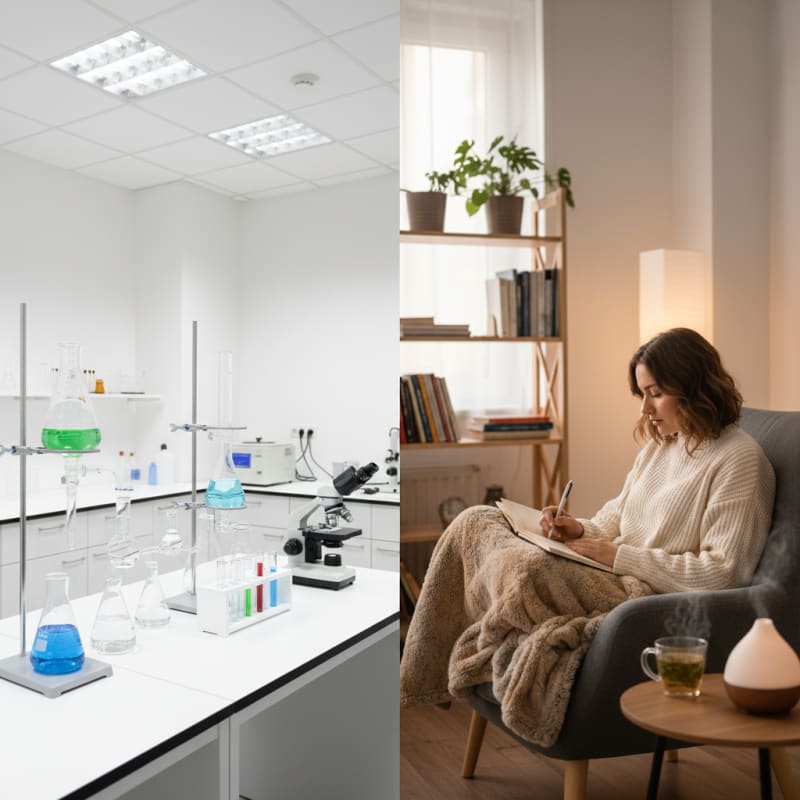

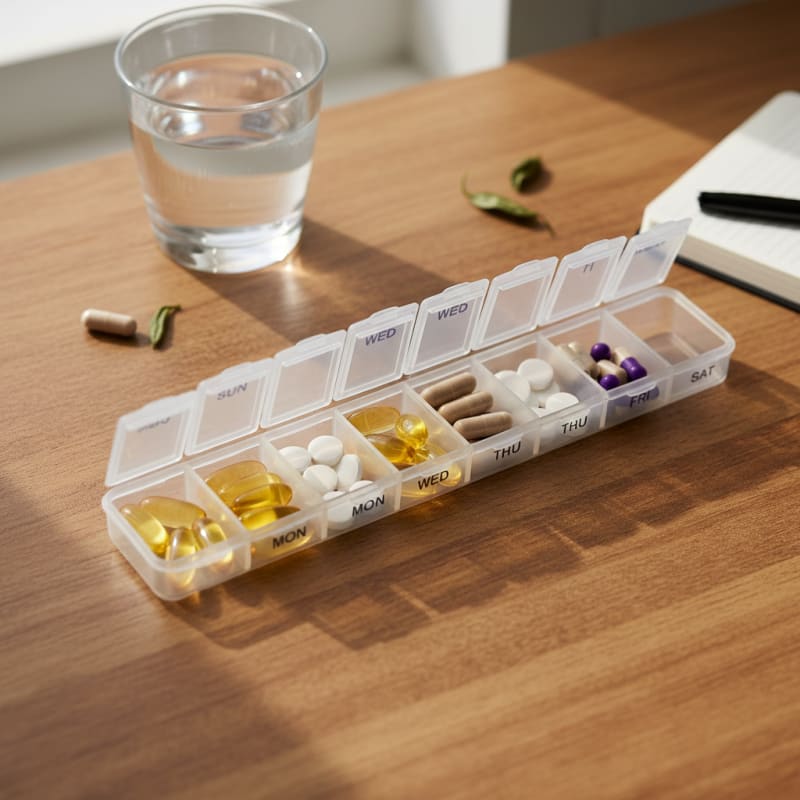
Recent data from a 2026 RAND study has brought a fascinating reality into sharp focus: an estimated 10 million U.S. adults are microdosing psychedelics. For psilocybin specifically, nearly half of all usage days involved a microdose. This widespread, self-directed wellness practice stands in stark contrast to the other prominent face of modern psilocybin: the high-dose, medically supervised clinical trial, such as those conducted at the Johns Hopkins Center for Psychedelic and Consciousness Research.
These are not competing realities but parallel worlds. One involves rigorous, high-dose therapeutic interventions for severe health conditions. The other is a grassroots wellness movement focused on sub-perceptual doses for general life enhancement. Understanding the distinction between the clinical model and the wellness model is crucial for navigating the evolving landscape of psilocybin.
What Does Clinical Psilocybin Research Actually Study?
When institutions like Johns Hopkins or other research centers study psilocybin, they operate within a very specific and controlled framework. This clinical model is characterized by several key features:
- High Doses: The primary focus is on macrodoses, which are large enough to induce a powerful, altered state of consciousness. The goal is a profound psychedelic experience, which researchers theorize can create a neurological and psychological reset.
- Therapeutic Intent: This research isn’t about general wellness; it’s about treating specific, often severe, psychiatric and behavioral disorders. Target conditions include major depressive disorder, post-traumatic stress disorder (PTSD), end-of-life anxiety, and substance addiction.
- Controlled Setting: Sessions are conducted in a carefully controlled clinical or lab environment. This includes creating a safe, comfortable space and having trained medical and psychological professionals present at all times to guide and support the patient.
- Integrated Therapy: The psilocybin session is just one part of a larger therapeutic arc. It is almost always paired with extensive psychotherapy sessions before and after the dosing day—a practice known as psilocybin-assisted therapy.
The safety protocols, risk assessments, and reported outcomes from these studies are all based on this high-dose, medically supervised model. The potential for intense psychological distress, for example, is a known risk of a powerful psychedelic experience, and the clinical setting is designed to mitigate it.
How Does Real-World Wellness Use Differ?
The wellness model, as practiced by millions, operates on a completely different set of principles. It is the world of microdosing, defined by the RAND study as "taking a fraction of a regular dose that’s much lower than what you take if you were intending to trip or hallucinate."
This approach is defined by:
- Sub-Perceptual Doses: The core principle is the use of a very small amount of psilocybin, typically 1/10th to 1/20th of a recreational dose. The intent is not to produce an altered state of consciousness but to achieve subtle, cumulative benefits.
- Wellness Goals: Users are not typically seeking treatment for a severe clinical disorder. Instead, they report a wide range of wellness-oriented goals: enhanced creativity, improved focus, better mood, greater patience, and a general sense of well-being. This aligns with what many learn about through exploring different dosing schedules.
- Self-Directed Use: This practice is integrated into daily life—at home, at work, or as part of a routine. It is self-administered without medical supervision. Products like Clarity Microdose Capsules are designed specifically for this wellness model, offering precise, low doses for consistent use, easily found in our capsules shop.
This form of use accounts for the vast majority of psilocybin consumption. It is a quiet, ongoing experiment in human optimization and well-being, pursued by a significant segment of the population.
Why Is The Distinction Important?
Confusion and unwarranted alarm often arise when these two distinct models are conflated. News headlines and opinion pieces may warn of the "dangers" of psychedelics, citing risks associated with high-dose clinical use, and incorrectly apply them to the practice of microdosing. The psychological risks of a poorly managed 5-gram mushroom trip are entirely different from the considerations of a 100-milligram microdosing protocol.
Conversely, a person microdosing for creative enhancement should not expect the kind of life-altering mystical experience that participants in high-dose addiction studies report. The goals, mechanisms, and outcomes are fundamentally different. For those exploring doses beyond the sub-perceptual, edibles like our Voyager Dark Chocolate Bar allow for clear, flexible dosing, from a creative boost to a more intentional experience, which can be found in our chocolate shop.
Separating these two worlds allows for a more nuanced and accurate conversation. The clinical model offers a powerful, targeted tool for medicine, requiring intensive professional oversight. The wellness model represents a widespread, low-risk approach to personal development and well-being that is already a part of modern life for millions.
Both paths demonstrate the versatile potential of psilocybin. As scientific understanding grows alongside real-world application, acknowledging the difference between these two contexts is fundamental to responsible use, informed policy, and a clear public understanding.

ShroomDash Editorial Team
Published 2026-04-09 · 4 min read read · Lab Science